


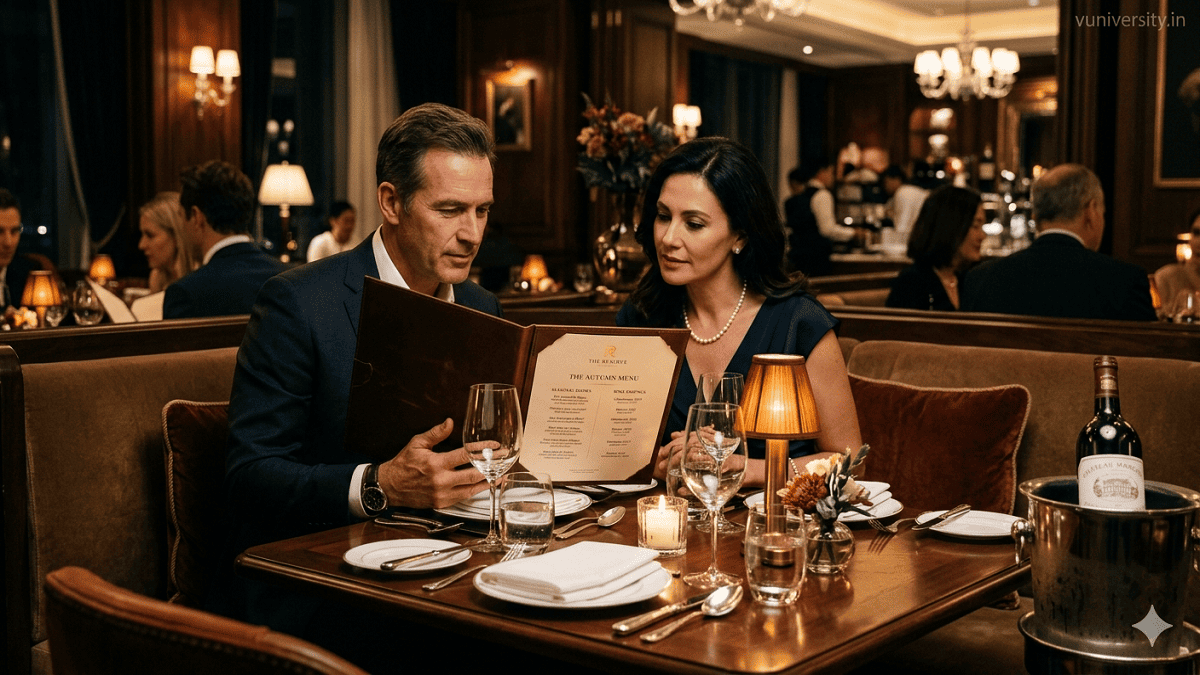
Study of Menus for various types of quality food outlets
Menus in quality food outlets are carefully designed to balance customer expectations, operational efficiency, and brand identity. Each type of outlet—fine dining, casual dining, quick service, cafés, Study of Menus and institutional catering—adopts distinct menu strategies to reflect its service style, target audience, and culinary philosophy.
Importance of Menu Study
Menus are more than lists of dishes; Study of Menus they are strategic tools that influence customer choices, Study of Menus revenue generation, and kitchen workflow. A well-structured menu:
- Defines the culinary identity of the outlet.
- Aligns with customer demographics and preferences.
- Ensures operational feasibility by considering portion sizes, cooking methods, and storage needs.
- Supports profitability through menu engineering and pricing strategies.
Types of Menus in Food Outlets
| Outlet Type | Menu Characteristics | Key Considerations |
|---|---|---|
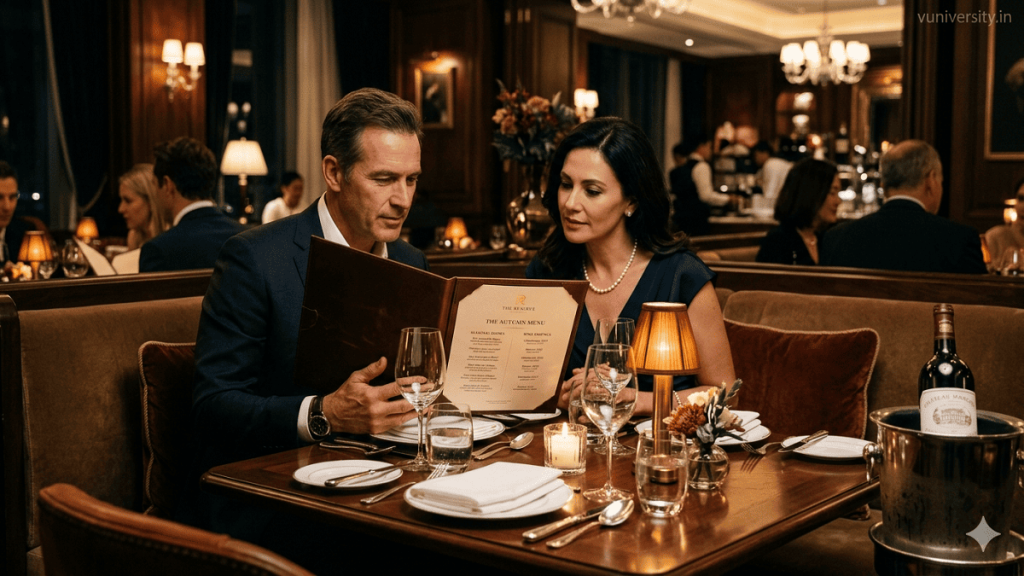
| Fine Dining | Multi-course, à la carte, seasonal menus | Focus on premium ingredients, wine pairing, and presentation |
| Casual Dining | Broad à la carte, family-style options | Balance affordability with variety; emphasize comfort foods |
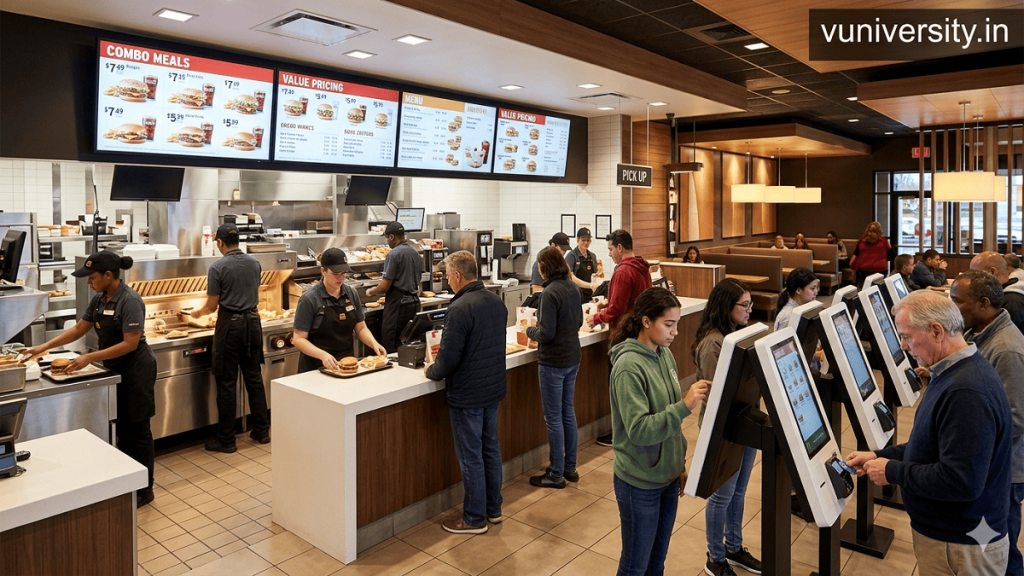
| Quick Service | Limited, standardized menus | Speed, consistency, and cost control; combo meals and value pricing |
| Cafés | Beverage-focused with light meals | Highlight specialty coffees, teas, and snacks; flexible for trends |
| Institutional Catering | Cyclical menus with nutritional focus | Designed for schools, hospitals, or corporate canteens; emphasize dietary requirements |
Factors Influencing Menu Design
- Customer Profile: Age, income, cultural background, and dietary needs.
- Operational Capacity: Kitchen layout, equipment, Study of Menus and staff expertise.
- Nutritional Quality: Increasingly important in institutional and health-focused outlets. Research shows that menu environments significantly affect public health outcomes.
- Cultural and Regional Influences: Local cuisines and traditions shape menu offerings.
- Menu Engineering: Strategic placement of high-margin items to maximize profitability.
Risks and Challenges
- Overcomplicated Menus: Can slow service and confuse customers.
- Ignoring Trends: Failure to adapt to plant-based, sustainable, or health-conscious demands may reduce competitiveness.
- Operational Misalignment: Menus that exceed kitchen capacity lead to inefficiency Study of Menus and poor customer experience.
Conclusion
Studying menus across different food outlets highlights how design choices directly impact customer satisfaction, operational success, and profitability. Fine dining emphasizes exclusivity and artistry, while quick service focuses on speed and consistency. Cafés thrive on trend-driven flexibility, Study of Menus and institutional catering prioritizes nutrition and efficiency. For professionals in hospitality and foodservice, understanding these distinctions is essential to creating menus that resonate with customers and sustain business growth.
#HospitalityIndustry
What is a menu in a food outlet?
A menu in a food outlet is a structured presentation of food and beverage options offered to customers. It serves as both a marketing tool and an operational guide, shaping the dining experience while ensuring smooth coordination between the kitchen and service staff.
Definition and Role
A menu is essentially the blueprint of a food outlet’s offerings. It communicates the culinary identity of the establishment, highlights its specialties, and guides customers in making choices. Beyond listing dishes, menus often include descriptions, portion sizes, pricing, Study of Menus and sometimes nutritional information.
Menus are critical because they:
- Influence customer perception by reflecting the outlet’s style (fine dining, casual, quick service, café, or institutional).
- Support operational efficiency by aligning kitchen workflow with customer demand.
- Drive profitability through strategic design and pricing, often referred to as menu engineering.
Types of Menus
Different outlets adopt menu formats suited to their service style:
- À la carte: Individual dishes priced separately, common in fine dining.
- Table d’hôte: Fixed-price meals with limited choices, often used in banquets.
- Cycle menus: Rotating menus in institutional catering such as hospitals or schools.
- Specialty menus: Focused on niche items like vegan, Study of Menus gluten-free, or regional cuisines.
Key Functions of a Menu
- Customer Communication: Provides clarity on what is available and sets expectations.
- Brand Identity: Reinforces the outlet’s positioning, whether luxurious, casual, or health-focused.
- Operational Planning: Helps chefs and staff manage inventory, preparation, Study of Menus and service flow.
- Revenue Management: Placement of high-margin items and combo offers can boost profitability.
Industry Perspective
Menus are increasingly digital, interactive, and data-driven. Many outlets now use QR code menus or tablet-based ordering systems, which allow real-time updates and reduce printing costs. Research also shows that menu design—such as item placement and descriptive language—significantly influences customer choices.
For deeper insights, you can explore Food Service News and Hospitality Net, which provide professional perspectives on menu design and its impact on foodservice operations.
#OperationalEfficiency
Why do different food outlets have different types of menus?
Different food outlets adopt different types of menus because each establishment serves a unique purpose, audience, and operational model. The menu is not just a list of dishes—it is a strategic tool that reflects the outlet’s identity, efficiency, Study of Menus and profitability.
Key Reasons for Menu Variation
1. Target Audience
Menus are tailored to customer demographics. Fine dining restaurants design elaborate à la carte menus for guests seeking exclusivity, Study of Menus while quick service outlets focus on standardized, affordable options for fast-moving customers.
2. Service Style
The type of service—table service, self-service, or buffet—dictates menu format. For example, cafés emphasize beverage-focused menus with light snacks, Study of Menus while institutional catering uses cycle menus to ensure variety and nutrition over time.
3. Operational Capacity
Kitchen layout, staff expertise, Study of Menus and equipment influence menu design. A fine dining outlet can manage complex dishes requiring skilled chefs, whereas quick service restaurants rely on simplified menus to maintain speed and consistency.
4. Brand Identity
Menus reinforce the brand’s positioning. A luxury hotel restaurant highlights premium seasonal ingredients, Study of Menus while a health-focused outlet emphasizes calorie counts and dietary options.
5. Profitability Strategies
Menu engineering ensures high-margin items are strategically placed. Quick service outlets often use combo meals to increase average spend, Study of Menus while fine dining menus highlight signature dishes to justify premium pricing.
6. Cultural and Regional Influences
Menus reflect local tastes and traditions. A café in Italy may emphasize espresso-based drinks, Study of Menus while a casual dining outlet in India may highlight regional thalis or street-food-inspired dishes.
Examples Across Outlets
- Fine Dining: Multi-course menus with wine pairings, seasonal specialties, Study of Menus and artistic presentation.
- Casual Dining: Broad à la carte menus offering comfort foods and family-style portions.
- Quick Service: Limited, standardized menus emphasizing speed, consistency, and affordability.
- Cafés: Beverage-centric menus with pastries, sandwiches, and trend-driven items.
- Institutional Catering: Rotating cycle menus designed for nutrition, efficiency, and cost control.
Conclusion
Different food outlets have different types of menus because they must balance customer expectations, operational realities, Study of Menus and business goals. A fine dining restaurant’s menu is designed to impress and elevate, while a quick service outlet’s menu is built for speed and affordability. Cafés thrive on flexibility, Study of Menus and institutional catering prioritizes nutrition and efficiency. Studying these variations reveals how menus act as powerful tools for shaping customer experience and sustaining profitability.
#CustomerExperience
What are the common types of menus used in restaurants and hotels?
In restaurants and hotels, menus are designed to suit the service style, customer expectations, and operational efficiency of the establishment. While the format may vary, Study of Menus several common types of menus are widely used across the hospitality industry.
Common Types of Menus
1. À la Carte Menu
- Each dish is priced individually.
- Offers flexibility and choice for customers.
- Common in fine dining restaurants where guests expect variety and customization.
2. Table d’Hôte Menu
- A fixed-price menu with limited choices.
- Often used in banquets, weddings, or hotel dining packages.
- Streamlines service and ensures consistency.
3. Cycle Menu
- A rotating menu used in institutional catering (schools, hospitals, corporate canteens).
- Ensures variety while maintaining cost control and nutritional balance.
- Typically repeats every 7, 14, or 30 days.
4. Buffet Menu
- Customers serve themselves from a wide selection of dishes.
- Popular in hotels and large events for efficiency and variety.
- Encourages experimentation with multiple cuisines.
5. Specialty Menu
- Focused on niche offerings such as vegan, gluten-free, or regional cuisines.
- Reinforces brand identity and caters to specific dietary preferences.
6. Banquet Menu
- Pre-set menu designed for large gatherings.
- Simplifies planning and ensures smooth service during events.
7. Room Service Menu
- Tailored for in-room dining in hotels.
- Compact, easy-to-prepare dishes that balance convenience and quality.
Why These Menus Matter
Menus in restaurants and hotels are not just lists of dishes—they are strategic tools that:
- Define the outlet’s culinary identity.
- Align with operational capacity and staff expertise.
- Influence customer satisfaction and profitability.
- Adapt to cultural, regional, and dietary trends.
Conclusion
The hospitality industry relies on diverse menu types to meet customer expectations and operational needs. Fine dining emphasizes à la carte sophistication, hotels often use table d’hôte or buffet menus for efficiency, Study of Menus and institutional catering depends on cycle menus for nutrition and cost control. Understanding these menu formats is essential for professionals aiming to balance creativity, customer satisfaction, and profitability.
#CateringSolutions
How does the target customer influence menu design?
The target customer is one of the most decisive factors in menu design because it directly shapes what dishes are offered, how they are presented, and even how they are priced. Restaurants and hotels must align their menus with the expectations, Study of Menus preferences, and spending capacity of their clientele to remain competitive and profitable.
Key Influences of Target Customers on Menu Design
1. Demographics
Age, income level, and lifestyle strongly influence menu choices. For example:
- Younger customers may prefer trendy, fast, and affordable options.
- High-income clientele expect premium ingredients, fine dining experiences, Study of Menus and curated wine lists.
- Families often look for variety, kid-friendly meals, and value-driven combos.
2. Cultural Preferences
Menus reflect the cultural background of the target audience. A hotel in India may highlight regional thalis, Study of Menus while one in Italy emphasizes pasta and espresso. International hotels often balance local specialties with global favorites to cater to diverse guests.
3. Dietary Needs
Health-conscious customers drive demand for low-calorie, Study of Menus vegan, gluten-free, or organic options. Outlets targeting wellness-focused clientele often include nutritional information and emphasize fresh, sustainable ingredients.
4. Spending Behavior
Menus are priced according to what customers are willing to pay. Fine dining outlets design menus with premium pricing and exclusivity, while quick service restaurants focus on affordability and combo deals.
5. Dining Purpose
Menus differ depending on whether customers are dining for leisure, convenience, or necessity.
- Business travelers in hotels expect efficient room service menus.
- Casual diners look for comfort foods and variety.
- Event guests rely on banquet menus that simplify choices and streamline service.
Examples
- Fine Dining: Targeting affluent customers, menus emphasize seasonal ingredients, artistic presentation, and wine pairings.
- Quick Service: Designed for busy, budget-conscious customers, menus highlight speed, consistency, and value meals.
- Institutional Catering: Focused on students or patients, menus prioritize nutrition, balance, and cost control.
Conclusion
The target customer influences menu design at every level—from the type of dishes offered to the language used in descriptions and the pricing strategy. A successful menu is not generic; it is carefully crafted to resonate with the specific audience it serves. By studying customer demographics, cultural preferences, dietary needs, and spending behavior, restaurants and hotels can create menus that enhance satisfaction, build loyalty, and drive profitability.
#RestaurantStrategy
Why is menu analysis important for food service operations?
Menu analysis is a critical process in food service operations because it directly impacts customer satisfaction, operational efficiency, and profitability. By systematically evaluating menu items, managers and chefs can make informed decisions about what to keep, modify, Study of Menus or remove, ensuring the menu remains aligned with both customer demand and business goals.
Why Menu Analysis Matters
1. Customer Preferences
Menu analysis helps identify which dishes are most popular and which are underperforming. This ensures the outlet focuses on items that resonate with its target audience, Study of Menus improving customer satisfaction and loyalty.
2. Profitability
Not all popular dishes are profitable. Menu analysis highlights high-margin items and low-margin ones, enabling managers to adjust pricing, portion sizes, Study of Menus or ingredient sourcing to maximize revenue.
3. Operational Efficiency
By studying menu performance, Study of Menus outlets can streamline kitchen operations. Removing complex, low-demand dishes reduces preparation time, minimizes waste, and improves service speed.
4. Inventory Management
Menu analysis ensures that ingredients are used efficiently. Items that require rare or costly ingredients but sell poorly can be eliminated, Study of Menus reducing storage issues and food waste.
5. Strategic Positioning
Menus reflect brand identity. Analysis helps maintain consistency with the outlet’s positioning—whether fine dining, casual, quick service, or institutional catering—while adapting to evolving trends such as plant-based diets or sustainable sourcing.
Tools and Techniques
- Menu Engineering Matrix: Classifies items as Stars (high profit, high popularity), Plowhorses (low profit, high popularity), Puzzles (high profit, low popularity), and Dogs (low profit, Study of Menus low popularity).
- Sales Mix Analysis: Evaluates the proportion of each item sold relative to total sales.
- Contribution Margin Analysis: Examines profitability per dish to guide pricing strategies.
Conclusion
Menu analysis is essential for food service operations because it bridges the gap between customer expectations and business objectives. It ensures that menus remain dynamic, profitable, and operationally feasible. By continuously evaluating performance, restaurants and hotels can refine their offerings, reduce waste, and strengthen their competitive edge.
#MenuEngineering
Case Study of Study of Menus for various types of quality food outlets
Introduction
Menus are the backbone of food service operations, shaping customer experience and influencing profitability. This case study explores how different types of quality food outlets—fine dining restaurants, casual dining establishments, quick service outlets, cafés, and institutional catering—design and adapt their menus to meet customer expectations and operational needs.
Fine Dining Restaurant
A luxury fine dining outlet in Mumbai redesigned its à la carte menu to emphasize seasonal ingredients and wine pairings. The menu was streamlined from 60 items to 40, focusing on premium dishes with higher margins. The result was a 20% increase in average check value and improved customer satisfaction, as guests appreciated the curated experience.
Casual Dining Establishment
A mid-sized casual dining chain introduced a family-style menu with shared platters and combo deals. This change targeted families and groups, reducing individual ordering time and increasing table turnover. Sales data showed a 15% rise in weekend revenue, with positive feedback highlighting the menu’s affordability and variety.
Quick Service Outlet
A fast-food outlet in Pune conducted menu engineering to analyze item profitability. Low-margin items were removed, and combo meals were promoted. The simplified menu reduced service time by 30 seconds per order and boosted monthly sales by 12%. Customers valued the clarity and speed of the new design.
Café
A specialty café in Bengaluru introduced a beverage-focused menu highlighting artisanal coffees and plant-based snacks. Seasonal specials such as cold brews and vegan desserts attracted younger, health-conscious customers. Within three months, beverage sales grew by 25%, and the café strengthened its brand identity as a trend-driven outlet.
Institutional Catering
A hospital catering service adopted a cycle menu to ensure nutritional balance and variety for patients. The menu rotated every 14 days, incorporating dietary restrictions such as low-sodium and diabetic-friendly options. This approach reduced food waste by 18% and improved patient satisfaction scores related to meal quality.
Lessons Learned
- Target audience dictates menu design, from premium exclusivity in fine dining to affordability in casual dining.
- Operational efficiency improves when menus are streamlined and aligned with kitchen capacity.
- Profitability is enhanced through menu engineering and strategic placement of high-margin items.
- Brand identity is reinforced by specialty menus that cater to niche markets.
Conclusion
This case study demonstrates that menu design is not a one-size-fits-all approach. Each type of food outlet must tailor its menu to customer expectations, operational realities, and business goals. By analyzing and adapting menus, outlets can achieve measurable improvements in efficiency, profitability, and customer satisfaction.
#HospitalityManagement
White Paper on Study of Menus for various types of quality food outlets
Executive Summary
Menus are the strategic foundation of food service operations, influencing customer satisfaction, operational efficiency, and profitability. This white paper examines how different types of quality food outlets—fine dining restaurants, casual dining establishments, quick service outlets, cafés, and institutional catering—design and adapt their menus. It highlights best practices, challenges, and industry applications, offering insights for hospitality professionals seeking to optimize menu design.
Introduction
A menu is more than a list of dishes; it is a business tool that defines the identity of a food outlet. Effective menu design requires balancing customer expectations, operational capacity, and financial objectives. The study of menus across diverse outlets reveals how strategic choices in format, content, and pricing shape both customer experience and business outcomes.
Menu Types Across Food Outlets
| Outlet Type | Menu Format | Strategic Focus |
|---|---|---|
| Fine Dining | À la carte, seasonal tasting menus | Exclusivity, premium pricing, curated experiences |
| Casual Dining | Broad à la carte, family-style | Variety, affordability, comfort foods |
| Quick Service | Standardized, limited menus | Speed, consistency, cost control |
| Cafés | Beverage-focused with light meals | Trend-driven flexibility, niche branding |
| Institutional Catering | Cycle menus | Nutrition, efficiency, cost management |
Key Factors Influencing Menu Design
- Target Customer: Demographics, cultural preferences, and dietary needs shape menu offerings.
- Operational Capacity: Kitchen layout, staff expertise, and equipment determine feasibility.
- Profitability: Menu engineering ensures high-margin items are promoted strategically.
- Brand Identity: Menus reinforce positioning, whether luxury, casual, or health-focused.
- Cultural Influence: Regional cuisines and traditions drive menu diversity.
Case Insights
- Fine Dining: Seasonal tasting menus increased average check values by 20% in a Mumbai restaurant.
- Casual Dining: Family-style platters boosted weekend revenue by 15% in a mid-sized chain.
- Quick Service: Simplified menus reduced service time and improved monthly sales by 12%.
- Cafés: Beverage-focused menus attracted younger demographics, increasing sales by 25%.
- Institutional Catering: Cycle menus reduced food waste by 18% and improved patient satisfaction in hospitals.
Challenges in Menu Design
- Overcomplicated menus can slow service and confuse customers.
- Ignoring dietary trends (vegan, gluten-free, sustainable) risks losing market relevance.
- Misalignment between menu design and kitchen capacity leads to inefficiency.
Conclusion
Menu design is a strategic discipline that varies across food outlets but consistently influences customer satisfaction, operational success, and profitability. Fine dining emphasizes exclusivity, casual dining balances variety and affordability, quick service prioritizes speed, cafés thrive on trend-driven flexibility, and institutional catering focuses on nutrition and efficiency. Continuous menu analysis and adaptation are essential for sustaining competitiveness in the hospitality industry.
References
- Hospitality Net – Menu Design Resources
- Food Service News – Industry Perspectives
- Serious Eats – Culinary Techniques
#FoodServiceOperations
Industry Application of Study of Menus for various types of quality food outlets
Introduction
Menus are not only culinary guides but also strategic instruments that shape customer experience, operational efficiency, and profitability. Their design and application vary across industries, reflecting unique customer needs, service styles, and business objectives. Studying menus across different outlets provides insights into how food service operations adapt to diverse contexts.
Applications Across Industries
1. Hospitality Industry
Hotels and resorts use a mix of à la carte, buffet, and room service menus. These formats cater to varied customer segments—from luxury fine dining guests to business travelers seeking convenience. Menus emphasize premium ingredients, seasonal specials, and international cuisines to reinforce brand identity and attract global clientele.
2. Healthcare Facilities
Hospitals and clinics rely on cycle menus to ensure nutritional balance and accommodate dietary restrictions. Menus are designed with input from dietitians, focusing on low-sodium, diabetic-friendly, and allergen-free options. This approach improves patient satisfaction and supports recovery by aligning meals with medical needs.
3. Educational Institutions
Schools and universities adopt institutional catering menus that balance cost efficiency with nutrition. Cycle menus ensure variety while meeting dietary guidelines for children and young adults. Increasingly, institutions integrate sustainable and locally sourced ingredients to align with health and environmental goals.
4. Corporate Catering
Corporate canteens design menus to support productivity and employee well-being. Balanced meals, quick-service options, and themed menus (e.g., wellness weeks) are common. Menus emphasize affordability, efficiency, and variety, often incorporating global cuisines to cater to diverse workforces.
5. Restaurants and Cafés
Menus in restaurants and cafés reflect brand positioning. Fine dining emphasizes exclusivity and artistry, casual dining focuses on affordability and comfort, quick service highlights speed and consistency, and cafés thrive on beverage-centric, trend-driven flexibility. Each format aligns with customer expectations and operational capacity.
Strategic Benefits
- Customer Satisfaction: Menus tailored to demographics and preferences enhance loyalty.
- Operational Efficiency: Streamlined menus reduce preparation time and food waste.
- Profitability: Menu engineering promotes high-margin items and combo deals.
- Brand Identity: Specialty menus reinforce positioning in competitive markets.
- Adaptability: Cycle menus and seasonal specials allow outlets to respond to evolving trends.
Conclusion
The study of menus across industries demonstrates their role as strategic assets. Whether in hospitality, healthcare, education, corporate catering, or restaurants, menus are designed to balance customer needs, operational realities, and profitability. Continuous menu analysis and adaptation ensure relevance, efficiency, and competitive advantage in the dynamic food service sector.
#MenuDesign
Ask FAQs
What role does menu engineering play in profitability?
Menu engineering strategically positions high-margin items to maximize revenue while balancing customer demand.
How do cultural and regional influences affect menu design?
Menus often reflect local cuisines and traditions, adapting to regional tastes while incorporating global trends.
What challenges do food outlets face in menu design?
Challenges include overcomplicated menus, ignoring dietary trends, and misalignment with kitchen capacity.
How do institutional catering outlets design their menus?
They use cycle menus to ensure nutritional balance, cost efficiency, and variety for schools, hospitals, and corporate canteens.
What are the industry applications of menu studies?
Menu studies apply across hospitality, healthcare, education, corporate catering, and restaurants, each with distinct strategic goals.
Source: indian hoteliers
Table of Contents
Disclaimer The information provided in this article on the study of menus for various types of quality food outlets is intended for general educational and informational purposes only. It should not be considered professional business, nutritional, or operational advice. Readers are encouraged to consult qualified hospitality experts, dietitians, or regulatory guidelines before making decisions related to menu planning or food service operations. The author and publisher assume no responsibility for any outcomes resulting from the application of this information.