
Flavour Reversion
Flavour Reversion- Flavor reversion refers to a phenomenon that can occur in certain foods, particularly oils and fats, where the flavor deteriorates or changes over time due to exposure to…



Flavour Reversion- Flavor reversion refers to a phenomenon that can occur in certain foods, particularly oils and fats, where the flavor deteriorates or changes over time due to exposure to…
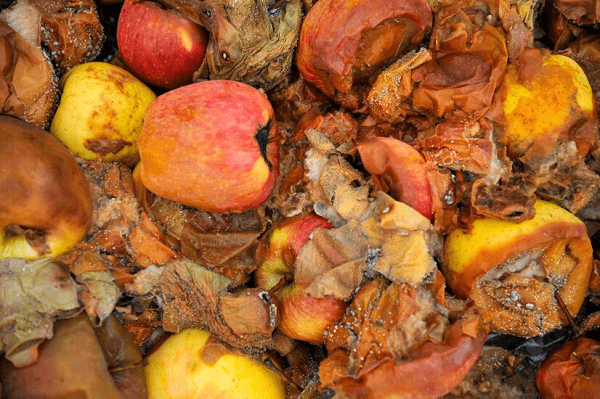
Rancidity- Rancidity refers to the development of off-putting and unpleasant flavors and odors in fats, oils, and fatty foods due to the breakdown of their chemical structure. It is a…

Fats and Oils- Fats and oils are essential components of the human diet and play crucial roles in the body. They are both types of lipids, which are organic molecules…

Commercial Uses- Commercial uses refer to the various ways in which businesses and organizations employ resources, products, services, or strategies to generate revenue and achieve their goals. These uses can…

Functional Properties- Functional properties refer to the characteristics or attributes of a substance, material, or product that affect its performance, behavior, or suitability for a specific purpose. These properties are…
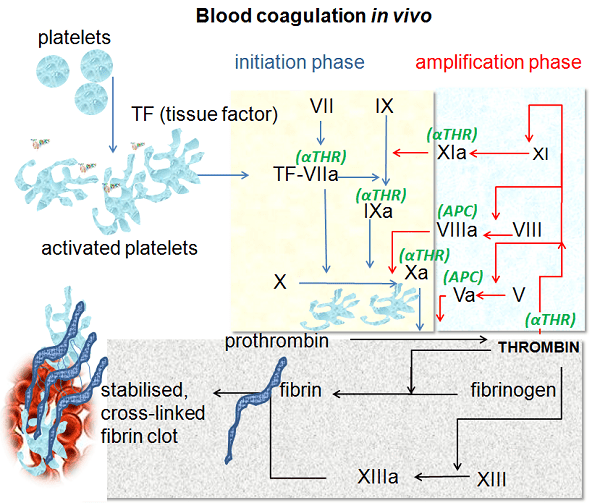
Coagulation- Coagulation, also known as blood clotting, is a complex physiological process that helps stop bleeding when a blood vessel is injured. It is a crucial mechanism to prevent excessive…
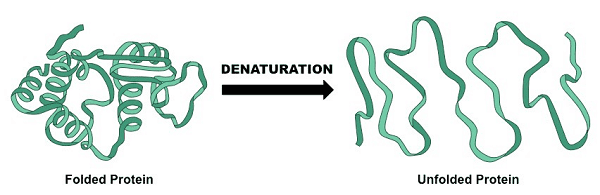
Denaturation- Denaturation is a process in which a biological molecule, typically a protein or nucleic acid (like DNA or RNA), loses its native three-dimensional structure, and as a result, its…
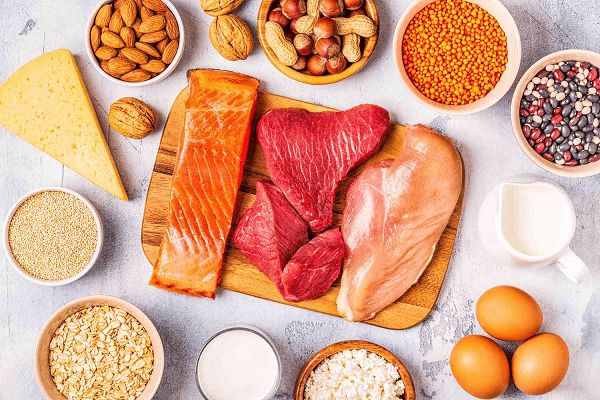
Proteins- Proteins are macromolecules essential for the structure, function, and regulation of cells in living organisms. They are one of the three major classes of biological macromolecules, alongside nucleic acids…
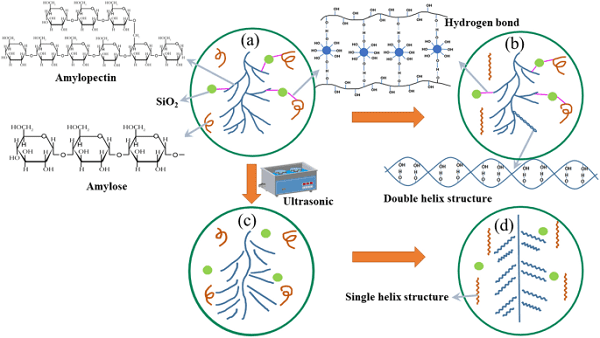
Retro gradation- "Retrogradation" is a term used in various contexts to describe a backward or reverse movement or process. Its meaning can vary depending on the field or context in…

Dextrinisation- Dextrinization is a chemical process that involves the breakdown of starch molecules into smaller, simpler carbohydrates called dextrins. Starch is a complex carbohydrate made up of long chains of…