
Attitudes and behaviour inside a kitchen
Attitudes and behaviour inside a kitchen- Attitudes and behaviors inside a kitchen are important for ensuring safety, cleanliness, and efficiency. Whether you're cooking at home or working in a professional…



Attitudes and behaviour inside a kitchen- Attitudes and behaviors inside a kitchen are important for ensuring safety, cleanliness, and efficiency. Whether you're cooking at home or working in a professional…
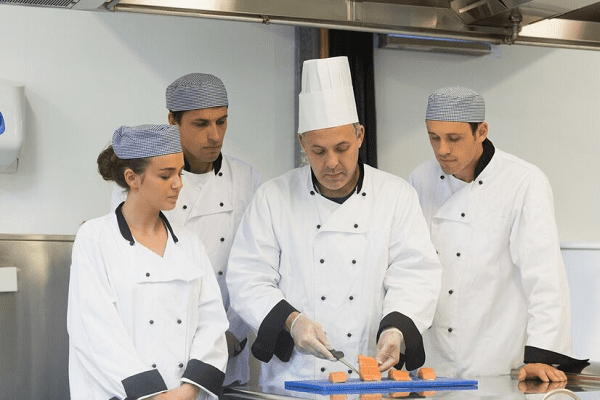
Aims & Objectives of cooking- Cooking, whether for personal enjoyment or in a professional culinary context, typically involves a set of aims and objectives. These aims and objectives can vary…

Co‐ operation with other departments- Cooperation with other departments is a critical aspect of organizational success. It involves different departments or teams within an organization working together harmoniously to achieve…

Kitchen Brigade and Staffing- The kitchen brigade system is a hierarchical structure used in many professional kitchens to organize and manage kitchen staff effectively. It was popularized by the French…

Personal Hygiene- Personal hygiene refers to the practices and habits that individuals maintain to keep their bodies clean and healthy. Good personal hygiene is essential for promoting overall well-being, preventing…
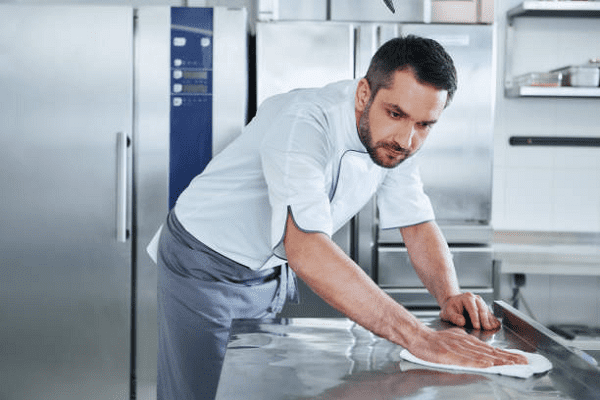
Hygiene in Kitchen- Maintaining proper hygiene in the kitchen is essential to ensure food safety and prevent the spread of foodborne illnesses. Here are some key practices to follow for…

Equipment Knowledge and development- Equipment knowledge and development refer to the understanding and advancement of tools, machinery, instruments, and devices used in various fields, industries, and applications. This can encompass…
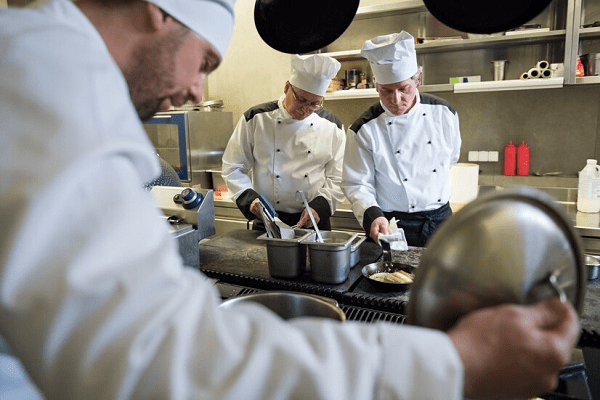
Origin of Modern Cookery- Modern cookery has evolved over centuries and is influenced by a combination of historical, cultural, technological, and social factors. Its origins can be traced back to…
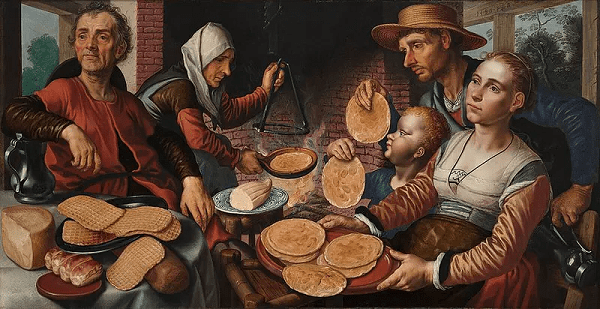
Culinary History- Culinary history is the study of the evolution of food, cooking techniques, and culinary traditions over time. It delves into the cultural, social, economic, and technological factors that…

BASIC FOOD PRODUCTION, BAKERY AND CONFECTIONERY- Basic food production, bakery, and confectionery are essential components of the food industry that involve the preparation, baking, and crafting of a wide variety…