

Gin‐ingredients used in the manufacturing of well known brands
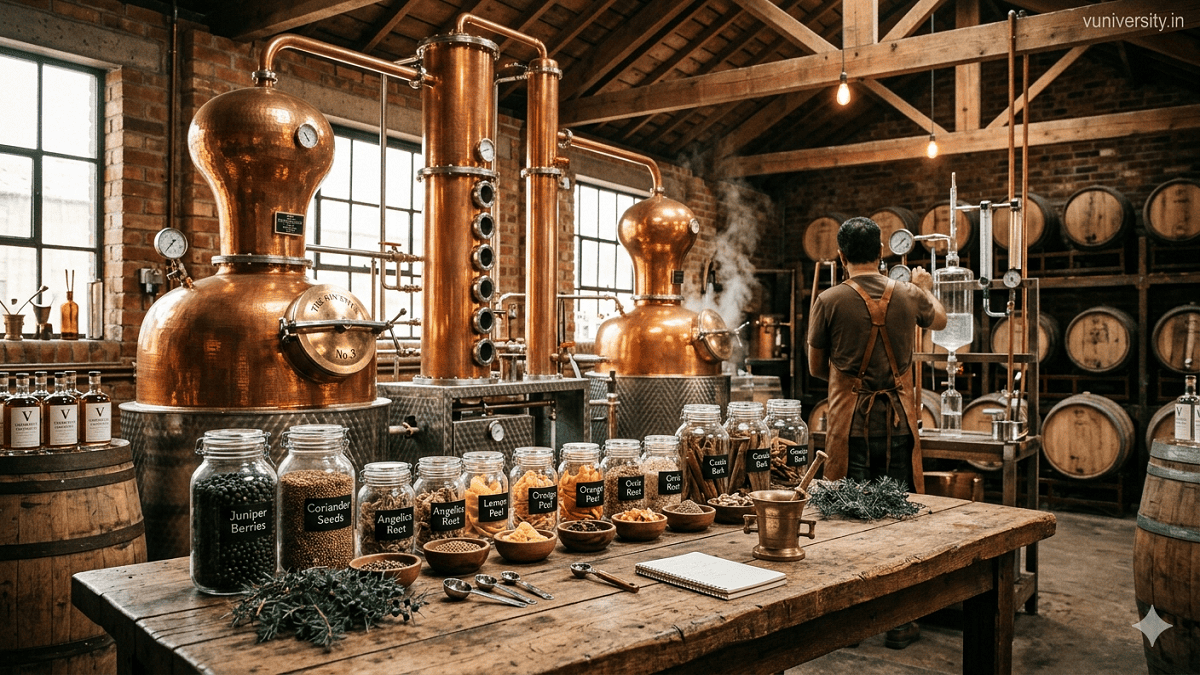
Gin is defined by its dominant juniper flavor, but well‑known brands distinguish themselves through unique blends of botanicals such as coriander, citrus peels, angelica root, orris root, cassia bark, cardamom, cucumber, and lavender. These ingredients shape the flavor profiles of classics like Tanqueray, Bombay Sapphire, and Hendrick’s, making each brand recognizable and distinct.
Core Ingredient: Juniper
- Juniper berries are legally required in production. They provide the signature piney, resinous, and herbaceous notes that define the spirit.
- Without juniper, a spirit cannot be classified as .
Common Botanicals Across Brands
- Coriander: Adds citrusy, spicy depth; second most common botanical after juniper.
- Angelica root: Provides earthy, musky tones and helps bind flavors.
- Orris root: Derived from iris flowers, adds floral notes and stabilizes aromas.
- Citrus peels: Lemon, orange, grapefruit, and exotic varieties like yuzu or bergamot contribute brightness.
- Cassia bark: A cinnamon relative, imparts warm spice.
- Cardamom: Complex, sweet‑spicy flavor, often used in premium .
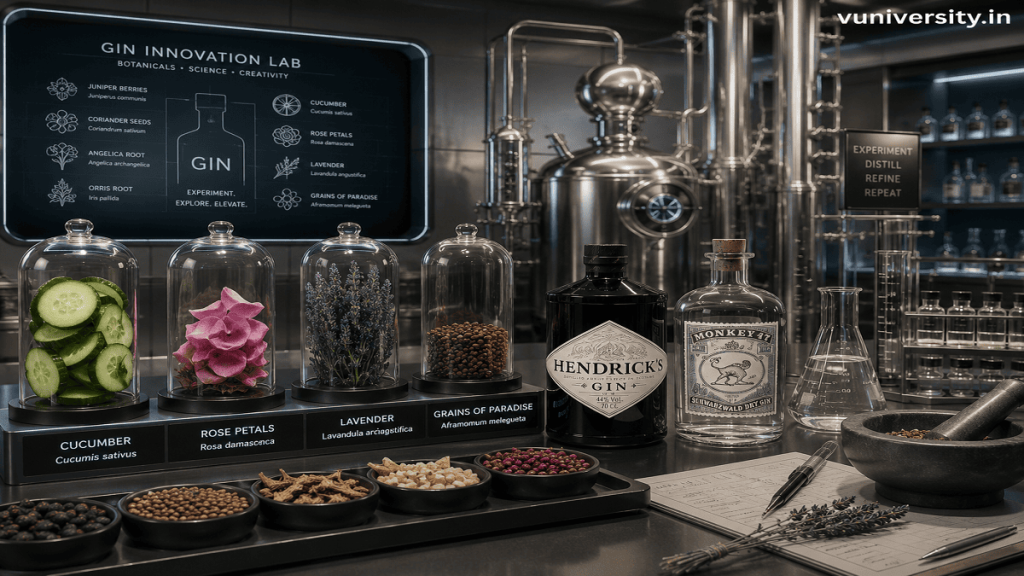
- Cucumber: Fresh vegetal notes, famously used in Hendrick’s.
- Lavender: Floral, aromatic, common in modern American .
Signature Botanicals in Well‑Known Brands
| Brand | Key Botanicals | Flavor Profile |
|---|---|---|
| Tanqueray | Juniper, coriander, angelica, licorice | Classic London Dry, crisp and balanced |
| Bombay Sapphire | Juniper, lemon peel, coriander, angelica, orris root, grains of paradise, cubeb berries, almonds, cassia bark | Bright, aromatic, layered complexity |
| Hendrick’s | Juniper, coriander, citrus, cucumber, rose petals | Fresh, floral, unconventional |
| Beefeater | Juniper, angelica, coriander, lemon peel, bitter orange peel, almonds | Traditional London Dry, bold juniper |
| Monkey 47 | Juniper plus 47 botanicals including lingonberries, elderflower, spruce | Rich, complex, experimental |
Industry Perspective
The art of gin lies in balancing botanicals. While juniper dominates, distillers experiment with herbs, spices, fruits, and florals to create distinctive identities. Modern “New Western” often emphasize unusual botanicals, appealing to adventurous consumers.
#GinAndMixology
What are the primary ingredients used in the production of gin?
Gin is a distilled spirit defined by its dominant juniper flavor, but its complexity comes from a wide range of botanicals carefully selected by distillers. While recipes vary across brands, the primary ingredients used in production can be grouped into core botanicals and complementary flavoring agents.
Core Ingredients
- Juniper berries The essential ingredient in , legally required for classification. Juniper provides the signature piney, resinous, and slightly citrusy notes that distinguish from other spirits.
- Coriander seeds The second most common botanical, adding spicy, citrus‑like depth and balancing juniper’s sharpness.
- Angelica root Earthy and musky, angelica acts as a fixative, binding and stabilizing other flavors.
- Orris root Derived from iris flowers, it contributes floral notes and enhances aroma retention.
- Citrus peels Lemon, orange, and grapefruit peels add brightness and fresh zest, making lively and aromatic.
Complementary Botanicals
- Cassia bark or cinnamon for warm spice.
- Cardamom for sweet‑spicy complexity.
- Licorice root for subtle sweetness.
- Cucumber and rose petals, famously used in Hendrick’s, for fresh and floral character.
- Exotic botanicals such as grains of paradise, cubeb berries, and lavender are often used in modern craft to create distinctive profiles.
Production Process
Gin is typically made by distilling a neutral grain spirit with these botanicals. Distillers may use one of three methods:
- Steeping and distillation: Botanicals are soaked in the spirit before distillation.
- Vapor infusion: Botanicals are suspended in baskets, and vapors extract their flavors.
- Combination methods: A mix of steeping and vapor infusion for layered complexity.
Industry Insight
The artistry of gin lies in balancing juniper with complementary botanicals. Traditional London Dry emphasize juniper and citrus, while contemporary gins highlight unusual botanicals to appeal to modern palates.
For deeper exploration, see The Gin Guild and Difford’s Guide (diffordsguide.com in Bing), which provide detailed insights into ingredients and production methods.
#HospitalityIndustry
How do botanicals influence the flavor profile of different gin brands?
Botanicals are the defining elements of , shaping each brand’s flavor profile by layering citrus, spice, floral, and earthy notes over the mandatory juniper backbone. Distillers use different combinations and extraction methods—like maceration or vapor infusion—to create distinctive identities, from Tanqueray’s crisp juniper focus to Hendrick’s floral cucumber and rose character.
How Botanicals Shape Flavor
- Juniper berries: Provide the piney, resinous backbone; legally required in.
- Coriander seeds: Add citrus‑spice depth, balancing juniper sharpness.
- Angelica root: Earthy tones and acts as a flavor binder.
- Orris root: Floral and aromatic stabilizer.
- Citrus peels: Bright, zesty lift from lemon, orange, or exotic yuzu.
- Spices: Cardamom, cassia bark, and peppercorns add warmth and complexity.
- Florals: Lavender, chamomile, rose petals, and elderflower create delicate aromatics.
- Herbs: Rosemary, thyme, and basil contribute savory or green notes.
Brand Examples
| Brand | Signature Botanicals | Flavor Profile |
|---|---|---|
| Tanqueray | Juniper, coriander, angelica, licorice | Bold juniper, crisp, classic London Dry |
| Bombay Sapphire | Juniper, lemon peel, grains of paradise, cubeb berries, almonds | Bright, layered, aromatic |
| Hendrick’s | Juniper, cucumber, rose petals | Fresh, floral, unconventional |
| Monkey 47 | Juniper plus 47 botanicals (lingonberries, elderflower, spruce) | Complex, experimental, rich |
| Plymouth | Juniper, angelica, cardamom, orange peel | Earthy, balanced, softer juniper |
Influence of Extraction Methods
- Maceration (steeping): Produces heavier, robust flavors (used by Tanqueray, Gordon’s).
- Vapor infusion: Creates lighter, delicate profiles (used by Bombay Sapphire).
- Hybrid approaches: Combine both for layered complexity.
Risks & Trade‑offs
- Overuse of botanicals can overwhelm juniper, leading to “flavored vodka” rather than true.
- Regional botanicals (like Japanese yuzu or African grains of paradise) add uniqueness but may polarize consumers.
- High ABV (Navy Strength, 57%+) intensify botanical flavors, which can dominate cocktails.
Further Reading
For detailed insights into how botanicals influence, see Gin Authority’s Complete Guide and Dread River’s Gin 101.
#DistillationProcess
Which ingredients are commonly used by well-known gin manufacturers?
Well‑known manufacturers rely on a core set of botanicals but differentiate themselves through unique blends that create distinct flavor profiles. While juniper is always the dominant ingredient, the supporting botanicals vary widely across brands.
Core Botanicals Used by Most Brands
- Juniper berries – The legally required ingredient, providing piney, resinous notes.
- Coriander seeds – Add citrus‑spice depth and balance.
- Angelica root – Earthy tones and acts as a flavor binder.
- Orris root – Floral stabilizer that enhances aroma retention.
- Citrus peels – Lemon, orange, and grapefruit peels provide brightness.
Signature Botanicals in Famous Brands
| Brand | Key Botanicals | Flavor Profile |
|---|---|---|
| Tanqueray | Juniper, coriander, angelica, licorice | Crisp, bold juniper focus |
| Bombay Sapphire | Juniper, lemon peel, grains of paradise, cubeb berries, almonds, cassia bark | Bright, layered, aromatic |
| Hendrick’s | Juniper, cucumber, rose petals | Fresh, floral, unconventional |
| Beefeater | Juniper, coriander, angelica, lemon peel, bitter orange peel, almonds | Traditional London Dry, robust juniper |
| Monkey 47 | Juniper plus 47 botanicals including lingonberries, elderflower, spruce | Complex, experimental, rich |
Influence of Botanicals
- Spices like cassia bark, cardamom, and peppercorns add warmth and complexity.
- Florals such as lavender, chamomile, and elderflower create delicate aromatics.
- Herbs like rosemary and basil contribute savory or green notes.
- Unique additions (e.g., cucumber in Hendrick’s, lingonberries in Monkey 47) give brands their signature character.
Industry Insight
The artistry of lies in balancing juniper with complementary botanicals. Traditional London Dry emphasize juniper and citrus, while modern craft highlight unusual botanicals to appeal to evolving consumer tastes.
For deeper exploration of ingredients and brand recipes, see Difford’s Guide (diffordsguide.com in Bing) and The Gin Guild.
#GinInnovation
How does the distillation process affect the quality of gin?
The distillation process is central to the quality of, as it determines how botanicals are extracted, balanced, and preserved in the final spirit. Different methods—steeping, vapor infusion, or hybrid approaches—affect flavor intensity, clarity, and consistency, making distillation both a science and an art in production.
Key Distillation Methods
- Steeping and distillation Botanicals are soaked in neutral grain spirit before distillation. This method produces bold, robust flavors, often used in traditional London Dry.
- Vapor infusion Botanicals are placed in baskets above the still, and vapors extract lighter, more delicate notes. Bombay Sapphire famously uses this technique for its layered, aromatic profile.
- Hybrid approaches Some distillers combine steeping and vapor infusion to achieve complexity and balance, ensuring heavier flavors don’t overpower subtler botanicals.
How Distillation Affects Quality
- Flavor Balance: The method chosen influences whether juniper dominates or whether citrus, spice, or floral notes shine.
- Purity and Smoothness: Careful distillation removes impurities, resulting in a cleaner spirit with refined mouthfeel.
- Consistency: Precision in distillation ensures each batch tastes the same, critical for brand reputation.
- Aroma Retention: Techniques like vapor infusion preserve delicate aromatics that might otherwise be lost in high‑heat processes.
- Innovation: Modern craft distillers experiment with unique botanicals and distillation styles, creating distinctive that appeal to evolving consumer tastes.
Brand Examples
| Brand | Distillation Method | Resulting Quality |
|---|---|---|
| Tanqueray | Steeping | Bold juniper, crisp London Dry style |
| Bombay Sapphire | Vapor infusion | Bright, aromatic, layered complexity |
| Hendrick’s | Hybrid (steeping + infusion) | Fresh, floral, unconventional |
| Monkey 47 | Complex hybrid | Rich, experimental, highly aromatic |
Industry Insight
The artistry of gin lies not only in the choice of botanicals but in how distillation unlocks their character. A poorly executed process can lead to harshness or imbalance, while precision distillation elevates gin into a refined spirit suitable for both sipping and cocktails.
For deeper exploration of distillation techniques and their impact on gin, see Difford’s Guide (diffordsguide.com in Bing) and The Gin Guild.
#LondonDryGin
What makes the ingredient selection unique among popular gin brands?
Ingredient selection is what makes each brand unique, as distillers carefully choose botanicals to craft a signature flavor profile. While juniper is always the dominant note, the supporting ingredients vary widely, reflecting tradition, innovation, and regional influences.
Core Similarities Across Brands
- Juniper berries: Legally required, providing piney, resinous notes.
- Coriander seeds: Add citrus‑spice depth.
- Angelica root: Earthy tones and flavor binding.
- Orris root: Floral stabilizer enhancing aroma retention.
- Citrus peels: Brightness from lemon, orange, or grapefruit.
These form the backbone of most London Dry , ensuring consistency and recognizability.
Unique Selections by Popular Brands
- Tanqueray: Stays close to tradition with juniper, coriander, angelica, and licorice, producing a crisp, classic profile.
- Bombay Sapphire: Uses vapor infusion to highlight botanicals like grains of paradise, cubeb berries, and almonds, creating layered complexity.
- Hendrick’s: Distinctive for cucumber and rose petals, offering fresh, floral notes.
- Monkey 47: Incorporates 47 botanicals, including lingonberries and spruce, resulting in a rich, experimental profile.
- Beefeater: Combines juniper with bitter orange peel and almonds, emphasizing bold juniper with citrus balance.
Why Ingredient Selection Matters
- Flavor Identity: Botanicals define whether a is crisp, floral, spicy, or experimental.
- Regional Influence: Japanese may use yuzu or sakura blossoms, while European brands lean on traditional herbs and spices.
- Consumer Appeal: Modern craft highlight unusual botanicals to attract adventurous drinkers.
- Innovation vs Tradition: London Dry emphasize juniper dominance, while contemporary push boundaries with botanicals like lavender, basil, or tea leaves.
Industry Insight
Ingredient selection is both a branding strategy and a sensory experience. By choosing distinctive botanicals, makers create spirits that stand out in cocktails and neat pours alike. This diversity explains why has become one of the most versatile categories in the spirits industry.
#CraftGin
Case Study of Gin‐ingredients used in the manufacturing of well known brands
Here’s a professional case study on ingredients used in the manufacturing of well‑known brands, written in a blog‑style format around 450 words, without emojis, and with relevant external references.
Gin is one of the most versatile spirits in the world, defined by its juniper backbone but distinguished by the botanicals each distiller selects. Ingredient choice is not only a matter of tradition but also a strategic decision that shapes brand identity, consumer appeal, and market positioning. This case study explores how well‑known brands use botanicals to create unique flavor profiles.
Core Ingredients Across the Industry
All must contain juniper berries, which provide the piney, resinous notes that legally define the spirit. Alongside juniper, most brands rely on coriander seeds for citrus‑spice depth, angelica root for earthy binding qualities, and orris root to stabilize aromas. Citrus peels—lemon, orange, or grapefruit—are also common, adding brightness and balance.
Brand‑Specific Ingredient Strategies
- Tanqueray: A classic London Dry, Tanqueray emphasizes juniper, coriander, angelica, and licorice. Its restrained recipe highlights crisp juniper dominance, appealing to purists.
- Bombay Sapphire: Known for vapor infusion, it uses botanicals like grains of paradise, cubeb berries, almonds, and cassia bark. This method preserves delicate aromatics, resulting in a layered, bright profile.
- Hendrick’s: Distinctive for cucumber and rose petals, Hendrick’s breaks tradition by introducing fresh, floral notes. This innovation has positioned it as a modern, unconventional.
- Monkey 47: Incorporating 47 botanicals, including lingonberries and spruce, Monkey 47 represents experimental craftsmanship. Its complexity appeals to connoisseurs seeking depth.
- Beefeater: A traditional London Dry, Beefeater balances juniper with bitter orange peel and almonds, maintaining bold juniper while adding citrus nuance.
Impact of Ingredient Selection
Ingredient choice directly influences:
- Flavor identity: Whether a is crisp, floral, spicy, or experimental.
- Regional character: Japanese may use yuzu or sakura blossoms, while European brands lean on herbs and spices.
- Consumer perception: Traditional recipes appeal to heritage drinkers, while unusual botanicals attract adventurous consumers.
Industry Perspective
The diversity of botanicals demonstrates how has evolved from a medicinal spirit into a global category of innovation. Ingredient selection is both a branding tool and a sensory experience, ensuring each stands out in cocktails and neat pours.
White Paper on Gin
Executive Summary
Gin is a globally recognized spirit defined by its juniper backbone but distinguished by the botanicals each distiller selects. Ingredient choice and distillation methods are critical to brand identity, consumer appeal, and product quality. This paper examines the core ingredients, unique botanical strategies of leading brands, and the role of distillation in shaping flavor and consistency.
Core Ingredients
All must contain juniper berries, which provide the piney, resinous notes that legally define the spirit. Alongside juniper, most brands rely on:
- Coriander seeds for citrus‑spice depth.
- Angelica root for earthy tones and flavor binding.
- Orris root to stabilize aromas.
- Citrus peels for brightness and balance.
These form the backbone of traditional London Dry, ensuring consistency across the category.
Brand Case Studies
- Tanqueray: A minimalist recipe emphasizing juniper, coriander, angelica, and licorice, producing a crisp, classic profile.
- Bombay Sapphire: Uses vapor infusion to highlight grains of paradise, cubeb berries, and almonds, resulting in layered complexity.
- Hendrick’s: Distinctive for cucumber and rose petals, offering fresh, floral notes that break tradition.
- Monkey 47: Incorporates 47 botanicals, including lingonberries and spruce, representing experimental craftsmanship.
- Beefeater: Balances juniper with bitter orange peel and almonds, maintaining bold juniper with citrus nuance.
Distillation Methods and Quality Impact
- Steeping: Botanicals soaked in spirit before distillation, producing robust flavors.
- Vapor infusion: Botanicals suspended above the still, extracting delicate aromatics.
- Hybrid approaches: Combine both methods for layered complexity.
Distillation affects flavor balance, purity, aroma retention, and consistency. Precision ensures brand reputation and consumer trust.
Industry Perspective
Ingredient selection and distillation are not only technical processes but also branding strategies. Traditional London Dry emphasize juniper dominance, while modern craft highlight unusual botanicals to attract adventurous consumers. Regional influences, such as Japanese yuzu or African grains of paradise, further diversify the category.
Conclusion
Gin’s uniqueness lies in the interplay of botanicals and distillation. By carefully selecting ingredients and refining processes, distillers create spirits that stand out in cocktails and neat pours alike. The diversity of approaches demonstrates gin’s evolution from a medicinal spirit into a global category of innovation.
#JuniperBotanicals
Industry Application of Gin
Introduction
Gin has evolved from its medicinal origins into one of the most versatile spirits in the global beverage industry. Its adaptability, driven by botanical diversity and innovative distillation methods, has positioned gin as a key player across hospitality, retail, and consumer markets. This paper explores how gin is applied in various industry sectors, highlighting its economic, cultural, and commercial significance.
Hospitality and Mixology
Gin is central to the cocktail industry, forming the base of classics such as the Gin & Tonic, Martini, and Negroni. Its botanical complexity allows bartenders to experiment with flavor pairings, making it a staple in both traditional and contemporary mixology. Premium gin brands often collaborate with bars and restaurants to create signature serves, reinforcing brand identity while enhancing customer experience.
Tourism and Heritage
Gin distilleries have become tourist destinations, offering guided tours, tastings, and educational experiences. This contributes to regional economies by promoting local botanicals and heritage. For example, London Dry gin remains a cultural export, while Japanese gins highlight native ingredients like yuzu and sakura blossoms, attracting global interest.
Retail and Consumer Trends
Gin’s versatility has fueled growth in the craft spirits market. Small‑batch distillers experiment with unusual botanicals—lavender, tea leaves, or seaweed—to appeal to adventurous consumers. Seasonal and limited‑edition gins create exclusivity, driving demand in premium retail segments. The rise of ready‑to‑drink gin cocktails also reflects consumer preference for convenience without compromising quality.
Health and Wellness Positioning
Although gin is an alcoholic beverage, its botanical heritage is often marketed as a differentiator. Distillers emphasize natural ingredients, artisanal processes, and lower sugar content compared to other spirits. This aligns with consumer trends toward authenticity and perceived wellness, though moderation remains essential.
Global Market Impact
Gin’s industry application extends to international trade and branding. European producers dominate exports, but emerging markets in Asia and Africa are adopting gin as part of modern drinking culture. The spirit’s adaptability to local botanicals ensures relevance across diverse geographies.
Conclusion
Gin’s industry application is multifaceted, spanning hospitality, tourism, retail, and global trade. Its unique ingredient selection and distillation processes make it both a cultural symbol and a commercial asset. As consumer preferences evolve, gin continues to adapt, reinforcing its position as one of the most dynamic categories in the spirits industry.
#GinIngredients
Ask FAQs
What are current market trends in the gin industry?
Growth in craft gins, seasonal editions, and ready‑to‑drink formats reflects evolving consumer preferences.
What role does gin play in tourism and heritage?
Distilleries attract visitors through tours and tastings, promoting local botanicals and cultural heritage.
How is gin applied in the hospitality industry?
Gin is a staple in cocktails like the Martini and Negroni, and premium brands collaborate with bars for signature serves.
Which gin brands are known for innovative ingredient use?
Bombay Sapphire (grains of paradise), Hendrick’s (cucumber and rose), and Monkey 47 (47 botanicals) are notable examples.
What is the difference between London Dry gin and contemporary gins?
London Dry emphasizes juniper dominance, while contemporary gins highlight unusual botanicals for modern palates.
Source: Science Channel
Table of Contents
Disclaimer The information provided in this article is intended for educational and informational purposes only. It does not constitute professional advice on manufacturing, consumption, or health. Readers are encouraged to consult official sources and regulatory guidelines before making decisions related to alcoholic beverages. Consumption of gin and other spirits should always be done responsibly and in accordance with local laws and regulations.