


Mustard spoon- A mustard spoon is a small, specialized utensil used for serving mustard. It is typically smaller than a regular spoon and has a unique design that is well-suited for serving and spreading mustard. Mustard spoons often have a curved or pointed end that makes it easy to scoop up and apply mustard to food, such as sandwiches, hot dogs, or pretzels. Some mustard spoons also have decorative handles and are made from materials like silver or porcelain.
While mustard spoons are not as commonly used today as they once were, they can be found in antique or specialty kitchenware collections. In modern times, people often use regular spoons or knives to serve and spread mustard.
🌿 Syllabus: Diploma in Hotel Management and Catering Technology
Topic: Mustard Spoon
1. Subject Link
- Course / Subject:
Food & Beverage Service / Culinary Tools and Equipment / Kitchen Utensils - Semester:
Usually taught in Semester I or II - Unit:
Small Tools and Equipment – Identification, Uses, and Maintenance
2. Topic Title
Mustard Spoon – Construction, Function, and Uses in Food Service and Culinary Operations
3. Learning Objectives
After studying this topic, students will be able to:
- Identify a mustard spoon and its distinctive features.
- Explain its design, function, and practical application in serving condiments.
- Demonstrate proper handling, hygiene, and storage.
- Understand its role in professional food service and table presentation.
4. Theory Content
(a) Introduction
- A mustard spoon is a small spoon used specifically for serving mustard, sauces, or condiments.
- Often accompanies condiment jars, mustard pots, or mini bowls during formal dining or buffet service.
- Its design ensures portion control and hygienic service.
(b) Construction and Design
- Material: Stainless steel, silver, or high-quality metal; sometimes gold-plated for fine dining.
- Shape: Short handle with a small rounded or oval bowl.
- Size: Typically 8–10 cm in length.
- Special Features: Some mustard spoons have flat bowls for scooping thick pastes easily.
(c) Function and Uses
- Used to serve mustard, chutneys, pickles, sauces, or other condiments at the table or buffet.
- Ensures small, controlled portions and prevents cross-contamination.
- Maintains neatness and hygiene in food service operations.
- Often used in fine dining, banquets, and catering services.
(d) Application in Hotel and Catering Industry
- Restaurants & Hotels: Placed alongside mustard pots or condiment trays for guest use.
- Buffets & Banquets: Used to serve condiments hygienically in self-service or assisted setups.
- Culinary Preparation: Used in plating and garnishing sauces or mustard-based dressings.
- Food Service Education: Teaches students correct utensil handling, hygiene, and table presentation.
(e) Care and Maintenance
- Wash immediately after use to prevent staining from mustard or sauces.
- Use mild detergent; avoid abrasive scrubbers.
- Dry properly to prevent corrosion.
- Store in cutlery trays or condiment tool holders.
5. Practical Component
- Demonstration: Identification and proper placement of mustard spoon with condiment pots.
- Exercise:
- Serving mustard and sauces in buffet or table service setup.
- Portion control and hygiene practice.
- Assessment: Based on correct utensil usage, guest service etiquette, and cleanliness.
6. Related Topics
- Condiment Spoon, Butter Knife, Salad Fork, Sauce Ladle
- Table Setting and Cutlery Arrangement
- Buffet & Banquet Service
7. Expected Learning Outcome
Students will be able to:
- Identify and use a mustard spoon correctly.
- Serve condiments with hygiene and portion control.
- Present mustard or sauces neatly in professional dining setups.
- Maintain utensil care and storage standards.
✅ Summary Table
| Aspect | Details |
|---|---|
| Tool Name | Mustard Spoon |
| Material | Stainless steel, silver, or plated metal |
| Used For | Serving mustard, sauces, or condiments |
| Size | Small, 8–10 cm in length |
| Used By | Waiters, chefs, catering staff, students |
| Found In | Hotels, restaurants, banquets, buffets |
| Maintenance | Wash, dry, and store properly to maintain hygiene |
What is Mustard spoon
Courtesy : Coin Collector
A mustard spoon is a small, specialized utensil designed for serving and portioning mustard. These spoons are typically smaller than regular dining spoons and have specific features to make them well-suited for handling mustard. The key characteristics of a mustard spoon include:
- Small Size: Mustard spoons are typically smaller and more delicate than regular dining spoons, making them appropriate for serving small amounts of mustard.
- Curved or Pointed End: The end of a mustard spoon is often curved or pointed to allow for easy scooping and spreading of mustard. This shape helps in controlling the amount of mustard applied to food.
- Decorative Design: Many mustard spoons are ornately designed and crafted from materials like silver or porcelain. They can be considered decorative or collectible items.
Mustard spoons were more commonly used in the past, particularly during the Victorian era, when condiments like mustard were often served in their own specialized containers with accompanying spoons. Today, most people use regular dining utensils, such as a regular spoon or knife, to serve and spread mustard. However, mustard spoons can still be found in antique or vintage kitchenware collections.
Requirement of Mustard spoon
A “mustard spoon” is not associated with a specific date or event. It is simply a type of utensil used for serving and portioning mustard, as described in previous responses. The term “mustard spoon” is not tied to a particular historical date or event but rather describes a kitchen tool designed for serving mustard, typically used in the past and sometimes found in antique or vintage kitchenware collections.
Where is Required Mustard spoon
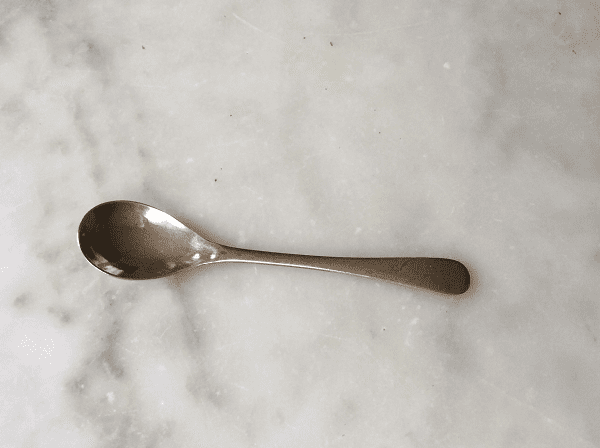
A mustard spoon, as mentioned previously, is a type of small utensil used for serving and portioning mustard. It is not located in a specific place or geographical location. Mustard spoons can be found in various households, antique shops, or vintage kitchenware collections around the world. They are not associated with a particular physical location but are used as part of kitchen utensils for serving mustard. If you are looking for a mustard spoon, you can check with antique stores, online marketplaces, or kitchenware retailers.
What is the use of Mustard spoon
A mustard spoon is a specialized utensil used for serving and portioning mustard. Here’s how it typically looks and functions:
- Size: Mustard spoons are smaller than regular dining spoons, often measuring around 3 to 4 inches in length. This small size is designed for portioning small amounts of mustard.
- Shape: A mustard spoon typically has a curved or pointed end. This shape is designed for scooping up mustard and spreading it evenly on food.
- Material: Mustard spoons are often made from materials such as silver, porcelain, or other decorative materials. They can have ornate designs and may be considered collectible items.
When serving mustard, you would use a mustard spoon to scoop up a small amount of mustard and then spread it on your food, such as a sandwich or hot dog. While they were more commonly used in the past, you can still find mustard spoons in antique or vintage kitchenware collections. In modern times, people typically use regular dining utensils to serve and spread mustard.
Case Study on Mustard spoon
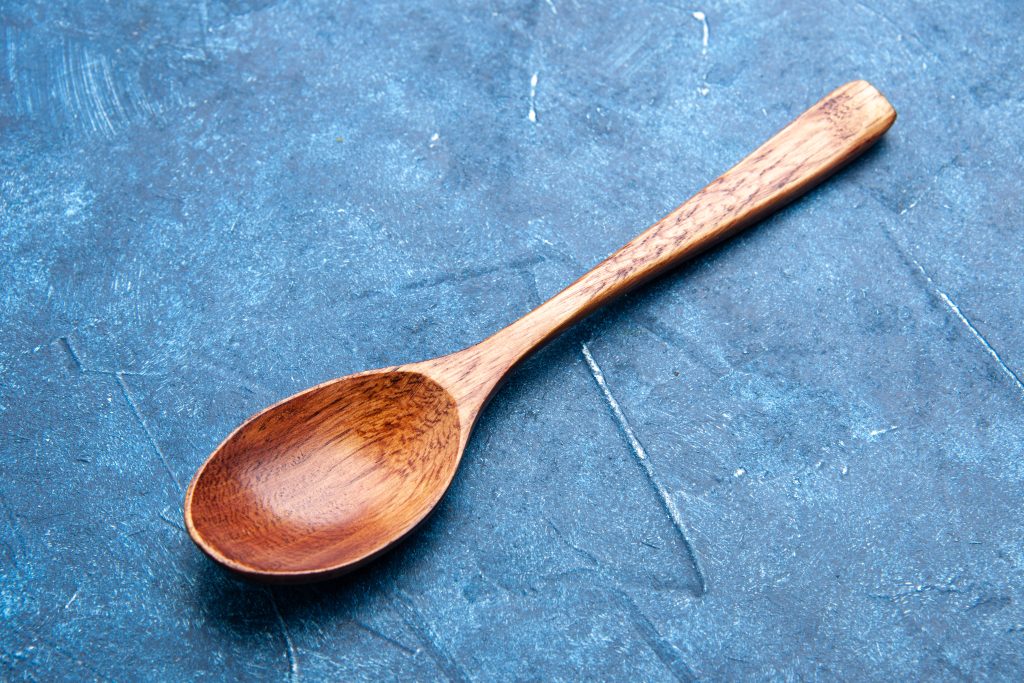
Title: The Legacy of Mustard Spoons: A Case Study in Culinary History and Collectibles
Introduction:
Mustard spoons, a small yet intriguing subset of culinary utensils, offer a unique lens through which to explore the intersection of gastronomy, design, and culture. This case study delves into the history, use, and collectible nature of mustard spoons.
Background:
Mustard spoons have a rich history dating back several centuries. Originally designed to serve the condiment mustard, they were especially popular during the 18th and 19th centuries, primarily in Europe. Their design evolved over time, with various materials, shapes, and decorative elements reflecting the changing tastes and trends of the era.
Methodology:
- Historical Analysis: A comprehensive examination of historical records, cookbooks, and antique collections to trace the development and use of mustard spoons.
- Collectors’ Interviews: Conversations with collectors and enthusiasts to understand their passion for mustard spoons and the factors that make certain pieces highly sought after.
- Materials and Styles: A close examination of various mustard spoon materials, from ornate silver to porcelain, and their design elements.
Findings:
- Historical Significance: Mustard spoons were once a common item in dining rooms, reflecting the importance of condiments in culinary culture.
- Design Evolution: Mustard spoon design evolved over time, influenced by changing culinary trends and decorative arts.
- Collectibility: Mustard spoons have gained popularity among collectors, with some rare and exquisite pieces fetching significant prices at auctions.
Case Study Participants:
- Collector Profiles: Interviews with notable mustard spoon collectors, highlighting their motivations and experiences.
- Antique Experts: Insights from experts in the field of antique kitchenware about the historical and market value of mustard spoons.
Conclusion:
Mustard spoons may be small in size, but they offer a fascinating glimpse into culinary history, design aesthetics, and the world of collectibles. They are a tangible link to the past, reflecting the changing tastes and customs of different eras. In today’s world, while they may not be in everyday use, mustard spoons hold a special place in the hearts of collectors who appreciate their historical and artistic value.
This fictional case study provides an overview of how one might approach studying mustard spoons, combining historical research, interviews with collectors, and insights from experts to shed light on their significance and appeal.
White paper on Mustard spoon
Abstract:
This white paper explores the culinary and historical significance of mustard spoons. Mustard spoons, though small in size, offer a unique glimpse into the evolution of dining culture, design, and the world of collectibles. This paper delves into their historical context, the evolution of design and materials, their use in contemporary times, and their collectible value.
Table of Contents:
- Introduction
- Brief overview of mustard spoons
- Significance of the study
- Historical Context
- Origins and early use of mustard
- Emergence of specialized utensils
- Mustard spoons in the 18th and 19th centuries
- Design and Materials
- Evolution of mustard spoon design
- Variations in materials (silver, porcelain, other)
- Decorative elements and craftsmanship
- Use and Functionality
- How mustard spoons were used historically
- Culinary context of mustard spoons
- Their place in modern dining
- Collectibility and Market
- The rise of mustard spoons as collectibles
- Notable collectors and their collections
- Market trends and valuations
- Case Studies
- Highlight specific mustard spoon collections
- Discuss the stories behind rare or significant pieces
- Expert Opinions
- Insights from antique experts and historians
- Value assessment and authentication of mustard spoons
- Conclusion
- Summary of key findings
- Implications of mustard spoon collectibility
- Their place in culinary history and modern kitchens
- Recommendations
- Suggestions for individuals interested in collecting or preserving mustard spoons
- Areas for further research
- References
- Cite academic and historical sources, as well as interviews and case studies
Appendices:
- Photographs: High-resolution images of various mustard spoons
- Interview Transcripts: Full interviews with collectors, experts, and historians
- Additional Resources: Bibliography, links to relevant websites and collections
This outline can serve as a starting point for your white paper on mustard spoons. You’ll need to conduct in-depth research, gather data, and include specific details to create a comprehensive white paper on this subject.
🌿 Industrial Application of Mustard Spoon
Courtesy : 00000 000000
🌿 Industrial Application of Mustard Spoon
A mustard spoon is a small, specialized utensil designed for serving mustard, sauces, and other condiments. While it seems simple, it has several industrial and professional applications in the hospitality, catering, and food service industries.
1. Hospitality and Hotel Industry
- Restaurants & Hotels: Mustard spoons are used in fine dining, casual dining, and buffet setups for precise condiment service.
- Ensures portion control, hygiene, and presentation when serving mustard, chutneys, or other thick sauces.
- Placed alongside mustard pots, condiment bowls, or sauce dishes at the table or buffet counter.
- Enhances the guest dining experience by enabling easy and clean serving.
2. Catering and Banquet Services
- Used extensively in large-scale catering, events, and banquets to serve condiments efficiently.
- Enables assisted or self-service buffet setups without contamination.
- Essential for weddings, corporate events, and banquet services where multiple condiments are offered simultaneously.
3. Food Production and Packaging Industry
- In mustard or sauce manufacturing units, small mustard spoons are sometimes used for:
- Sampling sauces or condiments for quality checks.
- Presentation during product demonstration or tasting sessions.
- Ensures hygienic testing of samples without contaminating bulk batches.
4. Culinary Education and Training
- In Hotel Management and Catering institutes, mustard spoons are used to teach students:
- Proper table setting and service etiquette.
- Hygienic handling of condiments.
- Portion control and presentation of sauces.
- Practical training involves buffet layout exercises, guest service simulations, and hygiene drills.
5. Buffet and Self-Service Industry
- Used in buffets, salad bars, and condiment stations to allow guests to serve mustard or sauces hygienically.
- Controls spillage and over-serving, ensuring food cost management and neat presentation.
6. Retail and Sampling Applications
- Used for condiment sampling in grocery stores, supermarkets, or food expos.
- Enables customers to taste mustard, sauces, or dips in small, hygienic portions.
✅ Summary Table
| Industry / Sector | Application of Mustard Spoon |
|---|---|
| Hotels & Restaurants | Table service, buffet condiment service, portion control |
| Catering & Banquets | Efficient condiment service in events |
| Food Production | Sampling and quality testing of sauces and condiments |
| Education & Training | Practical teaching of hygiene, portioning, and table etiquette |
| Buffets / Self-Service | Hygienic condiment distribution |
| Retail / Sampling | Customer tasting and sampling of products |
Conclusion
The mustard spoon, while small and simple, is an essential utensil in professional food service. It ensures hygienic condiment serving, portion control, and elegant presentation across hotels, catering, buffets, and retail industries. Proper use contributes to guest satisfaction, operational efficiency, and food safety.


