


School of Hospitality and Catering Examination- The types of examinations in a School of Hospitality and Catering can vary based on the specific courses and programs offered by the institution. However, here are some common types of examinations that you might encounter in a hospitality and catering school:
- Theory Exams: These exams assess your knowledge and understanding of the theoretical concepts related to hospitality and catering. They may include multiple-choice questions, short answer questions, essays, and case studies.
- Practical Exams: Practical exams evaluate your hands-on skills in various aspects of hospitality and catering, such as cooking, food presentation, beverage service, and housekeeping. You might be asked to demonstrate your ability to prepare specific dishes, set up dining areas, or execute various service techniques.
- Food and Beverage Tasting Exams: For culinary and beverage-related courses, you might have exams that involve tasting and identifying different ingredients, flavors, and techniques. These exams could test your palate, sensory perception, and knowledge of ingredients.
- Menu Planning and Design Exams: In these exams, you might be asked to create menus that align with specific themes, dietary restrictions, or target audiences. This assesses your ability to plan well-balanced and appealing menus.
- Event Planning Exams: If your program includes event management or banquet planning, you might have exams where you’re required to design and plan events, considering aspects like logistics, budgeting, and guest experience.
- Hospitality Management Exams: These exams assess your understanding of management principles as applied to the hospitality industry. Topics may include customer service, marketing, human resources, and financial management.
- Wine and Beverage Knowledge Exams: If your program covers wine and beverage service, you might encounter exams that test your knowledge of different types of wine, alcoholic beverages, mixology, and beverage pairing.
- Food Safety and Sanitation Exams: Given the importance of food safety in the industry, you might have exams that cover topics like proper food handling, sanitation practices, and HACCP (Hazard Analysis Critical Control Point) principles.
- Culinary Arts Practical Tests: Culinary programs often have practical exams where you’re required to prepare dishes within a specified timeframe while demonstrating proper cooking techniques, presentation skills, and attention to detail.
- Language and Communication Exams: Especially in international hospitality settings, language proficiency and effective communication are crucial. Exams in this category might involve role-playing scenarios, writing tasks, and communication exercises.
- Business and Marketing Plan Exams: If your program includes aspects of entrepreneurship or business management, you might have exams where you create business plans, marketing strategies, and financial projections.
Remember that the specific types of examinations you’ll encounter will depend on the curriculum of the school and the courses you’re enrolled in. It’s a good idea to review your course syllabus and communicate with your instructors to understand the format and content of your exams.
What is School of Hospitality and Catering Examination
The “School of Hospitality and Catering Examination” refers to the assessments and tests that students pursuing education in the field of hospitality and catering undergo. The examinations are designed to evaluate students’ understanding, knowledge, practical skills, and application of concepts related to various aspects of the hospitality and catering industry.
In a School of Hospitality and Catering, which is often a part of vocational or higher education institutions, students learn about a range of topics including culinary arts, food and beverage management, event planning, hospitality management, customer service, sanitation and safety practices, and more. The examinations in this context are designed to measure how well students have grasped these concepts and are prepared to enter the workforce in the hospitality and catering sector.
Examinations in a School of Hospitality and Catering can take various forms:
- Theory Exams: These exams test students’ understanding of theoretical concepts related to culinary techniques, nutrition, hospitality management principles, event planning, and more. Students might be asked to answer multiple-choice questions, short-answer questions, and essays.
- Practical Exams: Practical assessments evaluate students’ hands-on skills. In culinary programs, this could involve preparing specific dishes, demonstrating cooking techniques, and food presentation. For hospitality management, it might involve scenarios related to customer service, problem-solving, and event coordination.
- Laboratory Exams: In culinary and food-related programs, laboratory exams might be conducted in kitchen environments, where students showcase their culinary skills under examination conditions.
- Menu Planning and Design Exams: Students might be asked to design menus that cater to specific dietary requirements, themes, or occasions, showcasing their creativity and knowledge of ingredients.
- Food Safety and Sanitation Exams: These exams assess students’ understanding of food safety practices, sanitation guidelines, and the ability to maintain hygiene in culinary and food service environments.
- Business and Management Exams: For students focusing on the business and management side of the hospitality industry, exams could cover topics like marketing, financial management, human resources, and strategic planning.
- Language and Communication Exams: Given the importance of effective communication in the industry, exams might evaluate students’ language skills, communication abilities, and professionalism.
- Wine and Beverage Knowledge Exams: Students specializing in beverages might be tested on their knowledge of different types of wine, spirits, cocktails, and beverage service techniques.
- Event Planning and Catering Exams: If event planning is a part of the curriculum, students might be tested on their ability to plan, organize, and execute events, considering aspects like logistics, budgets, and guest experience.
It’s important to note that the structure and content of these examinations can vary from one institution to another, depending on the specific programs and courses offered. If you’re a student in a School of Hospitality and Catering, it’s recommended to review your course materials, syllabi, and guidelines provided by your instructors to prepare effectively for your examinations.
Who is School of Hospitality and Catering Examination
It seems like there might be a misunderstanding. “School of Hospitality and Catering Examination” is not a specific person or entity. Instead, it refers to the examinations and assessments that are conducted within a school or educational institution that offers hospitality and catering programs.
In other words, it’s a general term used to describe the exams that students studying hospitality and catering would take as part of their educational journey. These exams are designed to evaluate students’ knowledge, skills, and understanding of various topics related to the hospitality and catering industry.
“Hospitality and Catering Examination” doesn’t refer to a specific person. It’s a term used to describe the examinations and assessments that students in the field of hospitality and catering undergo as part of their education. This type of examination evaluates students’ understanding of various aspects of the hospitality and catering industry, including culinary arts, food and beverage management, event planning, hospitality management, sanitation practices, customer service, and more.
The term refers to the collective set of exams that students in hospitality and catering programs take to demonstrate their knowledge and skills in these areas.
Application of School of Hospitality and Catering Examination
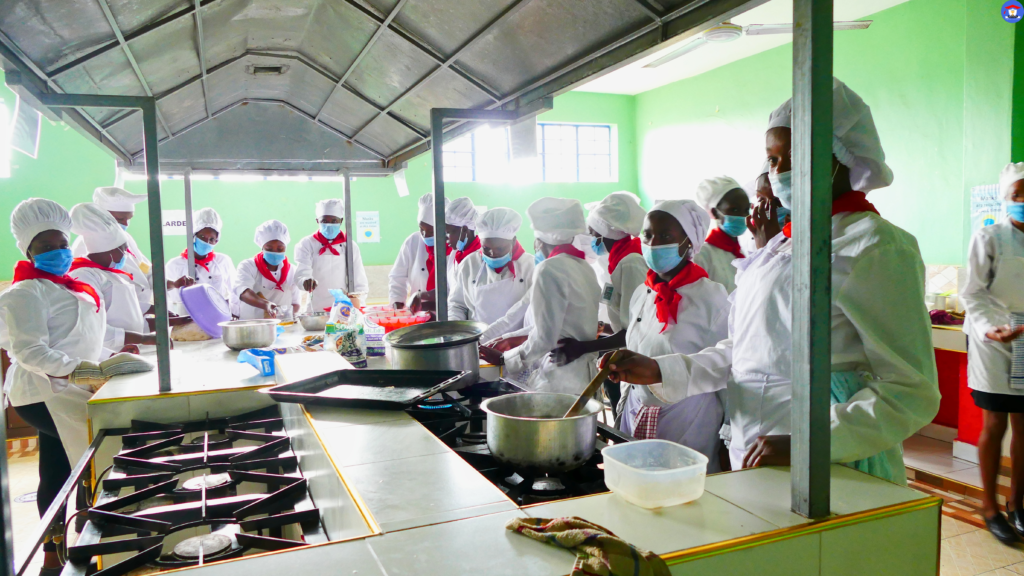
The application of School of Hospitality and Catering examinations serves several important purposes within the field of hospitality and catering education. These examinations play a crucial role in assessing students’ knowledge, skills, and abilities related to various aspects of the industry. Here are some key ways in which these examinations are applied:
- Assessment of Knowledge and Understanding: Examinations in the School of Hospitality and Catering assess students’ comprehension of theoretical concepts, principles, and practices relevant to the industry. This includes topics such as culinary techniques, food safety, hospitality management, event planning, and more.
- Skill Evaluation: Practical examinations evaluate students’ hands-on skills in culinary arts, food preparation, beverage service, event management, and other areas. These assessments ensure that students are capable of applying what they’ve learned in real-world scenarios.
- Quality Assurance: Examinations help ensure the quality and consistency of education within the hospitality and catering programs. By setting standardized assessments, educational institutions can maintain a certain level of proficiency among their students.
- Preparation for Industry Roles: The exams simulate real-world situations that students are likely to encounter in the industry. This prepares them for their future roles by assessing their ability to handle challenges, make decisions, and provide excellent service.
- Certification and Credentialing: Successful completion of hospitality and catering examinations can lead to certifications, diplomas, or degrees that validate a student’s expertise and competence in the field. These credentials can enhance students’ employability and career prospects.
- Feedback for Improvement: Examinations provide feedback to both students and educators. Students can identify areas where they need improvement, while educators can assess the effectiveness of their teaching methods and adjust the curriculum accordingly.
- Demonstration of Mastery: Through examinations, students demonstrate their mastery of essential skills and knowledge. This can be particularly important when seeking employment or advancement within the hospitality and catering industry.
- Professionalism and Ethics: Some examinations in this field also cover topics related to professionalism, ethics, and customer service. These assessments ensure that students understand the importance of ethical conduct and customer satisfaction in the industry.
- Adaptation to Trends: The hospitality and catering industry evolves over time. Examinations can be updated to reflect new trends, technologies, and practices in the field, ensuring that students remain up-to-date.
- Decision-Making Abilities: Many exams present students with scenarios where they need to make informed decisions. This assesses their critical thinking and problem-solving skills, which are highly valuable in the industry.
Overall, the application of School of Hospitality and Catering examinations is essential for creating well-rounded and skilled professionals who are ready to excel in various roles within the industry, whether it’s in culinary arts, event planning, hospitality management, or other related fields.
Case Study on School of Hospitality and Catering Examination
Improving Practical Skills Assessment in a Culinary Program
Background: The School of Hospitality and Catering at “Riverside University” offers a renowned Culinary Arts program. The program focuses on training aspiring chefs in various culinary techniques, food presentation, and kitchen management. The school has been using traditional practical examinations to assess students’ cooking skills. However, faculty members have noticed limitations in this approach.
Challenge: The existing practical examinations primarily consist of preparing a single dish within a fixed time frame. While they assess students’ ability to follow recipes and execute techniques, they lack diversity and fail to mimic real-world kitchen scenarios. Moreover, feedback from industry partners suggests that graduates need to be more adaptable and creative.
Solution: The faculty at Riverside University decided to enhance their practical assessments with a more comprehensive and innovative approach.
- Menu Challenge: Instead of focusing on a single dish, students are now given a menu challenge. They must design a three-course menu that includes an appetizer, a main course, and a dessert. This approach evaluates students’ menu planning, ingredient pairing, and time management skills.
- Mystery Basket: Students are presented with a “mystery basket” of ingredients, simulating a scenario where they need to create dishes on the spot with limited resources. This tests their creativity, adaptability, and problem-solving skills.
- Team Challenge: Collaboration is vital in professional kitchens. Students are grouped and tasked with preparing a multi-course meal as a team. This assesses their ability to communicate, delegate tasks, and work harmoniously under pressure.
- Guest Judging: Faculty invites guest chefs and industry professionals to evaluate students’ dishes, providing real-world feedback and insights.
Benefits: The updated approach to practical examinations has several benefits:
- Real-World Readiness: Students are better prepared for the dynamic and fast-paced culinary industry, where adaptability and creativity are key.
- Holistic Assessment: The new approach assesses a wider range of skills, including menu planning, teamwork, creativity, and communication.
- Industry Alignment: Collaboration with industry professionals ensures that assessments align with industry expectations, enhancing graduates’ employability.
- Engagement: The diverse challenges make examinations more engaging and relevant, increasing student motivation and participation.
- Feedback for Improvement: Feedback from guest judges helps students understand their strengths and areas for growth.
- Innovation: The school’s approach becomes a talking point, attracting students interested in innovative culinary education.
In conclusion, the School of Hospitality and Catering at Riverside University recognized the need to evolve its practical assessments to better prepare students for the challenges of the culinary industry. By implementing a more diverse and industry-aligned approach, they achieved improved student outcomes and strengthened their reputation in culinary education.
White paper on School of Hospitality and Catering Examination
Title: Enhancing Assessment Practices in the School of Hospitality and Catering: A Comprehensive White Paper
Abstract: This white paper explores the evolving landscape of assessment practices within the School of Hospitality and Catering. Recognizing the dynamic nature of the hospitality industry, this paper delves into the importance of designing examinations that effectively evaluate students’ knowledge, skills, and readiness for real-world challenges. By adopting innovative approaches and aligning assessments with industry demands, hospitality and catering education can better equip graduates to excel in their careers.
Table of Contents:
- Introduction
- Overview of the School of Hospitality and Catering
- Significance of Effective Assessment Practices
- Challenges in Assessment
- Traditional Examination Models and Limitations
- The Need for Adaptability and Creativity
- Objectives of Effective Assessments
- Preparing Graduates for Industry Realities
- Assessing Practical Skills and Soft Skills
- Innovative Assessment Approaches
- Case Studies and Scenario-Based Examinations
- Team Challenges and Collaboration Assessment
- Industry Guest Participation in Assessments
- Integrating Technology in Assessments
- Holistic Evaluation of Practical Skills
- Beyond Cooking: Menu Planning and Presentation
- Simulated Real-World Scenarios: Mystery Basket Challenges
- Incorporating Beverage Service and Event Planning
- Feedback and Professional Development
- Incorporating Guest Judges for Constructive Feedback
- Utilizing Assessments for Continuous Improvement
- Industry Alignment and Employability
- Collaborative Relationships with Industry Partners
- Bridging the Gap between Education and Industry Expectations
- Student Engagement and Motivation
- Making Assessments Relevant and Exciting
- Fostering a Positive Learning Environment
- Benefits and Outcomes
- Enhanced Student Readiness for Industry
- Increased Employability and Career Prospects
- Conclusion
- The Evolving Role of Assessments in Hospitality and Catering Education
- Embracing Innovation for Sustainable Excellence
Appendices:
- Sample Assessment Formats: Case Studies, Team Challenges, Mystery Basket Scenarios
- Testimonials from Industry Professionals on the Importance of Effective Assessments
- Student Feedback on Innovative Assessment Practices
Conclusion: The landscape of hospitality and catering education is transforming rapidly, and assessments must keep pace. This white paper emphasizes the need for assessments that encompass practical skills, soft skills, and industry readiness. By embracing innovative approaches and fostering collaborations with industry partners, schools of hospitality and catering can provide students with a comprehensive education that prepares them for the multifaceted challenges of the industry. Through this, they not only enhance students’ academic experiences but also contribute to the growth and success of the broader hospitality sector.
