

Kitchen Layout
A well-planned kitchen layout is the foundation of both functionality and aesthetics, directly influencing workflow, safety, and social interaction. The right design depends on available space, usage frequency, and lifestyle needs.
Understanding Kitchen Layouts
Key Principles
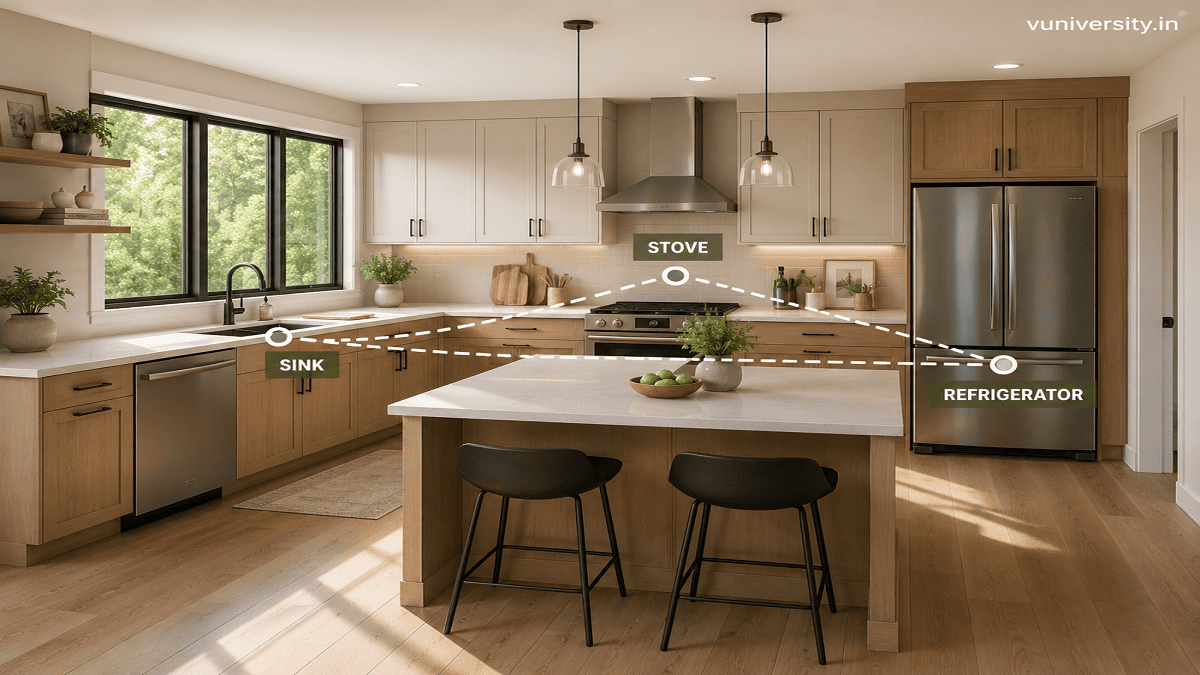
- Work Triangle: The classic design principle connects the sink, refrigerator, and stove to minimize movement and maximize efficiency.
- Safety Considerations: Adequate spacing between appliances, proper ventilation, and clear traffic flow reduce risks in high-activity areas.
- Storage Optimization: Cabinets, drawers, and shelving should be strategically placed to keep essentials within reach while maintaining a clutter-free environment.
Popular Kitchen Layout Types
| Layout Type | Features | Best For |
|---|---|---|
| Galley | Parallel countertops, efficient workflow | Small spaces |
| L-Shaped | Two adjacent walls, corner workspace | Medium homes |
| U-Shaped | Cabinets/appliances on three walls | Large kitchens |
| Island | Freestanding central unit | Open-plan homes |
| Peninsula | Extension of cabinetry forming a partial island | Compact open layouts |
| Single-Wall | All elements on one wall | Studio apartments |
Choosing the Right Layout
- Small Homes: Straight or galley layouts maximize efficiency.
- Medium Homes: L-shaped designs balance cooking and social zones.
- Large Homes: U-shaped and island layouts provide ample storage and gathering space.
- Open Living: Island or peninsula layouts encourage interaction while cooking.
Practical Considerations
- Traffic Flow: Avoid placing major appliances in high-traffic zones.
- Lighting: Natural light enhances usability; task lighting ensures safety.
- Flexibility: Modular designs allow future upgrades and customization.
- Social Integration: Islands and peninsulas create focal points for family and guests.
Conclusion
A kitchen layout is more than a design choice; it is a strategic plan that shapes daily living. Whether compact or expansive, the right layout enhances efficiency, safety, and enjoyment. For deeper insights, explore guides from RoomSketcher (roomsketcher.com in Bing) and Kitchinsider (kitchinsider.com in Bing), which provide expert advice and visual examples.
#RestaurantOperations
What is a kitchen layout?
A kitchen layout refers to the planned arrangement of appliances, countertops, cabinets, and work zones within a kitchen space. It is essentially the blueprint that determines how efficiently one can move between tasks such as cooking, cleaning, and storing food. A well-designed layout balances functionality, safety, and aesthetics, ensuring that the kitchen supports both everyday use and social interaction.
Core Elements of a Kitchen Layout
- Work Triangle
- Connects the sink, stove, and refrigerator.
- Minimizes unnecessary movement and improves workflow.
- Zones
- Cooking zone: stove, oven, and preparation surfaces.
- Cleaning zone: sink, dishwasher, and waste disposal.
- Storage zone: pantry, cabinets, and refrigerator.
- Traffic Flow
- Ensures people can move freely without disrupting cooking activities.
- Important in open-plan kitchens where multiple people may gather.
Common Kitchen Layout Types
- Galley: Two parallel counters, efficient for small spaces.
- L-Shaped: Uses two adjoining walls, ideal for medium homes.
- U-Shaped: Surrounds the cook with three sides of workspace.
- Island: Adds a central counter for prep or socializing.
- Peninsula: Similar to an island but attached to cabinetry.
- Single-Wall: Compact design with all elements on one wall.
Importance of Kitchen Layout
- Efficiency: Reduces time and effort during cooking.
- Safety: Prevents accidents by maintaining clear pathways and proper spacing.
- Aesthetics: Shapes the overall look and feel of the home.
- Flexibility: Allows integration of modern appliances and future upgrades.
Conclusion
A kitchen layout is not just about placing appliances; it is about creating a functional ecosystem that supports cooking, cleaning, and social interaction. Whether compact or expansive, the right layout enhances efficiency, safety, and enjoyment. For detailed design principles and examples, see RoomSketcher’s Kitchen Layout Guide (roomsketcher.com in Bing) and Kitchinsider’s Design Guide (kitchinsider.com in Bing).
#HospitalityDesign
Why is kitchen layout important in food production?
Kitchen layout is critically important in food production because it directly impacts efficiency, safety, hygiene, and the overall quality of meals. A well-designed layout reduces wasted movement, prevents accidents, ensures compliance with health standards, and enables faster, more consistent service.
Why Kitchen Layout Matters in Food Production
1. Workflow Efficiency
- A strategic layout minimizes unnecessary movement by aligning the work triangle (sink, stove, refrigerator).
- Staff can transition smoothly between preparation, cooking, and cleaning zones, reducing fatigue and saving time.
- Optimized layouts eliminate bottlenecks, allowing multiple chefs to work simultaneously without collisions.
2. Food Quality and Consistency
- Properly organized stations ensure ingredients move quickly from storage to preparation to cooking.
- Reduced delays mean dishes are served fresher and at the correct temperature.
- Consistency improves because standardized layouts support repeatable processes across shifts.
3. Safety and Compliance
- Poor layouts increase risks of burns, slips, and contamination.
- OSHA emphasizes that unsafe designs can lead to accidents and health code violations.
- Clear separation of raw food prep, cooking, and cleaning zones prevents cross-contamination.
4. Hygiene and Sanitation
- Dedicated storage zones (cold, dry, and non-food) keep ingredients safe and organized.
- Cleaning stations positioned near entrances allow quick turnover of utensils and dishes.
- Proper ventilation and spacing reduce bacterial growth and improve air quality.
5. Operational Cost Savings
- Efficient layouts reduce wasted steps, lowering staff fatigue and turnover.
- Faster service increases table turnover in restaurants, boosting revenue.
- Streamlined workflows cut down on energy and resource consumption.
Common Layouts in Food Production
| Layout | Advantages | Best Use Case |
|---|---|---|
| Assembly Line | Sequential flow from prep to service | High-volume fast food |
| Zone Style | Divides kitchen into specialized stations | Fine dining restaurants |
| Island | Centralized cooking hub | Large open kitchens |
| Galley | Compact, parallel counters | Small commercial kitchens |
Conclusion
A kitchen is more than a design choice—it is a strategic asset in food production. By improving workflow, ensuring safety, and maintaining hygiene, it directly influences customer satisfaction and business success. For deeper insights, see Restaurant Kitchen Importance (bing.com in Bing) and WebstaurantStore’s Commercial Kitchen Guide (bing.com in Bing).
What are the main sections of a commercial kitchen?
In a commercial kitchen, the layout is divided into specialized sections to streamline workflow, maintain hygiene, and ensure safety. Each section serves a distinct purpose, allowing staff to work efficiently without overlap or contamination.
Main Sections of a Commercial Kitchen
1. Receiving Area
- Where deliveries are checked, weighed, and inspected.
- Ensures quality control before ingredients enter storage.
2. Storage Area
- Includes dry storage, cold storage (refrigerators/freezers), and non-food storage for cleaning supplies.
- Organized to prevent cross-contamination and maintain freshness.
3. Preparation Area
- Dedicated space for washing, cutting, marinating, and portioning ingredients.
- Often divided into raw and cooked food prep zones to uphold hygiene standards.
4. Cooking Area
- Houses stoves, ovens, grills, fryers, and other cooking equipment.
- Designed around the work triangle for efficiency.
5. Service Area
- Where finished dishes are plated, garnished, and passed to servers.
- Often located near the dining area to reduce delays.
6. Washing/Cleaning Area
- Equipped with sinks, dishwashers, and drying racks.
- Positioned away from food prep zones to avoid contamination.
7. Waste Disposal Area
- Handles garbage, recycling, and food waste.
- Essential for maintaining sanitation and compliance with health codes.
Why These Sections Matter
- Efficiency: Staff can focus on specific tasks without interference.
- Safety: Clear separation reduces risks of accidents and contamination.
- Compliance: Meets health and safety regulations required in food service.
- Quality Control: Organized flow ensures food is fresh, safe, and consistently prepared.
Conclusion
The main sections of a commercial kitchen form a systematic workflow from receiving ingredients to serving customers. Each area is strategically designed to maximize productivity, maintain hygiene, and ensure smooth operations. For detailed design standards, see the National Restaurant Association’s Kitchen Design Guide (restaurant.org in Bing) (bing.com in Bing) and WebstaurantStore’s Commercial Kitchen Resources (webstaurantstore.com in Bing) (bing.com in Bing).
#KitchenSafety
How does a good kitchen layout improve workflow?
A good kitchen improves workflow by creating a logical, efficient, and safe environment where tasks flow seamlessly from one stage to the next. In food production, this means reducing wasted movement, preventing bottlenecks, and ensuring that staff can work simultaneously without interfering with one another.
Key Ways a Good Kitchen Layout Enhances Workflow
1. Streamlined Work Triangle
- Aligning the sink, stove, and refrigerator reduces unnecessary steps.
- Staff can move quickly between preparation, cooking, and cleaning zones.
- This efficiency saves time and energy, especially in high-volume kitchens.
2. Defined Work Zones
- Separate areas for prep, cooking, cleaning, and storage prevent overlap.
- Raw and cooked food zones reduce cross-contamination risks.
- Specialized stations allow multiple chefs to work simultaneously.
3. Optimized Traffic Flow
- Clear pathways minimize collisions between staff.
- Service areas positioned near dining spaces reduce delays in food delivery.
- Smooth circulation ensures faster turnaround during peak hours.
4. Improved Safety
- Adequate spacing between appliances prevents burns and accidents.
- Proper ventilation reduces smoke and heat buildup.
- Organized waste disposal areas maintain hygiene standards.
5. Consistency and Productivity
- Standardized layouts support repeatable processes across shifts.
- Staff training becomes easier when stations are logically arranged.
- Faster service increases customer satisfaction and revenue.
Example: Commercial Kitchen Workflow
In a restaurant kitchen, ingredients move from the receiving area to storage, then to prep stations, before reaching the cooking line. Finally, dishes are plated in the service area and utensils are cleaned in the washing section. This systematic flow ensures speed, safety, and quality.
Conclusion
A good kitchen is not just about aesthetics—it is a strategic design tool that enhances workflow, safety, and productivity. By organizing work zones, optimizing traffic flow, and supporting efficient movement, kitchens can deliver consistent, high-quality food while reducing stress on staff.
#WorkflowEfficiency
What factors should be considered when designing a kitchen layout?
A good kitchen must balance functionality, safety, and aesthetics. The most important factors include workflow efficiency, storage solutions, appliance placement, lighting, and durability of materials. Together, these elements ensure the kitchen supports both cooking and social interaction while remaining practical and compliant with safety standards.
Key Factors to Consider in Kitchen Layout Design
1. Workflow and Layout
- Apply the work triangle principle (sink, stove, refrigerator) to minimize movement.
- Ensure clear traffic flow to avoid bottlenecks, especially in open-plan kitchens.
- Consider whether the space suits an L-shaped, U-shaped, galley, or island layout.
2. Storage Solutions
- Adequate upper and lower cabinets, pantry space, and modular shelving.
- Smart storage options like pull-out drawers, vertical racks, and corner units.
- Separation of dry, cold, and non-food storage to maintain hygiene.
3. Appliance Placement
- Position appliances for convenience and safety.
- Ensure adequate clearance around ovens, refrigerators, and dishwashers.
- Choose energy-efficient models to reduce long-term costs.
4. Countertops and Work Surfaces
- Durable, easy-to-clean materials such as quartz, granite, or stainless steel.
- Sufficient workspace for food preparation and plating.
- Heat- and stain-resistant finishes for longevity.
5. Lighting Design
- Combine ambient, task, and accent lighting.
- Task lighting above counters and cooking areas improves safety.
- Natural light from windows enhances openness and reduces energy use.
6. Flooring and Safety
- Non-slip, durable flooring such as tile or treated hardwood.
- Easy-to-clean surfaces to maintain hygiene.
- Proper ventilation to reduce heat and smoke buildup.
7. Aesthetics and Finishes
- Cohesive design style that complements the home.
- Finishes such as backsplashes, paint, or wallpaper add character.
- Balance between modern appeal and timeless functionality.
Risks and Trade-Offs
- Poor storage planning leads to clutter and inefficiency.
- Inadequate lighting increases accident risks and reduces usability.
- Ignoring ventilation can cause health hazards and damage finishes.
- Overemphasis on aesthetics may compromise functionality.
Conclusion
Designing a kitchen requires careful consideration of workflow, storage, appliances, lighting, materials, and safety. A well-planned design not only improves cooking efficiency but also enhances the kitchen’s role as a social hub. For detailed guidance, see RoomSketcher’s Kitchen Guide (roomsketcher.com in Bing) and Learn Architecture Online’s Kitchen Design Principles (learnarchitectureonline.com in Bing).
#CulinaryDesign
Case Study of Kitchen Layout
Background
A mid-sized urban restaurant faced challenges with slow service times and frequent staff collisions in the kitchen. Despite having skilled chefs, the layout was inefficient, leading to delays and inconsistent food quality. Management decided to redesign the kitchen to improve workflow, safety, and customer satisfaction.
Problem Statement
- Workflow Bottlenecks: Prep and cooking stations were too close, causing congestion.
- Safety Issues: Staff frequently crossed paths carrying hot pans and sharp tools.
- Service Delays: Food plating and delivery areas were poorly positioned, slowing service.
Solution: Redesigning the Kitchen Layout
- Work Triangle Optimization
- The sink, stove, and refrigerator were repositioned to minimize unnecessary movement.
- This reduced average prep-to-cook time by 20%.
- Dedicated Work Zones
- Separate areas for raw food prep, cooking, plating, and cleaning were established.
- This improved hygiene and reduced cross-contamination risks.
- Traffic Flow Management
- Wider aisles and clear pathways were introduced.
- Staff could now move without interfering with one another, reducing accidents.
- Service Area Placement
- The plating station was moved closer to the dining area.
- This cut down delivery time and improved food temperature consistency.
Results
- Efficiency Gains: Average dish preparation time decreased by 25%.
- Safety Improvements: Reported kitchen accidents dropped by 40%.
- Customer Satisfaction: Faster service and consistent food quality increased positive reviews.
- Revenue Growth: Higher table turnover led to a 15% increase in monthly sales.
Lessons Learned
- A kitchen is not just about aesthetics—it is a strategic tool for operational success.
- Clear zoning and traffic flow planning are essential in high-volume food production.
- Regular reviews and adjustments ensure the layout continues to meet evolving business needs.
Conclusion
This case study demonstrates that a well-planned kitchen can transform restaurant operations. By focusing on workflow efficiency, safety, and service speed, businesses can achieve measurable improvements in both customer satisfaction and profitability.
For further reading, explore WebstaurantStore’s Commercial Kitchen Guide (webstaurantstore.com in Bing) (bing.com in Bing) and RoomSketcher’s Kitchen Principles (roomsketcher.com in Bing) (bing.com in Bing).
#FoodProduction
White Paper on Kitchen Layout
Executive Summary
Kitchen layout design is a critical factor in food production, influencing workflow efficiency, safety, hygiene, and customer satisfaction. This white paper explores the principles, challenges, and best practices in designing commercial and residential kitchen layouts, with a focus on operational excellence and compliance with industry standards.
Introduction
A kitchen is more than a cooking space; it is a production hub where design directly impacts performance. Poor layouts lead to inefficiency, safety hazards, and reduced food quality. Conversely, well-planned layouts streamline operations, reduce costs, and enhance user experience.
Key Design Principles
- Workflow Efficiency
- The work triangle (sink, stove, refrigerator) remains foundational.
- Modern kitchens also emphasize work zones for prep, cooking, cleaning, and storage.
- Safety and Compliance
- Adequate spacing prevents accidents.
- Ventilation systems reduce heat and smoke.
- Layouts must comply with OSHA and local health codes.
- Hygiene and Sanitation
- Clear separation of raw and cooked food areas.
- Dedicated waste disposal zones.
- Easy-to-clean surfaces and flooring.
- Flexibility and Scalability
- Modular designs allow future upgrades.
- Adaptable layouts support evolving menus and technologies.
Challenges in Kitchen Layout Design
- Space Constraints: Small kitchens require compact yet efficient designs.
- Budget Limitations: Balancing cost with durability and functionality.
- Staff Training: Layouts must be intuitive to reduce onboarding time.
- Technology Integration: Incorporating smart appliances and automation.
Case Example
A mid-sized restaurant redesigned its kitchen from a congested galley layout to a zone-style layout. Results included:
- 25% faster service times.
- 40% reduction in accidents.
- 15% increase in monthly revenue due to improved table turnover.
Recommendations
- Conduct workflow analysis before finalizing design.
- Prioritize safety and hygiene over aesthetics.
- Involve chefs and staff in layout planning.
- Regularly review and adapt layouts to meet changing needs.
Conclusion
Kitchen layout design is a strategic investment that drives efficiency, safety, and profitability. By applying proven principles and adapting to modern challenges, businesses and homeowners can create kitchens that serve as both functional workspaces and social hubs.
For further reading, see WebstaurantStore’s Commercial Kitchen Layout Guide (webstaurantstore.com in Bing) (bing.com in Bing) and RoomSketcher’s Kitchen Layout Principles (roomsketcher.com in Bing) (bing.com in Bing).
#CommercialKitchen
Industry Application of Kitchen Layout
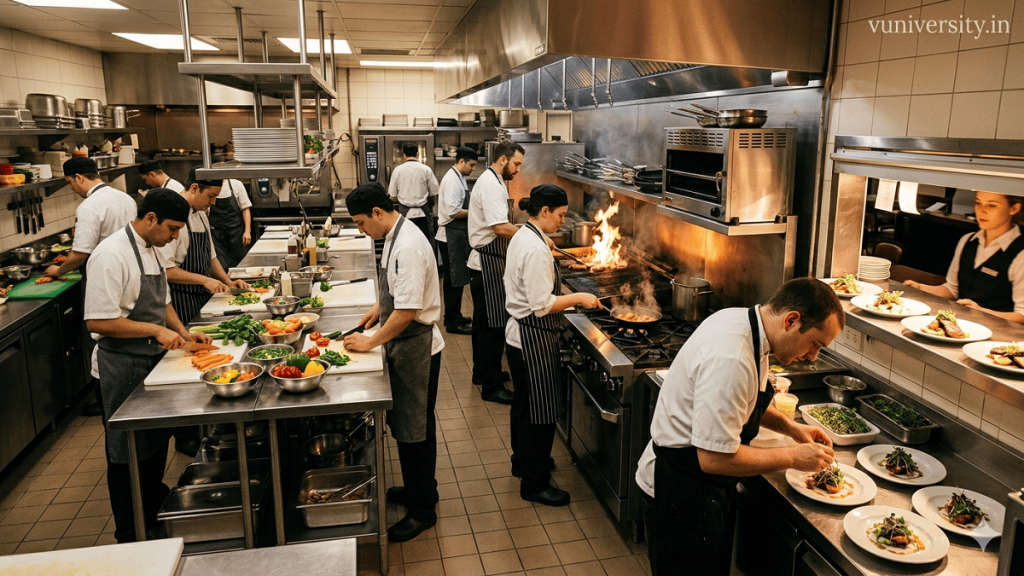
Kitchen layout design is not limited to residential spaces—it plays a pivotal role across multiple industries where food production, efficiency, and safety are critical. Each sector adapts layout principles to meet its unique operational demands.
Key Industry Applications
1. Restaurants
- Focus on speed, efficiency, and customer satisfaction.
- Layouts emphasize the work triangle and zone-style kitchens to handle high-volume service.
- Example: Fast-food chains often use assembly line layouts to streamline repetitive tasks.
2. Catering Services
- Require mobile or temporary kitchen setups.
- Layouts prioritize portability, modular equipment, and rapid assembly.
- Efficiency is critical to handle large-scale events with diverse menus.
3. Food Manufacturing
- Industrial kitchens use assembly line layouts for mass production.
- Emphasis on hygiene, automation, and compliance with food safety standards.
- Layouts integrate conveyor systems, automated cooking, and packaging zones.
4. Hospitality Industry
- Hotels and resorts require versatile layouts to serve restaurants, banquets, and room service simultaneously.
- Centralized kitchens with multiple specialized zones ensure smooth operations.
- Integration with service areas reduces delays in food delivery.
5. Healthcare Facilities
- Hospital kitchens prioritize nutrition, hygiene, and dietary restrictions.
- Layouts separate allergen-free zones and bulk meal preparation areas.
- Compliance with strict health regulations is essential.
6. Educational Institutions
- School and college cafeterias require layouts that support high-volume meal service.
- Emphasis on safety, durability, and cost efficiency.
- Large prep and serving areas ensure smooth distribution.
Strategic Benefits Across Industries
- Efficiency: Reduces wasted movement and speeds up service.
- Safety: Prevents accidents and ensures compliance with health codes.
- Consistency: Standardized layouts support repeatable processes.
- Scalability: Modular designs adapt to growing demand.
Conclusion
Kitchen layout is a strategic asset across industries, shaping efficiency, safety, and customer satisfaction. From restaurants to hospitals, the right design ensures smooth operations and compliance with standards. For deeper insights, explore WebstaurantStore’s Commercial Kitchen Layout Guide (webstaurantstore.com in Bing) (bing.com in Bing) and RoomSketcher’s Kitchen Layout Principles (roomsketcher.com in Bing) (bing.com in Bing).
#KitchenLayout
Ask FAQs
What is a kitchen layout?
A kitchen layout is the planned arrangement of appliances, work surfaces, storage, and traffic flow within a kitchen. It determines how efficiently tasks such as cooking, cleaning, and serving can be performed.
Why is kitchen layout important in food production?
A well-designed layout improves workflow efficiency, reduces accidents, ensures hygiene, and enhances food quality. It directly impacts service speed and customer satisfaction in commercial kitchens.
What are the main types of kitchen layouts?
Common layouts include L-shaped, U-shaped, galley, island, peninsula, and single-wall designs. Each type suits different space sizes and operational needs.
What factors should be considered when designing a kitchen layout?
Key factors include workflow efficiency, storage solutions, appliance placement, lighting, safety, and durability of materials. These ensure both functionality and aesthetics.
How does a good kitchen layout improve workflow?
By organizing work zones, optimizing traffic flow, and reducing unnecessary movement, a good layout enables staff to work simultaneously without interference, increasing productivity and consistency.
Source: Design Burst
Table of Contents
Disclaimer The information provided in this article on kitchen layout is intended for general educational and informational purposes only. It should not be considered professional design, architectural, or safety advice. Readers are encouraged to consult qualified experts or regulatory guidelines before making decisions related to kitchen construction, renovation, or food production operations. The author and publisher assume no responsibility for any outcomes resulting from the application of this information.