Cooking Techniques
Cooking techniques can be broadly categorized into dry heat, moist heat, and combination methods. Each approach influences food differently, and choosing the right one depends on the ingredient and desired outcome.
1. Dry Heat Cooking
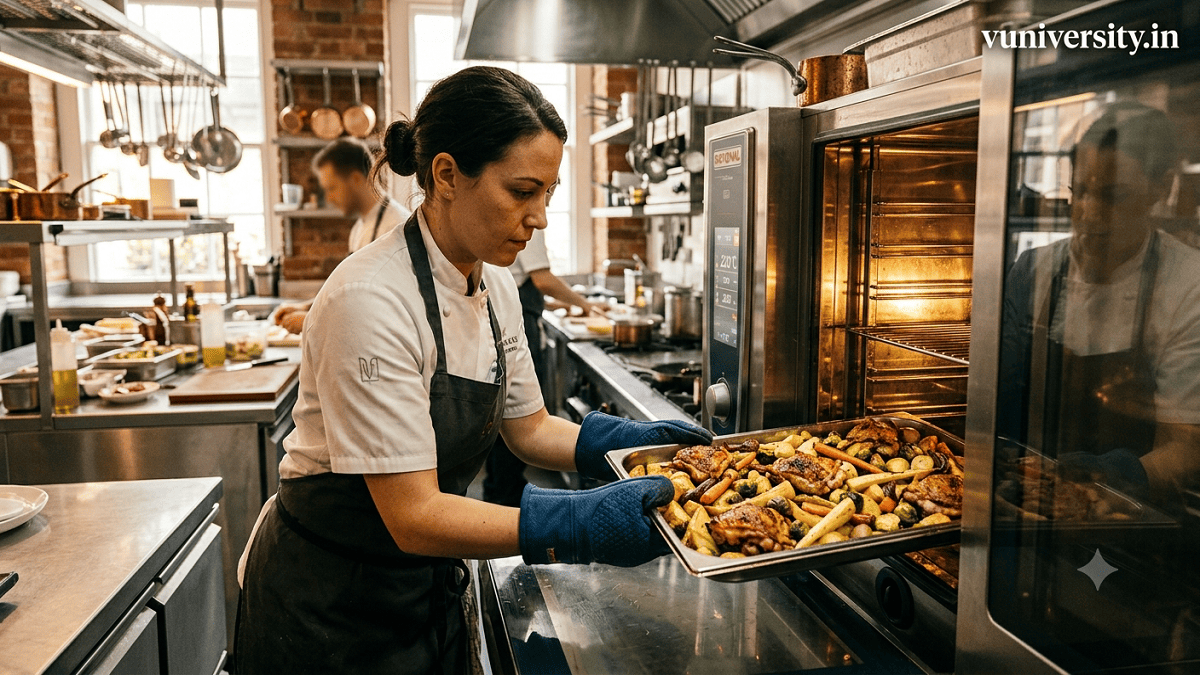
- Roasting and Baking: Use oven heat to caramelize and develop flavors. Roasting is ideal for meats and vegetables, while baking is essential for bread and pastries.
- Grilling and Broiling: Apply direct heat for smoky or charred flavors. Grilling uses heat from below, while broiling applies it from above.
- Sautéing and Stir-Frying: Quick cooking with minimal oil at high temperatures, preserving nutrients and color.
2. Moist Heat Cooking
- Boiling and Simmering: Cook food in water or broth. Boiling is vigorous, while simmering is gentler, ideal for soups and stews.
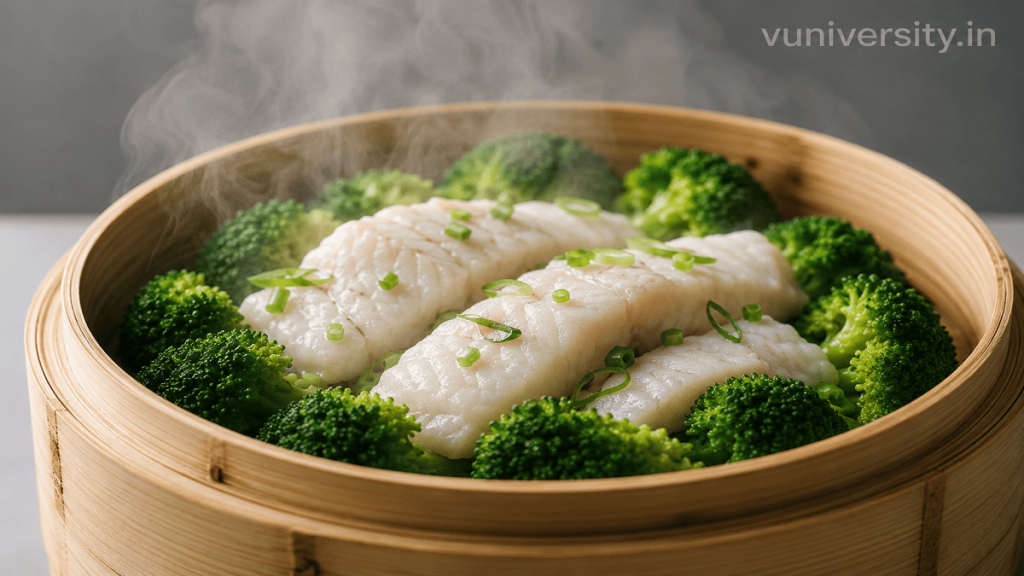
- Steaming and Poaching: Gentle methods that preserve delicate textures and nutrients. Steaming suits vegetables and fish, while poaching is common for eggs and poultry.
3. Combination Cooking
- Braising and Stewing: Begin with searing (dry heat) and finish with slow cooking in liquid (moist heat). These methods tenderize tough cuts of meat and build deep flavors.
Importance of Cooking Techniques
- Flavor Development: Techniques like roasting or caramelizing enhance natural sweetness and complexity.
- Texture Control: Frying creates crispness, while steaming maintains tenderness.
- Nutritional Impact: Steaming retains vitamins better than boiling, while grilling reduces fat content in meats.
- Efficiency and Safety: Proper techniques ensure food is cooked evenly, reducing risks of foodborne illness.
Practical Applications
- Home Cooking: Understanding when to sauté versus simmer helps balance speed and flavor.
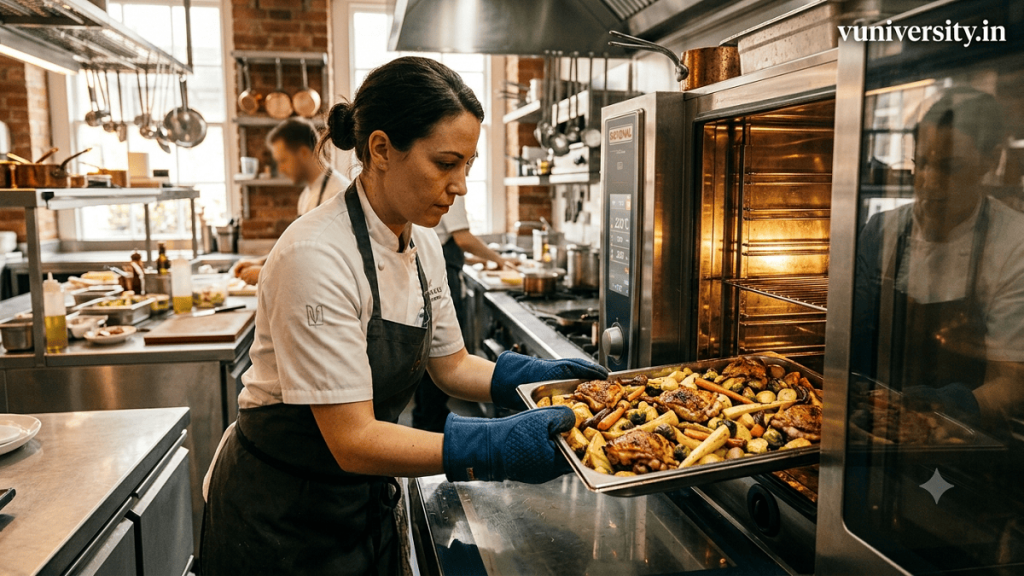
- Professional Kitchens: Standardized techniques ensure consistency across large-scale operations.
- Global Cuisine: Techniques vary culturally—wok-based stir-frying in Asia, slow braising in French cuisine, or tandoor roasting in Indian cooking.
Conclusion
Cooking techniques are more than mechanical processes; they are the language of cuisine. By mastering dry, moist, and combination methods, cooks can unlock creativity, efficiency, and nutritional balance in their dishes. For a deeper dive into specific methods, resources like KitchenSanity’s guide to cooking techniques (kitchensanity.com in Bing) provide comprehensive explanations and practical tips.
#CulinaryInnovation
What are cooking techniques?
Categories of Cooking Techniques
1. Dry Heat Methods
These techniques use air or fat to transfer heat without moisture.
- Roasting and Baking: Cooking in an oven, ideal for meats, bread, and pastries.
- Grilling and Broiling: Direct heat application for smoky or charred flavors.
- Sautéing and Stir-Frying: Quick cooking in a small amount of fat at high heat.
2. Moist Heat Methods
These rely on water, steam, or broth to cook food.
- Boiling and Simmering: Cooking in liquid at different intensities.
- Steaming: Gentle cooking that preserves nutrients and texture.
- Poaching: Submerging food in liquid at low temperatures, often used for eggs or fish.
3. Combination Methods
These blend dry and moist heat.
- Braising: Searing food first, then cooking slowly in liquid.
- Stewing: Similar to braising but with smaller cuts of food fully submerged in liquid.
Importance of Cooking Techniques
- Flavor Development: Techniques like caramelization and Maillard reaction enhance taste.
- Texture Control: Frying creates crispness, while steaming maintains tenderness.
- Nutritional Impact: Steaming retains vitamins better than boiling.
- Consistency: Standardized techniques ensure uniform results in professional kitchens.
Practical Applications
Cooking techniques are applied differently across cultures. For example, stir-frying is central to Asian cuisine, braising is a hallmark of French cooking, and tandoor roasting defines Indian culinary tradition. Mastery of these methods allows chefs to innovate while maintaining food safety and efficiency.
Conclusion
Cooking techniques are not just mechanical processes; they are the art and science of cuisine. By understanding dry, moist, and combination methods, cooks can elevate ingredients into dishes that balance flavor, nutrition, and presentation. For a deeper exploration, you can refer to resources like BBC Good Food’s guide to cooking methods (bbcgoodfood.com in Bing) or The Spruce Eats overview of cooking techniques (thespruceeats.com in Bing).
#FoodScience
Why are different cooking techniques used in food preparation?
Why Cooking Techniques Vary
1. Flavor Development
- Techniques like searing, roasting, and grilling trigger the Maillard reaction, producing complex flavors and aromas.
- Moist methods such as poaching or steaming preserve delicate flavors without overpowering them.
- For example, seared meat develops a savory crust, while poached fish retains subtle freshness.
2. Texture Control
- Dry heat methods (grilling, frying) create crisp exteriors.
- Moist heat methods (boiling, stewing) soften fibers, making tough cuts tender.
- Combination methods like braising balance both, producing rich, tender dishes.
3. Nutritional Impact
- Steaming retains more vitamins compared to boiling.
- Grilling reduces fat content in meats, while frying increases calorie density.
- Choosing the right method helps balance taste with health benefits.
4. Cultural and Culinary Diversity
- Different cuisines emphasize distinct techniques:
- Stir-frying in Asian cooking for speed and freshness.
- Slow braising in French cuisine for depth of flavor.
- Tandoor roasting in Indian cuisine for smoky, charred notes.
- These traditions highlight how techniques shape identity and authenticity in food.
5. Efficiency and Safety
- Proper cooking ensures food reaches safe internal temperatures, reducing risks of foodborne illness.
- Techniques like blanching also extend shelf life by halting enzyme activity in vegetables.
Practical Examples
| Technique | Effect on Food | Best For |
|---|---|---|
| Grilling | Smoky flavor, crisp texture | Meats, vegetables |
| Steaming | Nutrient retention, tenderness | Fish, greens |
| Braising | Deep flavor, tender meat | Tough cuts, stews |
| Sautéing | Quick cooking, vibrant color | Vegetables, lean meats |
| Blanching | Preserves color, halts enzymes | Vegetables before freezing |
Conclusion
Different cooking techniques are essential because they allow chefs to control flavor, texture, nutrition, and safety while reflecting cultural traditions. Mastery of these methods enables cooks to adapt ingredients to diverse dishes and dietary needs. For a comprehensive overview, see guides like BBC Good Food’s cooking methods (bbcgoodfood.com in Bing) or HowToCook.Recipes’ culinary techniques (howtocook.recipes in Bing) for practical insights.
#CombinationCooking
What is the difference between dry heat and moist heat cooking methods?
The key difference between dry heat and moist heat cooking methods lies in the medium used to transfer heat: dry heat relies on air, fat, or metal surfaces, while moist heat uses water or steam. This distinction directly impacts flavor, texture, and nutritional outcomes in food preparation.
Dry Heat Cooking Methods
Dry heat cooking involves applying heat without added moisture.
- Techniques: Roasting, Baking, Grilling, Broiling, Sautéing, Frying.
- Heat Transfer Medium: Hot air, fat, or direct contact with heated surfaces.
- Temperature Range: Can exceed 400°F (204°C), enabling browning and caramelization.
- Effects on Food:
- Promotes the Maillard reaction, creating complex flavors and a browned crust.
- Ideal for foods where crispness, smokiness, or caramelization is desired (e.g., meats, bread, roasted vegetables).
- Limitations: Can dry out delicate foods if not monitored carefully.
Moist Heat Cooking Methods
Moist heat cooking uses water, broth, or steam to transfer heat.
- Techniques: Boiling, Simmering, Poaching, Steaming, Braising.
- Heat Transfer Medium: Liquid or steam.
- Temperature Range: Capped at 212°F (100°C) at sea level, preventing browning.
- Effects on Food:
- Gentle cooking that preserves moisture and tenderness.
- Breaks down collagen in tough cuts of meat, making them tender.
- Retains delicate flavors and nutrients, especially in vegetables and fish.
- Limitations: Cannot produce crust or caramelization.
Comparison Table
| Aspect | Dry Heat Cooking | Moist Heat Cooking |
|---|---|---|
| Medium | Air, fat, or metal surfaces | Water, broth, or steam |
| Temperature | Up to 400°F+ (204°C+) | Max 212°F (100°C) |
| Flavor Impact | Browning, caramelization, smoky notes | Gentle flavors, nutrient retention |
| Texture | Crisp, firm, charred | Tender, moist |
| Best For | Meats, baked goods, roasted vegetables | Fish, grains, soups, stews |
Conclusion
Dry heat methods excel at developing flavor and crisp textures, while moist heat methods are best for tenderizing and preserving nutrients. Professional chefs often combine both—for example, braising begins with searing (dry heat) and finishes with simmering (moist heat). Understanding these differences helps cooks select the right method for each ingredient and desired outcome.
#MoistHeatCooking
How do cooking techniques affect the taste and texture of food?
How Cooking Techniques Affect Taste
1. Maillard Reaction
- Dry heat methods such as roasting, grilling, and searing trigger the Maillard reaction, producing complex savory flavors and appealing aromas.
- Example: A seared steak develops a rich crust that contrasts with its juicy interior.
2. Caramelization
- High heat transforms sugars into sweet, nutty flavors.
- Example: Roasted root vegetables become naturally sweeter and more flavorful.
3. Flavor Preservation
- Gentle moist heat methods like steaming or poaching retain delicate flavors.
- Example: Steamed fish maintains its subtle taste compared to fried fish.
How Cooking Techniques Affect Texture
1. Crispness and Firmness
- Frying and grilling create crunchy exteriors while keeping interiors moist.
- Example: Fried chicken offers a crisp crust with tender meat inside.
2. Tenderization
- Moist heat methods like braising and stewing break down collagen in meat, making tough cuts soft and flavorful.
- Example: Slow-cooked lamb shanks become fork-tender.
3. Moisture Retention
- Techniques like sous vide cook food evenly at controlled temperatures, locking in juices.
- Example: Sous vide chicken remains consistently moist compared to oven-baked chicken.
Practical Examples
| Technique | Taste Impact | Texture Impact | Best For |
|---|---|---|---|
| Grilling | Smoky, charred flavor | Crisp exterior | Meats, vegetables |
| Steaming | Preserves natural flavor | Tender, moist | Fish, greens |
| Braising | Deep, rich flavor | Soft, tender | Tough meats |
| Frying | Savory, enhanced flavor | Crunchy crust | Chicken, potatoes |
| Roasting | Sweetness via caramelization | Firm outside, soft inside | Vegetables, bread |
Conclusion
Cooking techniques are not interchangeable—they determine whether food is crisp, tender, sweet, or savory. Dry heat methods enhance flavor through browning and caramelization, while moist heat methods preserve tenderness and nutrients. Chefs often combine techniques (e.g., searing then braising) to balance taste and texture.
#DryHeatCooking
What safety measures should be followed during cooking?
Cooking safety measures are essential to prevent accidents, foodborne illnesses, and fires in both home and professional kitchens. The most critical steps include maintaining hygiene, preventing cross-contamination, cooking food thoroughly, and ensuring safe handling of equipment.
Key Safety Measures in Cooking
1. Personal Hygiene
- Wash hands thoroughly before and after handling food.
- Keep hair tied back and avoid loose clothing that can catch fire.
- Do not cook if feeling unwell, tired, or under the influence of alcohol.
2. Food Safety Practices
- Cook food to safe internal temperatures (at least 70°C for meats and poultry).
- Eat cooked foods immediately; avoid leaving them at room temperature.
- Store perishable items at correct refrigeration temperatures to prevent bacterial growth.
- Avoid cross-contamination by using separate cutting boards for raw meat and vegetables.
3. Kitchen Environment Safety
- Never leave cooking food unattended, especially when frying or grilling.
- Wipe spills immediately to prevent slips and falls.
- Keep knives sharp and stored safely out of children’s reach.
- Ensure proper ventilation when using gas stoves to avoid carbon monoxide buildup.
4. Fire Prevention
- Keep a fire extinguisher in the kitchen and know how to use it.
- Do not wear loose sleeves near open flames.
- Never use the oven or stove to heat the kitchen.
- Be cautious with oil—never add water to an oil fire.
5. Appliance and Equipment Safety
- Follow manufacturer’s instructions for appliances.
- Regularly check cords and plugs for damage.
- Use oven mitts when handling hot pans or trays.
- Keep electrical appliances away from water sources.
Practical Framework: The Four C’s of Food Safety
According to NHS Inform, safe cooking revolves around four principles:
- Cleaning: Hands, surfaces, and utensils must be sanitized.
- Cooking: Ensure food is cooked thoroughly to kill harmful bacteria.
- Chilling: Store foods at safe temperatures to prevent bacterial growth.
- Cross-Contamination Prevention: Keep raw and cooked foods separate.
Conclusion
Cooking safety is about protecting health and preventing accidents. By combining personal hygiene, proper food handling, safe kitchen practices, and fire prevention, both home cooks and professionals can create a secure environment. For detailed guidelines, see the WHO Golden Rules for Safe Food Preparation (paho.org in Bing) (bing.com in Bing) and 18 Kitchen Safety Tips from Occupational Health and Safety Blog (ohsonline.com in Bing) (bing.com in Bing).
#KitchenSafety
Case Study of Cooking Techniques
Cooking techniques are not just mechanical processes; they are strategic tools that chefs use to achieve consistency, flavor, and efficiency. This case study explores how different methods are applied in a professional catering environment to highlight their impact on taste, texture, and safety.
Background
A large-scale catering company preparing meals for a corporate event with 500 guests faced the challenge of delivering diverse dishes that maintained quality despite high volume. The menu included roasted chicken, steamed vegetables, braised lamb shanks, and sautéed greens.
Techniques Applied
1. Roasting
- Application: Whole chickens were roasted at high temperatures.
- Impact: The dry heat promoted the Maillard reaction, creating a golden-brown crust and deep flavor.
- Outcome: Guests praised the balance of crisp skin and juicy meat.
2. Steaming
- Application: Seasonal vegetables were steamed in industrial steamers.
- Impact: Nutrients and vibrant colors were preserved, ensuring freshness.
- Outcome: The vegetables retained tenderness without becoming soggy.
3. Braising
- Application: Lamb shanks were first seared, then slow-cooked in broth.
- Impact: Combination cooking broke down collagen, producing tender meat with rich flavor.
- Outcome: The dish became the highlight of the event, appreciated for its depth and texture.
4. Sautéing
- Application: Spinach and kale were quickly sautéed with garlic.
- Impact: High heat preserved vibrant color and added aromatic flavor.
- Outcome: The greens provided a light, flavorful contrast to heavier dishes.
Lessons Learned
- Efficiency: Using the right technique for each ingredient ensured timely preparation without compromising quality.
- Consistency: Standardized methods allowed multiple chefs to produce uniform results across hundreds of servings.
- Nutrition: Steaming and sautéing preserved vitamins, while braising enhanced flavor without excessive fat.
- Safety: Proper temperature control prevented foodborne risks, especially in bulk cooking.
Conclusion
This case study demonstrates that cooking techniques are not interchangeable—they are carefully chosen to balance flavor, texture, nutrition, and efficiency. By applying roasting, steaming, braising, and sautéing strategically, the catering team delivered high-quality meals at scale.
#FoodPreparation
White Paper on Cooking Techniques
Executive Summary
Cooking techniques are fundamental to the culinary arts, shaping flavor, texture, nutrition, and safety. This paper examines the science behind dry heat, moist heat, and combination methods, their cultural significance, and their application in both home and industrial kitchens. By understanding these processes, food professionals can optimize efficiency, consistency, and innovation.
Introduction
Cooking is more than heating food—it is a controlled transformation of raw ingredients into palatable, safe, and nutritious meals. Techniques vary across cultures and contexts, but they share the common goal of enhancing sensory qualities while ensuring food safety.
Categories of Cooking Techniques
1. Dry Heat Methods
- Examples: Roasting, baking, grilling, broiling, sautéing, frying.
- Mechanism: Heat transfer via air, fat, or direct contact.
- Impact: Promotes browning and caramelization, enhancing flavor and texture.
2. Moist Heat Methods
- Examples: Boiling, simmering, steaming, poaching.
- Mechanism: Heat transfer via water or steam.
- Impact: Preserves tenderness and nutrients, ideal for delicate foods.
3. Combination Methods
- Examples: Braising, stewing.
- Mechanism: Begins with dry heat (searing) followed by moist heat (slow cooking in liquid).
- Impact: Breaks down collagen in meats, producing rich flavors and tender textures.
Strategic Importance
- Flavor Development: Techniques like searing trigger the Maillard reaction, creating complex savory notes.
- Texture Control: Frying yields crispness, while steaming ensures softness.
- Nutritional Preservation: Steaming retains vitamins better than boiling.
- Safety: Proper cooking eliminates pathogens, reducing foodborne illness risks.
- Cultural Identity: Techniques define cuisines—stir-frying in Asia, braising in France, tandoor roasting in India.
Case Application
In large-scale catering, roasting ensures uniformity across hundreds of servings, steaming preserves nutrients in bulk vegetables, and braising transforms tough cuts into premium dishes. These techniques balance efficiency with quality, proving essential in industrial food preparation.
Conclusion
Cooking techniques are the intersection of science, art, and culture. Mastery of dry, moist, and combination methods empowers chefs and food technologists to innovate while maintaining safety and nutritional integrity.
#CulinaryArts
Industry Application of Cooking Techniques
Cooking techniques are not only central to culinary artistry but also play a critical role in the food industry, where efficiency, consistency, safety, and scalability are paramount. Their application extends across restaurants, catering services, food manufacturing, and hospitality operations, ensuring that meals meet both consumer expectations and regulatory standards.
1. Restaurants and Fine Dining
- Application: Techniques like sous vide, searing, and roasting are used to deliver precise flavors and textures.
- Impact: Consistency across dishes ensures customer satisfaction and brand reputation.
- Example: Sous vide cooking allows chefs to maintain exact doneness in meats, reducing waste and enhancing quality.
2. Catering and Large-Scale Food Production
- Application: Methods such as steaming, braising, and roasting are adapted for bulk preparation.
- Impact: Ensures efficiency and uniformity across hundreds of servings.
- Example: Industrial steamers preserve nutrients and color in vegetables while enabling rapid service.
3. Food Manufacturing
- Application: Techniques like blanching, pasteurization, and frying are integrated into automated processes.
- Impact: Extends shelf life, ensures food safety, and maintains product quality.
- Example: Blanching vegetables before freezing halts enzyme activity, preserving texture and color.
4. Hospitality and Institutional Kitchens
- Application: Combination methods such as braising and stewing are used to prepare cost-effective, flavorful meals.
- Impact: Balances nutrition, taste, and budget constraints in schools, hospitals, and hotels.
- Example: Stewing large batches of legumes provides protein-rich meals at scale.
5. Global Culinary Innovation
- Application: Fusion cuisines rely on blending techniques from different cultures.
- Impact: Expands market appeal and introduces new flavor profiles.
- Example: Asian stir-frying combined with Western roasting creates hybrid dishes that appeal to diverse audiences.
Conclusion
Cooking techniques in industry are more than culinary choices—they are operational strategies. By leveraging dry heat, moist heat, and combination methods, businesses achieve efficiency, safety, and innovation. Whether in fine dining or mass production, these techniques ensure food meets both sensory and regulatory standards.
#CookingTechniques
Ask FAQs
What are cooking techniques?
Cooking techniques are standardized methods of applying heat to food, such as roasting, steaming, or braising, which determine flavor, texture, and nutritional outcomes.
Why are different cooking techniques used?
Different techniques are chosen to achieve specific results—crispness, tenderness, flavor development, or nutrient preservation—depending on the ingredient and desired dish.
What is the difference between dry heat and moist heat cooking?
Dry heat methods (roasting, grilling, frying) use air or fat to transfer heat, creating browning and crisp textures. Moist heat methods (boiling, steaming, poaching) use water or steam, producing tender and moist results.
How do cooking techniques affect taste and texture?
Techniques influence chemical reactions like the Maillard reaction and caramelization, which enhance flavor, while also controlling texture—whether crisp, firm, or tender.
What safety measures should be followed during cooking?
Key measures include maintaining hygiene, preventing cross‑contamination, cooking food to safe temperatures, handling equipment properly, and practicing fire prevention.
Source: Jacob Burton
Table of Contents
Disclaimer The information provided in this article is intended for educational and informational purposes only. While every effort has been made to ensure accuracy, cooking methods and food safety practices may vary depending on equipment, ingredients, and individual skill levels. Readers are encouraged to follow recognized food safety guidelines and consult reliable sources such as the World Health Organization or USDA Food Safety for detailed instructions. The author assumes no responsibility for outcomes resulting from the application of techniques described herein.