


Quantity Food Production
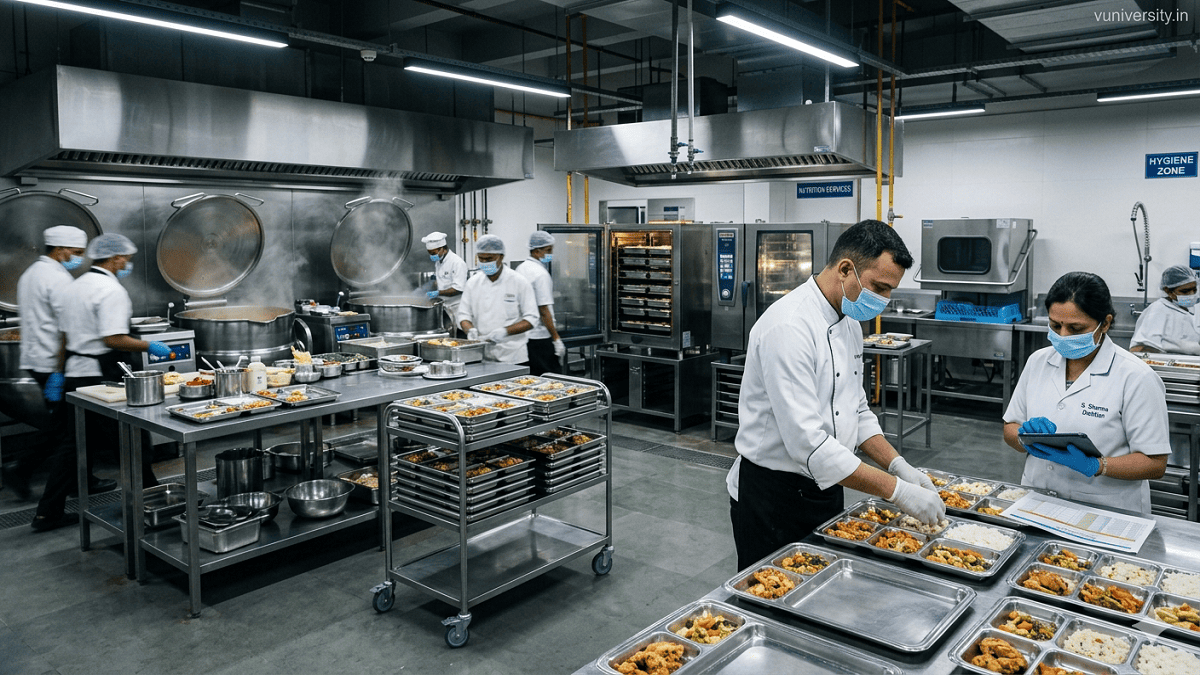
Quantity food production is the process of preparing food for 25 or more consumers at a time. It is widely practiced in schools, hospitals, military kitchens, banquets, and large catering events. Unlike household cooking, it requires specialized planning, equipment, and trained staff to ensure meals are safe, nutritious, and appealing.
Key Objectives
- Food Safety: Prevent contamination from biological, chemical, or physical hazards. Proper hygiene and storage practices are essential.
- Nutritional Quality: Retain nutrients through careful cooking methods and portion control.
- Consistency & Appearance: Meals must look and taste uniform across hundreds of servings.
- Cost Efficiency: Operations balance quality with budget constraints, often using bulk purchasing and standardized recipes.
- Digestibility & Flavor: Food should be easy to consume and flavorful, even when prepared in large batches.
Systems of Quantity Food Production
Quantity food production can be classified into three systems:
- Commercial: Restaurants, hotels, and catering businesses where profitability is key.
- Non‑Commercial (Institutional): Schools, hospitals, and corporate cafeterias focused on service rather than profit.
- Military: Large-scale operations designed to feed personnel efficiently and consistently.
Essential Equipment
Large-scale cooking requires specialized equipment:
- Heavy-duty appliances: Tilt pans, steamers, industrial pressure cookers, and high-pressure gas burners.
- Medium-duty tools: Deep fryers, induction pans, mixers, and blenders.
- Light-duty tools: Strainers, chopping boards, rolling pins, and ladles for portioning. Proper maintenance of equipment is critical to ensure safety and efficiency.
Challenges in Quantity Food Production
- Forecasting demand: Accurate estimation of portions prevents waste and shortages.
- Waste management: Large kitchens must handle disposal efficiently to remain sustainable.
- Labor management: Skilled staff are required to maintain consistency and safety standards.
- Foodborne illness risks: With large volumes, contamination can affect hundreds of people if safety protocols fail. According to the World Health Organization, unsafe food causes over 200 diseases globally, highlighting the importance of strict hygiene.
Conclusion
Quantity food production is a cornerstone of modern food service, ensuring large groups are fed safely, nutritiously, and cost-effectively. Whether in a school cafeteria or a banquet hall, success depends on planning, equipment, skilled labor, and strict adherence to food safety standards. For deeper insights, you can explore resources such as WHO Food Safety (who.int in Bing) and SlideShare on Quantity Cookery.
#MilitaryFoodProduction
What is quantity food production?
Quantity food production is the large-scale preparation and service of meals designed to feed many people at once, typically in institutions such as schools, hospitals, military facilities, and catering operations. Unlike household cooking, it requires specialized planning, equipment, and standardized procedures to ensure food is safe, nutritious, and consistent across hundreds or even thousands of servings.
Core Characteristics of Quantity Food Production
- Food safety: Strict hygiene practices are essential to prevent contamination. Large kitchens must follow protocols for storage, cooking temperatures, and handling.
- Standardization: Recipes and portion sizes are standardized to maintain consistency in taste, appearance, and nutrition.
- Efficiency: Operations rely on bulk purchasing, specialized equipment, and trained staff to maximize productivity while minimizing waste.
- Nutrition: Meals must meet dietary requirements, especially in hospitals and schools, where balanced nutrition is critical.
- Cost control: Large-scale production balances quality with budget constraints, often using forecasting to avoid shortages or excess.
Systems of Quantity Food Production
Quantity food production is generally divided into three systems:
- Commercial: Restaurants, hotels, and catering businesses where profitability is the primary goal.
- Non-commercial: Institutions such as schools, hospitals, and corporate cafeterias focused on service rather than profit.
- Military: Large-scale operations designed to feed personnel efficiently and consistently.
Equipment Used
Large kitchens employ specialized tools to handle volume:
- Heavy-duty appliances like tilt pans, steamers, and industrial ovens.
- Medium-duty tools such as fryers, mixers, and induction pans.
- Light-duty tools including ladles, chopping boards, and strainers for portioning.
Challenges
Quantity food production faces challenges such as accurate demand forecasting, waste management, and labor organization. A major risk is foodborne illness—if safety protocols fail, contamination can affect hundreds of people at once. The World Health Organization notes that unsafe food contributes to over 200 diseases globally, underscoring the importance of strict hygiene practices (WHO Food Safety (who.int in Bing)).
Conclusion
Quantity food production is a cornerstone of modern food service, ensuring large groups are fed safely, nutritiously, and cost-effectively. Success depends on planning, equipment, skilled labor, and adherence to food safety standards. For further reading, you can explore resources such as Food Production Systems (slideshare.net in Bing) and WHO’s guidance on food safety (who.int in Bing).
#HospitalFoodManagement
What are the principles of large-scale food preparation?
Large-scale food preparation is guided by principles that ensure safety, efficiency, consistency, and quality when producing meals for hundreds or thousands of people. These principles include strict food safety protocols, standardized recipes, portion control, effective labor and equipment management, and waste minimization.
Core Principles of Large-Scale Food Preparation
1. Food Safety and Hygiene
- Sanitation: Regular cleaning and sanitizing of equipment, utensils, and work surfaces.
- Temperature Control: Maintaining correct cooking, holding, and storage temperatures to prevent bacterial growth.
- Proper Handling: Staff training in handwashing, cross-contamination prevention, and safe ingredient handling.
- Labeling and Dating: Clear labeling of ingredients and leftovers to ensure safe consumption. (Source: WHO Food Safety (who.int in Bing))
2. Standardization
- Use of standardized recipes ensures consistency in taste, nutrition, and portion sizes.
- Accurate weighing and measuring reduce variability and improve cost control.
- Standardization also supports quality assurance across multiple service points, such as hospitals or catering chains.
3. Portion Control
- Uniform serving sizes reduce food waste and improve inventory management.
- Helps maintain nutritional balance and ensures fairness in distribution.
- Critical in institutional settings like schools or hospitals where dietary needs must be met consistently.
4. Efficiency and Planning
- Mise en place (everything in its place) is essential—ingredients are collected, portioned, and organized in advance.
- Production sheets guide staff in preparing large volumes without chaos.
- Forecasting demand helps avoid shortages or excess food. (Source: Dietetics Academy – Large-Scale Food Production Procedures (bing.com in Bing))
5. Equipment and Technology
- Heavy-duty appliances (tilt pans, steamers, industrial ovens) handle bulk cooking.
- Medium-duty tools (mixers, fryers) support specialized tasks.
- Technology such as cook-chill or cook-freeze systems enhances efficiency and food safety in commissary kitchens.
6. Waste Minimization
- Careful portioning and forecasting reduce food waste.
- Recycling and composting strategies improve sustainability.
- Efficient supply chain management ensures ingredients are used before expiration. (Source: Food Preparations at Large Scale (bing.com in Bing))
Conclusion
The principles of large-scale food preparation revolve around safety, consistency, efficiency, and sustainability. By adhering to standardized recipes, portion control, and strict hygiene practices, institutions and catering services can deliver high-quality meals to large groups while minimizing waste and maintaining cost-effectiveness. These principles form the backbone of modern food service systems, ensuring that large-scale operations remain reliable, safe, and customer-focused.
#CommercialFoodService
Why is standardization important in quantity food production?
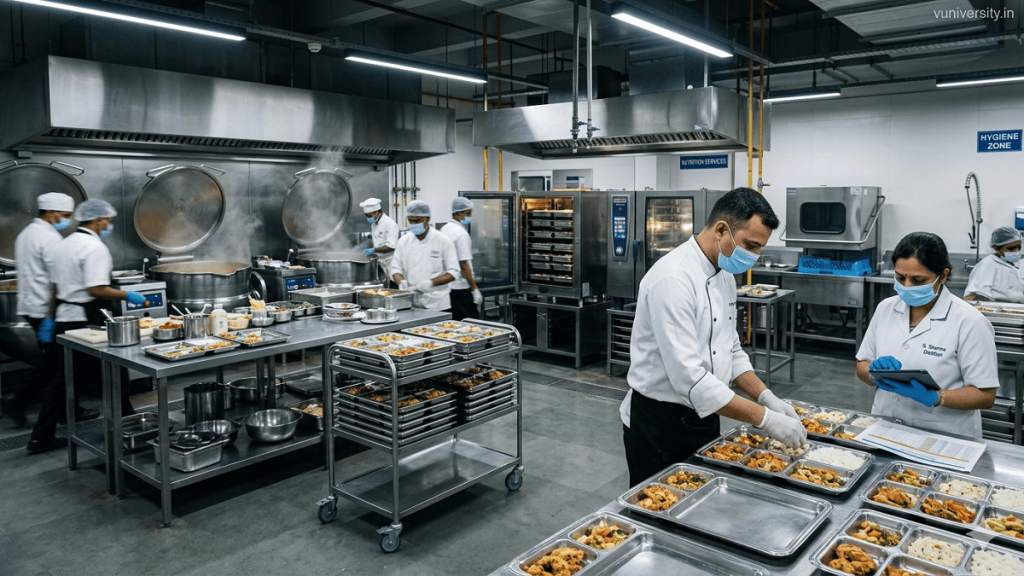
Standardization in quantity food production is vital because it ensures consistency, safety, efficiency, and cost control across large-scale operations. When meals are prepared for hundreds or thousands of people, even small variations in recipes, portion sizes, or procedures can lead to significant differences in quality, nutrition, and customer satisfaction.
Why Standardization Matters
1. Consistency in Quality
- Standardized recipes guarantee that every portion tastes the same, looks the same, and meets the same nutritional standards.
- This is especially important in institutions like hospitals or schools, where dietary requirements must be strictly maintained.
2. Food Safety
- Standard operating procedures reduce the risk of contamination by ensuring staff follow the same hygiene and cooking protocols.
- Uniform cooking times and temperatures help prevent undercooking or overcooking, which can compromise safety. (Source: WHO Food Safety (who.int in Bing) (bing.com in Bing))
3. Efficiency in Operations
- Standardization streamlines workflow by providing clear instructions for staff, reducing confusion and errors.
- It allows for better planning of ingredient quantities, cooking times, and labor allocation.
4. Cost Control
- By using standardized recipes and portion sizes, kitchens can forecast ingredient needs accurately, minimizing waste and avoiding shortages.
- Bulk purchasing becomes more effective when quantities are predictable.
5. Nutritional Accuracy
- Standardization ensures meals meet dietary guidelines and nutritional requirements consistently.
- This is critical in healthcare and educational institutions where balanced nutrition is a priority.
6. Customer Satisfaction
- Guests expect uniformity in taste and presentation. Standardization helps maintain trust and reliability in catering and institutional food services.
- It also supports branding for commercial food operations, where consistency is part of the customer experience.
Conclusion
Standardization is the backbone of quantity food production. It ensures that large-scale meal preparation remains safe, efficient, cost-effective, and reliable. By adhering to standardized recipes, portion sizes, and procedures, institutions and catering services can deliver consistent quality while meeting nutritional and safety standards.
#PortionControl
What factors should be considered while producing food in bulk?
Producing food in bulk requires careful planning and adherence to multiple factors to ensure safety, quality, efficiency, and customer satisfaction. Unlike small-scale cooking, bulk production involves complex logistics, specialized equipment, and strict protocols to maintain consistency across hundreds or thousands of servings.
Key Factors in Bulk Food Production
1. Food Safety
- Strict hygiene practices must be followed to prevent contamination.
- Proper cooking, holding, and storage temperatures are essential to reduce the risk of foodborne illness.
- Staff training in safe handling and sanitation is critical. (Source: WHO Food Safety (who.int in Bing) (bing.com in Bing))
2. Standardization
- Recipes and portion sizes must be standardized to ensure uniform taste, appearance, and nutrition.
- Standardization also supports cost control and efficiency by reducing variability.
3. Portion Control
- Consistent serving sizes prevent waste and ensure fairness in distribution.
- Helps maintain nutritional balance, especially in institutions like schools and hospitals.
4. Equipment and Technology
- Heavy-duty appliances such as tilt pans, steamers, and industrial ovens are necessary for large-scale cooking.
- Cook-chill and cook-freeze systems improve efficiency and food safety in commissary kitchens.
5. Efficiency and Planning
- Accurate forecasting of demand prevents shortages or excess food.
- Production schedules and mise en place (pre-preparation of ingredients) streamline workflow.
- Labor management ensures tasks are distributed effectively among staff.
6. Nutritional Quality
- Meals must meet dietary requirements, particularly in healthcare and educational institutions.
- Cooking methods should preserve nutrients while maintaining flavor and digestibility.
7. Waste Management
- Efficient disposal systems and recycling practices reduce environmental impact.
- Portion control and accurate forecasting minimize food waste.
Conclusion
Bulk food production is a complex process that balances safety, efficiency, nutrition, and cost-effectiveness. By focusing on food safety, standardization, portion control, equipment, planning, and waste management, institutions and catering services can deliver high-quality meals consistently. These factors form the foundation of successful large-scale food operations, ensuring both customer satisfaction and operational sustainability.
#StandardizedRecipes
How is quality maintained during quantity food production?
Maintaining quality during quantity food production is essential because large-scale operations must deliver meals that are safe, nutritious, and consistent across hundreds or thousands of servings. Quality assurance in this context involves a combination of standardized procedures, strict hygiene, efficient planning, and continuous monitoring.
Key Ways Quality is Maintained
1. Standardized Recipes
- Recipes are carefully tested and documented to ensure uniform taste, texture, and appearance.
- Standardization also guarantees nutritional accuracy, which is critical in hospitals, schools, and other institutions.
2. Food Safety Protocols
- Strict hygiene practices, including proper handwashing, sanitization of equipment, and safe ingredient handling, prevent contamination.
- Cooking and holding temperatures are monitored to reduce risks of foodborne illness. (Source: WHO Food Safety (who.int in Bing) (bing.com in Bing))
3. Portion Control
- Uniform serving sizes ensure fairness, reduce waste, and maintain nutritional balance.
- Helps in cost control by preventing overproduction or excessive serving.
4. Efficient Planning
- Production schedules and forecasting demand help avoid shortages or excess food.
- Mise en place (pre-preparation of ingredients) ensures smooth workflow and reduces errors.
5. Equipment and Technology
- Industrial-grade appliances such as tilt pans, steamers, and cook-chill systems maintain consistency in cooking large batches.
- Technology like automated monitoring systems ensures precise cooking times and temperatures.
6. Nutritional Quality
- Meals are designed to meet dietary guidelines, especially in healthcare and educational settings.
- Cooking methods are chosen to preserve nutrients while maintaining flavor and digestibility.
7. Continuous Monitoring
- Supervisors and quality control staff check taste, appearance, and portion sizes throughout production.
- Feedback from consumers is used to refine recipes and processes.
Conclusion
Quality in quantity food production is maintained through a structured approach that combines standardization, safety, efficiency, and monitoring. By adhering to these principles, institutions and catering services can consistently deliver meals that are safe, nutritious, and satisfying, even at scale.
#InstitutionalCatering
Case Study of Quantity Food Production
Introduction
Quantity food production plays a critical role in institutions where large groups of people must be fed daily. Hospitals, in particular, require meals that are not only safe and consistent but also tailored to meet diverse dietary needs. This case study examines how a mid-sized hospital in India manages its food production system to serve over 1,200 meals per day across patients, staff, and visitors.
Background
The hospital operates a centralized kitchen designed to handle bulk food preparation. The kitchen staff includes dietitians, chefs, and food service workers who collaborate to ensure meals meet nutritional standards while maintaining efficiency. The facility uses a cook-chill system, where food is prepared in bulk, rapidly cooled, and reheated before service. This method reduces labor costs and ensures food safety by minimizing bacterial growth.
Key Practices
1. Standardization
Recipes are standardized to ensure consistency in taste, texture, and nutrition. Each dish is portioned according to dietary guidelines, especially for patients with conditions such as diabetes or hypertension.
2. Food Safety Protocols
The hospital follows strict hygiene standards, including Hazard Analysis and Critical Control Points (HACCP). Cooking temperatures are monitored, and staff undergo regular training in safe food handling. According to the World Health Organization, unsafe food contributes to over 200 diseases globally, making these protocols essential (who.int in Bing) (bing.com in Bing).
3. Efficiency and Planning
Meal production is scheduled in shifts to align with patient meal times. Forecasting tools are used to predict demand, reducing waste and ensuring adequate supply.
4. Portion Control
Uniform serving sizes are maintained to ensure fairness and nutritional balance. Patients receive meals tailored to their medical needs, while staff and visitors are served standardized portions.
5. Equipment Utilization
Industrial steamers, tilt pans, and automated mixers are used to handle large volumes efficiently. The cook-chill system ensures meals retain flavor and nutrients while meeting safety standards.
Challenges
The hospital faces challenges such as managing diverse dietary requirements, minimizing food waste, and ensuring staff compliance with safety protocols. Labor shortages occasionally affect efficiency, but continuous training and automation help mitigate these issues.
Conclusion
This case study highlights how hospitals maintain quality in quantity food production through standardization, safety, efficiency, and portion control. By integrating modern equipment and strict protocols, institutions can deliver safe, nutritious meals at scale. The hospital’s approach demonstrates that bulk food production, when managed effectively, can balance efficiency with patient-centered care.
#BulkCooking
White Paper on Quantity Food Production
Executive Summary
Quantity food production is the large-scale preparation and service of meals designed to feed hundreds or thousands of people at once. It is a cornerstone of institutional catering, commercial food service, and military operations. This paper explores the principles, systems, challenges, and innovations that define bulk food production, highlighting its importance in ensuring safety, efficiency, and nutritional quality.
Introduction
Unlike household cooking, quantity food production requires specialized planning, standardized procedures, and industrial-grade equipment. Institutions such as hospitals, schools, and military facilities depend on these systems to deliver consistent meals that meet dietary requirements while maintaining cost-effectiveness.
Core Principles
- Food Safety: Strict hygiene protocols, temperature control, and staff training are essential to prevent contamination. The World Health Organization emphasizes that unsafe food contributes to over 200 diseases globally (who.int in Bing) (bing.com in Bing).
- Standardization: Recipes and portion sizes are standardized to ensure consistency in taste, nutrition, and appearance.
- Efficiency: Bulk purchasing, production schedules, and mise en place streamline operations.
- Portion Control: Uniform serving sizes reduce waste and ensure fairness in distribution.
- Nutritional Quality: Meals must meet dietary guidelines, particularly in healthcare and educational institutions.
Systems of Quantity Food Production
Quantity food production is typically organized into three systems:
- Commercial: Restaurants, hotels, and catering businesses where profitability is the primary goal.
- Non-commercial: Institutions such as schools, hospitals, and corporate cafeterias focused on service rather than profit.
- Military: Large-scale operations designed to feed personnel efficiently and consistently.
Challenges
- Forecasting Demand: Accurate estimation prevents shortages or excess food.
- Waste Management: Efficient disposal and recycling reduce environmental impact.
- Labor Organization: Skilled staff are required to maintain safety and consistency.
- Foodborne Illness Risks: Contamination can affect hundreds of people if protocols fail.
Innovations
Modern kitchens increasingly rely on technology such as cook-chill systems, automated monitoring, and digital inventory management. These innovations enhance efficiency, reduce waste, and improve food safety.
Conclusion
Quantity food production is a complex but essential system that ensures large groups are fed safely, nutritiously, and cost-effectively. By adhering to principles of safety, standardization, efficiency, and sustainability, institutions and catering services can deliver consistent quality at scale. Future advancements in automation and smart kitchen technology will further strengthen the reliability and sustainability of bulk food production.
#FoodSafety
Industry Application of Quantity Food Production
Introduction
Quantity food production is the backbone of large-scale food service industries, enabling institutions and businesses to deliver consistent, safe, and nutritious meals to vast numbers of people. Its applications extend across healthcare, education, hospitality, military, and corporate sectors, each requiring specialized systems to meet unique demands.
Healthcare Sector
Hospitals and healthcare facilities rely heavily on quantity food production to serve patients, staff, and visitors. Meals must be tailored to specific dietary needs, such as low-sodium or diabetic-friendly diets. Standardization ensures nutritional accuracy, while cook-chill systems maintain safety and efficiency. According to the World Health Organization, food safety is critical in healthcare settings where vulnerable populations are at risk (who.int in Bing) (bing.com in Bing) (bing.com in Bing).
Education Sector
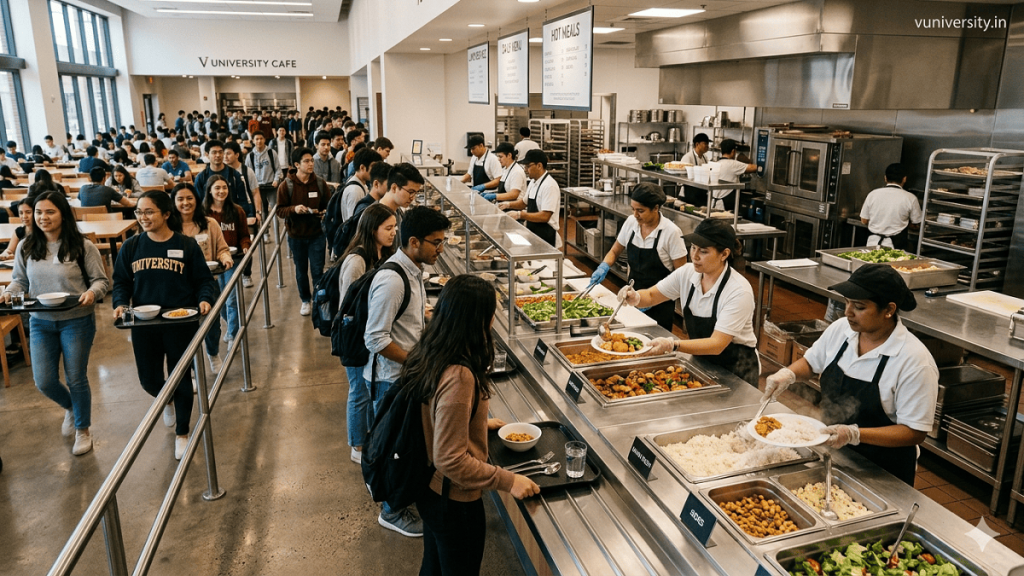
Schools and universities implement bulk food production to provide balanced meals to students. Standardized recipes and portion control help maintain fairness and nutritional balance. Efficiency is achieved through centralized kitchens that prepare meals in bulk and distribute them across campuses.
Hospitality and Catering
Hotels, restaurants, and catering services depend on commercial quantity food production to serve large groups during events, banquets, and conferences. Consistency in taste and presentation is vital for customer satisfaction. Industrial-grade equipment such as tilt pans and steamers ensures efficiency while maintaining quality.
Military Operations
Military kitchens are designed to feed thousands of personnel efficiently. Military food production emphasizes speed, consistency, and nutrition. Standardized menus and portion sizes ensure fairness and energy balance, while advanced logistics systems manage supply chains across remote locations.
Corporate and Industrial Canteens
Large corporations and factories use institutional food production to provide meals to employees. Efficiency and cost control are prioritized, with standardized recipes reducing variability and waste. Technology such as automated monitoring systems enhances workflow and safety.
Innovations in Industry Applications
Modern applications increasingly rely on technology in food production such as cook-freeze systems, digital inventory management, and automated portioning. These innovations improve efficiency, reduce waste, and enhance food safety. Sustainability practices, including waste minimization and energy-efficient equipment, are also becoming industry standards.
Conclusion
Quantity food production is indispensable across industries, ensuring large groups are fed safely, efficiently, and consistently. From hospitals and schools to hotels, military bases, and corporate canteens, its applications highlight the importance of standardization, safety, and innovation. As technology advances, the future of bulk food production will increasingly focus on sustainability and smart kitchen solutions.
#QuantityFoodProduction
Ask FAQs
What is quantity food production?
Quantity food production refers to the large-scale preparation and service of meals for groups of 25 or more people. It is commonly practiced in institutions such as hospitals, schools, military facilities, and catering services. Unlike household cooking, it requires specialized planning, equipment, and standardized procedures to ensure safety, efficiency, and consistency.
Why is standardization important in bulk food production?
Standardization ensures consistency in taste, nutrition, and portion sizes across hundreds of servings. It also supports food safety by enforcing uniform cooking times and temperatures. Additionally, it helps control costs by reducing waste and improving forecasting. (Reference: WHO Food Safety (who.int in Bing) (bing.com in Bing).
What equipment is used in quantity food production?
Industrial kitchens employ heavy-duty appliances such as tilt pans, steamers, and industrial ovens for bulk cooking. Medium-duty tools like fryers and mixers support specialized tasks, while light-duty tools such as ladles and chopping boards are used for portioning and preparation.
How is quality maintained in large-scale food preparation?
Quality is maintained through standardized recipes, strict hygiene protocols, portion control, and continuous monitoring. Supervisors check taste, appearance, and portion sizes during production, while technology such as cook-chill systems ensures consistency and safety.
What challenges are faced in quantity food production?
Challenges include forecasting demand accurately, managing diverse dietary requirements, minimizing food waste, and ensuring staff compliance with safety protocols. Labor shortages and equipment maintenance can also affect efficiency. Institutions often rely on automation and training to overcome these issues.
Source: DYPATIL IHMCT PUNE
Table of Contents
Disclaimer
The information provided in this article on quantity food production is intended for educational and informational purposes only. While every effort has been made to ensure accuracy, practices may vary depending on institutional policies, regional regulations, and industry standards. Readers are advised to consult relevant food safety authorities, such as the World Health Organization or local health departments, before implementing any procedures. The author and publisher assume no responsibility for outcomes resulting from the application of this information.