

Telephone Operating
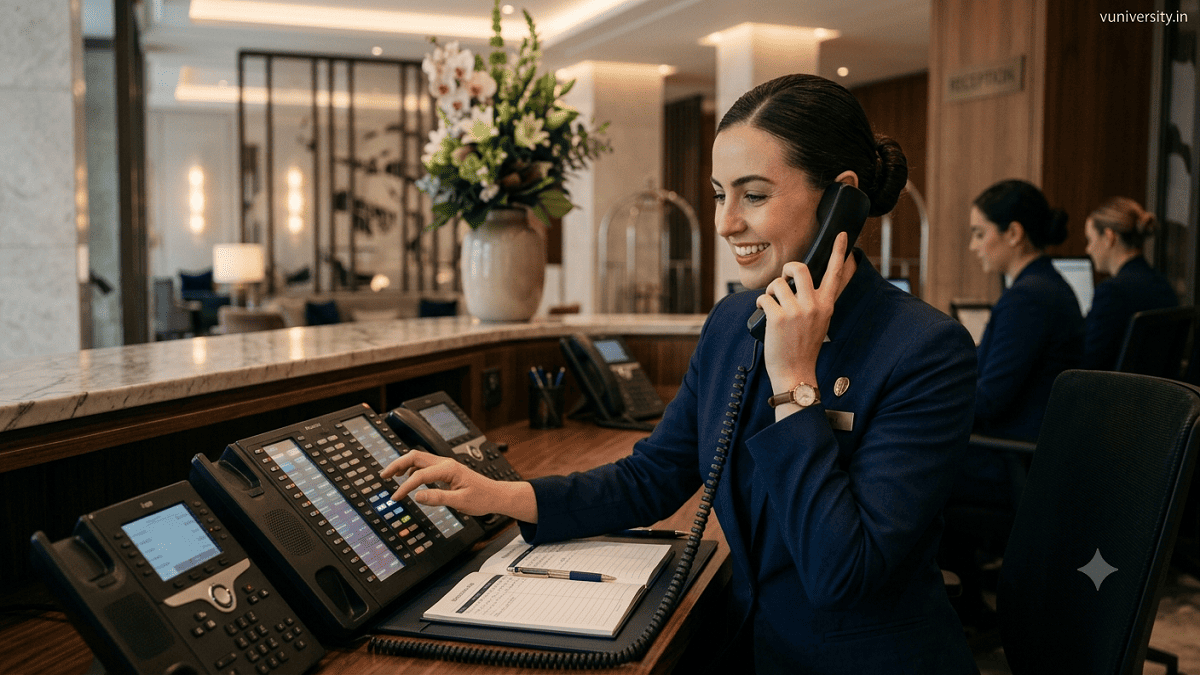
Telephone operating is the process of managing incoming and outgoing telephone calls in a professional, efficient, and organized manner. It is a vital communication function in industries such as hospitality, healthcare, banking, education, customer service, and corporate organizations, where telephone interactions often serve as the first point of contact with customers, clients, or guests. Effective telephone operating ensures that calls are answered promptly, directed to the appropriate department, and handled with courtesy and professionalism.
A telephone operator or front office staff member is responsible for performing various communication tasks, including answering calls, transferring calls, taking accurate messages, providing information, handling inquiries, and assisting callers with their requests. In the hospitality industry, telephone operating also involves managing room service requests, reservation inquiries, wake-up calls, and guest complaints, making it an essential component of exceptional guest service.
Professional telephone operating requires more than simply answering the phone. Operators must possess excellent communication skills, active listening abilities, product or service knowledge, and problem-solving capabilities. They should communicate clearly, maintain a pleasant tone of voice, and ensure that every caller receives accurate information and respectful assistance. Efficient telephone handling not only improves customer satisfaction but also enhances an organization’s professional image and operational efficiency.
Modern businesses increasingly use advanced telephone systems such as Private Branch Exchange (PBX), Voice over Internet Protocol (VoIP), Interactive Voice Response (IVR), and Customer Relationship Management (CRM) software to streamline communication. While these technologies improve call management and efficiency, the role of professional telephone operators remains essential in delivering personalized customer service and building strong customer relationships.
Effective telephone operating offers numerous benefits, including improved customer satisfaction, reduced communication errors, faster response times, enhanced teamwork, and stronger organizational credibility. Every telephone conversation represents an opportunity to create a positive first impression and reinforce the organization’s commitment to quality service.
In today’s competitive business environment, mastering telephone operating skills is crucial for professionals who regularly interact with customers, guests, patients, or business partners. By combining professional etiquette, effective communication, and efficient call management techniques, organizations can provide exceptional service, strengthen customer loyalty, and achieve long-term business success.
#FrontOfficeOperations
What are the primary responsibilities of a telephone operator in the hospitality industry?
A telephone operator plays a vital role in the hospitality industry by serving as one of the primary points of contact between guests and the hotel. Whether handling reservation inquiries, transferring calls, or responding to guest requests, the telephone operator represents the hotel’s commitment to excellent customer service. Professional communication, prompt assistance, and efficient call management contribute significantly to guest satisfaction and the overall reputation of the establishment.
Importance of a Telephone Operator
In hotels, resorts, and other hospitality businesses, telephone operators are responsible for ensuring smooth communication between guests, departments, and external callers. Their ability to handle calls accurately and courteously helps create positive guest experiences while supporting daily hotel operations.
Primary Responsibilities of a Telephone Operator
1. Answer Incoming Calls Promptly
Telephone operators should answer all incoming calls within three rings whenever possible. A prompt response demonstrates professionalism and ensures guests receive timely assistance.
2. Greet Callers Professionally
Every conversation should begin with a warm and courteous greeting that includes the hotel’s name, the operator’s name, and an offer to assist.
Example:
“Good afternoon. Thank you for calling Grand Palace Hotel. This is Maria speaking. How may I assist you today?”
3. Handle Reservation Inquiries
Operators assist guests with room availability, pricing, booking procedures, cancellation policies, and reservation modifications. They must provide accurate information and direct complex booking requests to the reservations department when necessary.
4. Transfer Calls Efficiently
A key responsibility is transferring calls to the appropriate department, such as the front office, housekeeping, room service, maintenance, or management. Operators should ensure calls are transferred correctly and inform callers before placing them on hold or transferring the call.
5. Take Accurate Messages
When the intended recipient is unavailable, operators should record complete messages, including:
- Caller’s name
- Contact number
- Date and time of the call
- Reason for calling
- Preferred callback time
Messages should be delivered promptly to avoid communication delays.
6. Respond to Guest Requests
Telephone operators receive and coordinate guest requests, including:
- Wake-up calls
- Room service orders
- Housekeeping assistance
- Maintenance requests
- Transportation arrangements
- Concierge services
These requests should be communicated immediately to the relevant department.
7. Handle Guest Complaints
Operators often receive guest complaints regarding rooms, services, or facilities. They should remain calm, listen attentively, show empathy, apologize when appropriate, and ensure the issue is forwarded to the responsible department for prompt resolution.
8. Maintain Confidentiality
Guest information, reservation details, billing information, and personal data must remain confidential. Operators should follow the hotel’s privacy policies and never disclose sensitive information to unauthorized individuals.
9. Monitor Emergency Calls
During emergencies, telephone operators play a crucial role by notifying emergency services, informing hotel management, coordinating with security personnel, and following established emergency communication procedures.
10. Maintain Communication Records
Operators may be responsible for recording important calls, maintaining call logs, documenting guest requests, and preparing communication reports that support hotel operations.
Essential Skills for a Telephone Operator
Successful telephone operators should possess:
- Excellent verbal communication skills.
- Active listening abilities.
- Professional telephone etiquette.
- Strong customer service skills.
- Problem-solving and decision-making abilities.
- Time management and multitasking skills.
- Knowledge of hotel services and policies.
- Familiarity with PBX and hotel telephone systems.
Conclusion
The telephone operator is an essential member of the hospitality team, responsible for ensuring efficient communication and exceptional guest service. From answering calls and managing reservations to handling complaints and coordinating guest requests, their role directly influences the guest experience. By demonstrating professionalism, courtesy, accuracy, and excellent communication skills, telephone operators contribute significantly to guest satisfaction, operational efficiency, and the overall success of the hotel.
#GuestService
How does an effective telephone operating system support hotel operations?
An effective telephone operating system is a vital component of hotel operations, enabling seamless communication between guests, hotel staff, and external callers. In the hospitality industry, where exceptional customer service is a key priority, a reliable telephone system helps ensure that guest requests, reservations, and internal communications are handled efficiently. Modern telephone operating systems not only improve operational efficiency but also enhance the overall guest experience by facilitating quick and professional responses.
Importance of a Telephone Operating System
A hotel’s telephone system acts as the central communication hub, connecting various departments such as the front office, housekeeping, room service, maintenance, security, and management. It ensures that information flows smoothly throughout the organization, allowing staff to respond promptly to guest needs and operational requirements.
An efficient telephone operating system minimizes communication delays, reduces errors, and supports the delivery of high-quality hospitality services.
Ways an Effective Telephone Operating System Supports Hotel Operations
1. Improves Guest Communication
Guests frequently use the telephone to inquire about room reservations, request hotel services, order room service, schedule wake-up calls, or report concerns. A reliable telephone system ensures these requests are received and handled promptly, contributing to greater guest satisfaction.
2. Streamlines Internal Communication
Hotel departments rely on constant communication to coordinate daily operations. The telephone operating system allows staff to quickly connect with housekeeping, maintenance, food and beverage services, security, and management, ensuring efficient teamwork and faster service delivery.
3. Supports Reservation Management
Telephone operators assist guests with booking rooms, modifying reservations, confirming availability, and answering pricing inquiries. A well-integrated telephone system enables staff to access reservation information quickly, reducing wait times and improving the booking experience.
4. Enables Efficient Call Routing
Modern telephone systems automatically direct incoming calls to the appropriate department or staff member. This reduces unnecessary call transfers and ensures guests receive assistance from the right personnel without delays.
5. Enhances Guest Service
An effective telephone operating system enables hotel staff to respond efficiently to requests such as:
- Room service orders
- Housekeeping assistance
- Maintenance requests
- Concierge services
- Transportation arrangements
- Wake-up calls
Quick responses help create a positive and memorable guest experience.
6. Facilitates Emergency Communication
During emergencies such as fire alarms, medical incidents, or security concerns, the telephone operating system plays a critical role in coordinating communication between hotel departments, emergency services, and management. Rapid communication improves response times and enhances guest safety.
7. Supports Message Management
When guests or employees are unavailable, telephone operators can accurately record and deliver messages. Proper message handling ensures important information reaches the intended recipient without delay.
8. Improves Operational Efficiency
Features such as call forwarding, voicemail, conference calling, automated attendants, and call logging reduce manual tasks and improve staff productivity. Employees spend less time managing calls and more time delivering quality guest services.
9. Integrates with Hotel Management Systems
Many modern hotels use telephone systems integrated with Property Management Systems (PMS), Customer Relationship Management (CRM) software, and billing systems. This integration allows automatic call tracking, room billing, guest identification, and personalized service.
10. Strengthens Hotel Reputation
Professional and efficient telephone communication reflects the hotel’s commitment to customer service excellence. Guests who receive prompt and courteous assistance are more likely to leave positive reviews, recommend the hotel to others, and become repeat customers.
Best Practices for Effective Telephone Operations
Hotels can maximize the benefits of their telephone operating system by:
- Training employees in professional telephone etiquette.
- Answering calls promptly and courteously.
- Regularly maintaining telephone equipment.
- Using modern PBX or VoIP systems.
- Monitoring call quality and response times.
- Keeping staff informed about hotel services and policies.
- Ensuring accurate message-taking and call transfers.
Conclusion
An effective telephone operating system is essential for the smooth functioning of hotel operations. It enhances communication between guests and staff, supports reservation management, improves internal coordination, and enables faster response to guest requests and emergencies. By investing in reliable telephone technology and training employees in professional call handling, hotels can improve operational efficiency, deliver exceptional guest experiences, and strengthen their reputation in the competitive hospitality industry.
#ProfessionalCommunication
What are the standard procedures for handling incoming and outgoing calls?
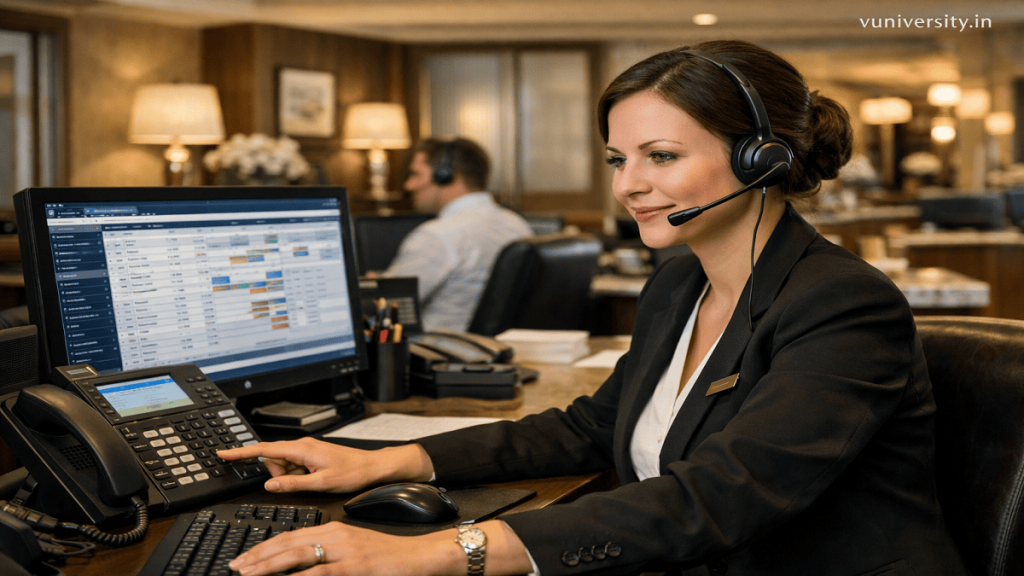
Effective telephone communication is essential in the hospitality industry, where every call represents an opportunity to provide exceptional guest service. Standard procedures for handling incoming and outgoing calls ensure consistency, professionalism, and efficiency while reducing communication errors. Whether assisting guests with reservations, responding to inquiries, or coordinating internal operations, following established telephone procedures helps create a positive guest experience and enhances the hotel’s reputation.
Importance of Standard Call Handling Procedures
Standardized telephone procedures enable hotel staff to communicate confidently and professionally with guests, colleagues, and external callers. They improve response times, ensure accurate information is shared, and help maintain a high standard of customer service across all departments.
Standard Procedures for Handling Incoming Calls
1. Answer Calls Promptly
Incoming calls should be answered within three rings whenever possible. Prompt responses demonstrate professionalism and show respect for the caller’s time.
2. Use a Professional Greeting
Begin every conversation with a polite greeting that includes the hotel’s name, your name, and an offer to assist.
Example:
“Good morning. Thank you for calling Grand Horizon Hotel. This is Sarah speaking. How may I assist you today?”
A warm greeting creates a positive first impression.
3. Listen Carefully
Allow the caller to explain their inquiry or request without interruption. Practice active listening to fully understand their needs before responding.
4. Verify Caller Information
When necessary, confirm important details such as:
- Guest name
- Reservation number
- Room number
- Contact information
- Purpose of the call
Accurate verification helps prevent misunderstandings.
5. Provide Accurate Information
Answer questions clearly and confidently. If additional information is required, politely place the caller on hold after obtaining permission.
Example:
“May I place you on hold for a moment while I verify that information?”
6. Transfer Calls Correctly
If another department is better suited to assist the caller, explain the transfer and ensure the call reaches the correct person whenever possible.
7. Record Messages Accurately
If the intended recipient is unavailable, record:
- Caller’s name
- Contact number
- Date and time
- Reason for calling
- Preferred callback time
Deliver messages promptly to avoid delays.
8. End the Call Professionally
Before ending the conversation:
- Confirm that all questions have been answered.
- Summarize any agreed actions.
- Thank the caller.
- Offer further assistance if needed.
Example:
“Thank you for calling Grand Horizon Hotel. We look forward to welcoming you. Have a wonderful day.”
Standard Procedures for Handling Outgoing Calls
1. Prepare Before Calling
Gather all necessary information before placing the call, including guest details, reservation information, and the purpose of the conversation.
2. Introduce Yourself Clearly
Identify yourself and the hotel at the beginning of the call.
Example:
“Good afternoon. This is Emily from Grand Horizon Hotel calling regarding your upcoming reservation.”
3. Confirm the Identity of the Recipient
Ensure you are speaking with the correct person before discussing reservation details or confidential information.
4. State the Purpose of the Call
Clearly explain why you are calling. Whether confirming a reservation, providing updates, or responding to a request, communicate the information concisely and professionally.
5. Maintain Professional Communication
Speak clearly, use a courteous tone, and avoid rushing the conversation. Allow the recipient time to ask questions or seek clarification.
6. Document the Conversation
Record any important information discussed during the call, including guest requests, changes to reservations, or follow-up actions required.
7. Close the Call Politely
Summarize the discussion, confirm any agreed actions, thank the recipient, and end the conversation courteously.
Best Practices for Telephone Communication
To maintain high service standards, hotel staff should:
- Answer calls promptly.
- Use professional greetings.
- Listen actively without interrupting.
- Speak clearly and politely.
- Maintain guest confidentiality.
- Transfer calls accurately.
- Record messages carefully.
- Follow up on unresolved requests.
- End every call with courtesy and appreciation.
Conclusion
Following standard procedures for handling incoming and outgoing calls ensures consistent, professional, and efficient communication in the hospitality industry. Proper call handling improves guest satisfaction, strengthens teamwork, reduces communication errors, and enhances the hotel’s reputation. By adhering to established telephone protocols and maintaining a customer-focused approach, hospitality professionals can deliver exceptional service and contribute to the overall success of the organization.
#HotelOperations
How should telephone operators manage guest requests and emergency calls?
Telephone operators play a crucial role in ensuring smooth communication and exceptional guest service in the hospitality industry. They serve as the primary point of contact for guests seeking assistance, information, or emergency support. Managing guest requests and emergency calls efficiently requires professionalism, clear communication, quick decision-making, and adherence to established hotel procedures. Proper handling of these calls enhances guest satisfaction, improves operational efficiency, and contributes to a safe and secure environment.
Importance of Effective Call Management
Guests rely on telephone operators for a wide range of services, from requesting room service to reporting emergencies. Every call should be handled promptly, courteously, and accurately to ensure guests receive timely assistance. During emergencies, operators become a vital communication link between guests, hotel departments, and emergency response services.
Managing Guest Requests
1. Answer Calls Promptly
Telephone operators should answer incoming calls within three rings whenever possible. Prompt responses demonstrate professionalism and reassure guests that their requests are important.
2. Greet Guests Professionally
Begin each conversation with a warm greeting, identify the hotel and yourself, and offer assistance.
Example:
“Good evening. Thank you for calling Grand Palace Hotel. This is Rahul speaking. How may I assist you today?”
A friendly introduction creates a positive first impression.
3. Listen Carefully
Allow guests to explain their requests without interruption. Practice active listening to fully understand their needs before responding.
4. Confirm Request Details
Repeat important information to avoid misunderstandings. Confirm details such as:
- Guest name
- Room number
- Nature of the request
- Preferred delivery or service time
- Special instructions
5. Coordinate with the Appropriate Department
Forward guest requests promptly to the relevant department, such as:
- Housekeeping for room cleaning or extra amenities.
- Room service for food and beverage orders.
- Maintenance for repairs.
- Concierge for transportation or local information.
- Front office for reservation or billing inquiries.
Maintain communication until the request has been acknowledged.
6. Follow Up
After the service has been provided, follow up with the guest when appropriate to ensure satisfaction and confirm that the request has been completed successfully.
Managing Emergency Calls
1. Remain Calm and Professional
When receiving an emergency call, remain composed and reassure the caller. A calm approach helps reduce panic and enables effective communication.
2. Gather Essential Information
Quickly collect critical details, including:
- Guest name
- Room number or location
- Type of emergency
- Number of people involved
- Immediate assistance required
Accurate information helps emergency responders act quickly.
3. Notify the Appropriate Personnel
Immediately inform the relevant hotel departments, such as:
- Security
- Duty manager
- Engineering or maintenance
- Medical response team
- Housekeeping (if necessary)
If required, contact external emergency services such as the fire department, ambulance, or police.
4. Follow Hotel Emergency Procedures
Every hotel should have established emergency protocols. Telephone operators must follow these procedures carefully while maintaining communication with guests and emergency personnel.
5. Document the Incident
Record important information, including:
- Time of the call
- Nature of the emergency
- Actions taken
- Departments notified
- Outcome of the incident
Accurate documentation supports incident reporting and future evaluations.
6. Maintain Confidentiality
Handle all emergency information with discretion. Share details only with authorized personnel involved in the response process.
Best Practices for Telephone Operators
To manage guest requests and emergencies effectively, operators should:
- Respond quickly and professionally.
- Use clear and courteous communication.
- Practice active listening.
- Verify important information.
- Stay calm during emergencies.
- Follow hotel policies and emergency protocols.
- Coordinate efficiently with hotel departments.
- Keep accurate records of calls and actions taken.
- Follow up when appropriate to ensure guest satisfaction.
Conclusion
Telephone operators are essential to delivering excellent guest service and maintaining hotel safety. By responding promptly to guest requests, coordinating effectively with hotel departments, and managing emergency calls with professionalism and confidence, operators help ensure smooth hotel operations and positive guest experiences. Continuous training, strong communication skills, and adherence to established procedures enable telephone operators to provide reliable support in both routine and critical situations, contributing to the overall success and reputation of the hotel.
#HospitalityManagement
What skills and best practices are essential for professional telephone operating?
Professional telephone operating is a critical function in the hospitality industry and many other service-oriented sectors. Telephone operators are often the first point of contact for guests, customers, and business partners, making their communication skills and professionalism essential to creating a positive first impression. Effective telephone operating involves more than answering calls—it requires excellent communication, active listening, problem-solving, and efficient call management. By mastering these skills and following industry best practices, telephone operators can enhance customer satisfaction and contribute to the overall success of the organization.
Importance of Professional Telephone Operating
Every telephone interaction reflects the organization’s commitment to customer service. Whether handling reservations, guest requests, complaints, or internal communications, operators must ensure that every call is managed efficiently, courteously, and accurately. Strong telephone operating skills help build trust, improve operational efficiency, and strengthen the organization’s reputation.
Essential Skills for Professional Telephone Operating
1. Excellent Communication Skills
Telephone operators should communicate clearly, confidently, and professionally. They must speak at a moderate pace, use polite language, and ensure callers easily understand the information provided.
2. Active Listening
Listening carefully is one of the most important skills for a telephone operator. Active listening helps operators understand guest needs, avoid misunderstandings, and provide accurate responses without interrupting the caller.
3. Customer Service Orientation
Operators should always demonstrate courtesy, patience, and a willingness to assist. A positive attitude creates a welcoming experience and leaves guests with a favorable impression of the organization.
4. Problem-Solving Ability
Guests often call with questions, requests, or concerns. Telephone operators should remain calm under pressure, assess situations quickly, and identify practical solutions while following organizational policies.
5. Multitasking Skills
Professional telephone operators frequently manage multiple responsibilities, including answering calls, transferring callers, recording messages, updating reservation systems, and coordinating with different departments. Strong multitasking abilities help maintain efficiency without compromising service quality.
6. Product and Service Knowledge
Operators should have a thorough understanding of the organization’s services, facilities, policies, pricing, and procedures. Accurate information builds guest confidence and minimizes communication errors.
7. Time Management
Efficient call handling reduces waiting times while ensuring each caller receives the attention they deserve. Operators should balance speed with quality service.
8. Technical Competence
Modern telephone operators should be familiar with Private Branch Exchange (PBX) systems, Voice over Internet Protocol (VoIP), call transfer procedures, voicemail systems, and hotel Property Management Systems (PMS).
#CustomerService
Best Practices for Professional Telephone Operating
Answer Calls Promptly
Respond to incoming calls within three rings whenever possible to demonstrate professionalism and attentiveness.
Use a Professional Greeting
Begin every conversation by greeting the caller, introducing yourself and the organization, and offering assistance.
Example:
“Good morning. Thank you for calling Grand Horizon Hotel. This is Emily speaking. How may I assist you today?”
Verify Important Information
Confirm guest names, reservation numbers, room numbers, contact details, and special requests to ensure accuracy.
Speak Clearly and Politely
Maintain a calm, friendly tone throughout the conversation. Avoid slang, technical jargon, or rushed speech.
Manage Hold and Call Transfers Properly
Always ask permission before placing callers on hold and explain the reason. When transferring calls, inform the caller which department or person they are being connected to.
Record Accurate Messages
If the intended recipient is unavailable, document the caller’s name, contact information, message, and preferred callback time accurately.
Maintain Confidentiality
Protect guest privacy by handling personal and financial information securely and sharing it only with authorized personnel.
End Calls Professionally
Before ending the conversation, summarize any agreed actions, confirm that the caller’s concerns have been addressed, thank them for calling, and wish them a pleasant day.
Common Mistakes to Avoid
Professional telephone operators should avoid:
- Interrupting callers.
- Speaking too quickly or unclearly.
- Providing incorrect information.
- Leaving callers on hold without updates.
- Displaying impatience or frustration.
- Forgetting to document important messages.
- Ending calls abruptly.
Conclusion
Professional telephone operating requires a combination of excellent communication skills, customer service expertise, technical knowledge, and adherence to best practices. By answering calls promptly, listening actively, providing accurate information, and maintaining a courteous attitude, telephone operators can create positive customer experiences and support efficient organizational operations. Continuous training and a commitment to service excellence ensure that telephone operators remain valuable contributors to guest satisfaction and the long-term success of the organization.
#BusinessCommunication
Case Study of Telephone Operating
Introduction
Telephone operating is a vital function in the hospitality industry, ensuring seamless communication between guests, hotel staff, and external callers. A professional telephone operator is responsible for managing incoming and outgoing calls, handling reservations, coordinating guest requests, transferring calls accurately, and responding to emergencies. Efficient telephone operations contribute significantly to guest satisfaction, operational efficiency, and the overall reputation of a hotel. This case study demonstrates how effective telephone operating improved service quality and enhanced the guest experience.
Case Study Overview
Hotel: Royal Horizon Hotel (Hypothetical Case)
Department: Front Office – Telephone Operations
Situation:
A business traveler arrived at the hotel late in the evening after a delayed flight. Before arriving, the guest contacted the hotel to confirm the reservation, request airport transportation, arrange an early breakfast, and ask for a wake-up call. At the same time, the hotel was experiencing a high volume of incoming calls due to a conference being hosted on the property.
The telephone operator efficiently managed all incoming requests while maintaining professional communication and ensuring that every department received the necessary information.
Actions Taken by the Telephone Operator
Prompt Call Handling
The operator answered the guest’s call within three rings and greeted the caller professionally.
Example:
“Good evening. Thank you for calling Royal Horizon Hotel. This is Sophia speaking. How may I assist you today?”
The prompt response immediately created a positive first impression.
Active Listening
The operator listened carefully to each of the guest’s requests without interruption and confirmed important details, including the reservation number, arrival time, and transportation requirements.
Coordinating Multiple Departments
The operator communicated with several hotel departments to fulfill the guest’s requests:
- Informed the transportation team about the airport pickup.
- Notified the restaurant to prepare an early breakfast.
- Scheduled a wake-up call through the hotel’s telephone system.
- Updated the front office with the guest’s late arrival information.
Effective coordination ensured that all departments were prepared before the guest arrived.
Accurate Information
The operator provided clear and accurate information regarding airport pickup arrangements, breakfast service hours, and check-in procedures. All guest details were verified to prevent misunderstandings.
Efficient Call Documentation
Each guest request was entered into the hotel’s Property Management System (PMS) and recorded in the communication log. This ensured that staff on different shifts could access the information and continue providing seamless service.
Professional Follow-Up
Upon the guest’s arrival, the front office confirmed that all requested services had been arranged. The following morning, the wake-up call was delivered on time, breakfast was ready as requested, and the guest expressed appreciation for the hotel’s excellent coordination.
Outcome
The guest experienced a smooth arrival and a comfortable stay despite travel delays. Impressed by the hotel’s responsiveness and efficient communication, the guest left a positive online review highlighting the professionalism of the telephone operator and the hotel’s outstanding customer service.
The hotel’s management recognized the telephone operator for exceptional performance and used the case as a training example for new front office employees.
Key Lessons Learned
This case study demonstrates several important principles of effective telephone operating:
- Answer calls promptly and professionally.
- Listen actively to understand guest needs.
- Confirm important details before ending the conversation.
- Coordinate efficiently with multiple hotel departments.
- Record guest requests accurately.
- Use hotel communication systems effectively.
- Follow up to ensure guest satisfaction.
- Maintain professionalism even during busy periods.
Best Practices Highlighted
The successful outcome was achieved by following these best practices:
- Professional telephone etiquette.
- Clear and courteous communication.
- Accurate call documentation.
- Timely coordination with internal departments.
- Efficient use of hotel technology.
- Strong teamwork and organizational skills.
- Commitment to guest satisfaction.
Conclusion
This case study highlights the essential role of telephone operating in delivering exceptional hospitality services. By combining effective communication, accurate information management, prompt response, and efficient coordination, telephone operators can significantly enhance the guest experience. Professional telephone operating not only improves customer satisfaction but also supports smooth hotel operations, strengthens teamwork, and contributes to the long-term success and reputation of the hospitality organization.
#CallHandling
White Paper on Telephone Operating
Executive Summary
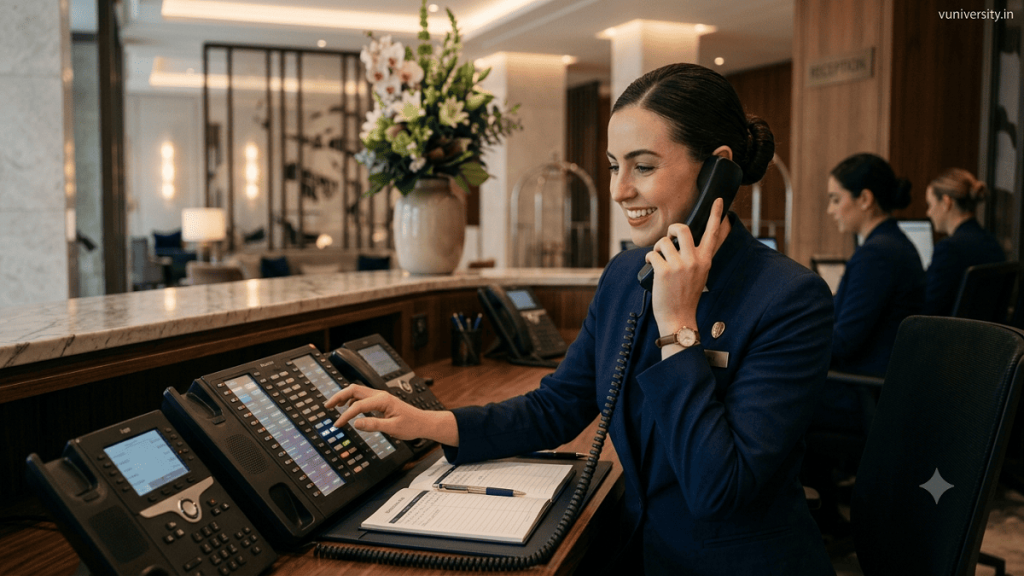
Telephone operating is a fundamental component of organizational communication, serving as the bridge between customers, employees, departments, and external stakeholders. In industries such as hospitality, healthcare, banking, retail, and corporate services, efficient telephone operations ensure timely communication, accurate information sharing, and exceptional customer service. As businesses increasingly adopt digital communication technologies, professional telephone operating remains essential for delivering personalized service and maintaining strong customer relationships.
This white paper explores the significance of telephone operating, its core responsibilities, modern technologies, industry applications, best practices, challenges, and recommendations for organizations seeking to improve communication efficiency and service excellence.
Introduction
Telephone operating refers to the systematic management of incoming and outgoing telephone calls within an organization. It involves answering calls professionally, routing calls to the appropriate departments, recording messages, responding to inquiries, coordinating internal communication, and managing emergency calls when necessary.
Telephone operators often serve as the first point of contact for customers or guests. Their professionalism, communication skills, and efficiency significantly influence customer satisfaction and the organization’s overall reputation.
Importance of Telephone Operating
An effective telephone operating system supports business operations by ensuring clear, timely, and organized communication. Professional telephone operators help organizations:
- Deliver excellent customer service.
- Create positive first impressions.
- Improve communication accuracy.
- Reduce operational delays.
- Enhance teamwork between departments.
- Increase customer satisfaction and loyalty.
- Strengthen organizational credibility.
In customer-focused industries, efficient telephone operations contribute directly to service quality and business success.
Key Responsibilities of Telephone Operators
Professional telephone operators perform a wide range of responsibilities, including:
- Answering incoming calls promptly.
- Greeting callers professionally.
- Handling reservation and booking inquiries.
- Transferring calls accurately.
- Taking and delivering messages.
- Coordinating guest or customer requests.
- Managing outgoing calls.
- Assisting during emergency situations.
- Maintaining communication records.
- Protecting confidential customer information.
Their role requires attention to detail, professionalism, and excellent communication skills.
Essential Skills for Telephone Operators
Successful telephone operators should possess:
Communication Skills
Clear, polite, and confident communication ensures callers receive accurate information and a positive service experience.
Active Listening
Listening attentively helps operators understand customer needs and respond effectively without misunderstandings.
Customer Service Orientation
Patience, empathy, and professionalism contribute to excellent customer experiences and long-term customer relationships.
Technical Knowledge
Operators should be familiar with PBX systems, VoIP technology, Property Management Systems (PMS), Customer Relationship Management (CRM) software, and call-routing systems.
Time Management
Efficient handling of multiple calls and requests helps maintain productivity during busy periods.
Modern Telephone Operating Technologies
Advancements in communication technology have transformed telephone operations. Common technologies include:
- Private Branch Exchange (PBX)
- Voice over Internet Protocol (VoIP)
- Interactive Voice Response (IVR)
- Automatic Call Distribution (ACD)
- Customer Relationship Management (CRM) integration
- Cloud-based telephone systems
- Call recording and monitoring
- Automated voicemail services
These technologies improve efficiency while enabling operators to deliver faster and more personalized customer service.
Industry Applications
Telephone operating is essential across numerous industries, including:
Hospitality
Managing reservations, guest requests, wake-up calls, room service orders, and emergency communication.
Healthcare
Scheduling appointments, coordinating patient communication, and managing emergency calls.
Banking
Handling account inquiries, customer support, and financial service requests securely.
Retail and E-commerce
Providing product information, processing customer inquiries, and managing order-related communication.
Education
Supporting admissions, student services, administrative communication, and parent inquiries.
Government Services
Assisting citizens with public service information, licensing, taxation, and administrative support.
Challenges in Telephone Operating
Organizations commonly face challenges such as:
- High call volumes during peak hours.
- Communication misunderstandings.
- Inaccurate message handling.
- Technical system failures.
- Managing emergency situations.
- Balancing speed with service quality.
- Maintaining customer confidentiality.
Regular training and updated communication systems help minimize these challenges.
Best Practices
Organizations should adopt the following best practices:
- Answer calls within three rings.
- Use standardized professional greetings.
- Practice active listening.
- Verify caller information before providing assistance.
- Record messages accurately.
- Transfer calls correctly.
- Follow emergency communication protocols.
- Maintain confidentiality.
- Use modern communication technologies.
- Conduct regular employee training and performance evaluations.
Measuring Telephone Operating Performance
Organizations can evaluate telephone operations using key performance indicators such as:
- Average call response time.
- First-call resolution rate.
- Customer satisfaction scores.
- Call transfer accuracy.
- Average handling time.
- Message delivery accuracy.
- Employee communication quality.
- Complaint resolution rate.
Continuous monitoring supports service improvement and operational excellence.
Recommendations
Organizations seeking to strengthen telephone operations should:
- Invest in advanced telephone infrastructure.
- Provide ongoing communication skills training.
- Standardize call-handling procedures.
- Integrate telephone systems with business software.
- Monitor service quality through regular audits.
- Encourage teamwork between departments.
- Prioritize customer-focused communication.
These strategies improve efficiency while enhancing customer experiences.
Conclusion
Telephone operating remains a critical business function despite the growth of digital communication channels. Professional telephone operators serve as ambassadors of their organizations by delivering prompt, courteous, and efficient communication. Through effective call management, modern technology, standardized procedures, and continuous employee development, organizations can improve operational efficiency, strengthen customer relationships, and maintain a competitive advantage in today’s service-driven economy.
References
- American Hotel & Lodging Association (AHLA): https://www.ahla.com/
- International Customer Management Institute (ICMI): https://www.icmi.com/
- Forbes Travel Guide: https://www.forbestravelguide.com/
- World Tourism Organization (UN Tourism): https://www.unwto.org/
- MindTools – Communication Skills: https://www.mindtools.com/
#TelephoneOperator
Industry Application of Telephone Operating
Telephone operating is an essential communication function that supports the efficient exchange of information between organizations, customers, employees, and stakeholders. Whether managing reservations in a hotel, scheduling patient appointments in a hospital, or responding to customer inquiries in a retail business, professional telephone operating ensures seamless communication and high-quality customer service. Modern organizations rely on skilled telephone operators and advanced communication systems to improve operational efficiency, strengthen customer relationships, and maintain a professional image.
Importance of Telephone Operating Across Industries
Telephone operating serves as the communication backbone of many organizations. It enables businesses to handle inquiries, coordinate internal operations, resolve customer concerns, and deliver timely information. Professional telephone operators create positive first impressions through courteous communication, accurate information, and prompt responses, directly contributing to customer satisfaction and organizational success.
As industries continue to adopt digital communication technologies, telephone operating remains an indispensable tool for providing personalized service and handling situations that require immediate human interaction.
Industry Applications
Hospitality Industry
The hospitality sector depends heavily on telephone operating for daily operations. Hotels, resorts, restaurants, and travel agencies use telephone systems to manage reservations, answer guest inquiries, coordinate room service, schedule wake-up calls, arrange transportation, and handle guest complaints. Efficient telephone communication enhances the guest experience and supports smooth coordination between hotel departments such as the front office, housekeeping, maintenance, and food and beverage services.
Healthcare Industry
Hospitals, clinics, and healthcare facilities rely on telephone operators to schedule appointments, coordinate patient care, provide medical information, connect patients with healthcare professionals, and manage emergency communication. Clear, confidential, and accurate telephone communication is essential for delivering quality healthcare services and ensuring patient safety.
Banking and Financial Services
Banks and financial institutions use telephone operating to assist customers with account inquiries, loan applications, transaction support, fraud reporting, and financial guidance. Telephone operators must follow strict confidentiality procedures while providing accurate and secure customer assistance.
Retail and E-commerce
Retail businesses use telephone operating to answer product inquiries, process orders, confirm deliveries, handle returns, and provide after-sales support. Efficient telephone communication helps improve customer satisfaction, build loyalty, and strengthen brand reputation.
Education Sector
Educational institutions depend on telephone operating to communicate with students, parents, faculty, and administrative staff. Operators assist with admission inquiries, examination schedules, academic support, fee-related questions, and general administrative communication.
Corporate Organizations
Businesses use telephone operators to connect clients, employees, suppliers, and business partners. Telephone operating supports appointment scheduling, conference coordination, customer support, and internal communication, contributing to greater workplace productivity and operational efficiency.
Government and Public Services
Government agencies use telephone systems to provide information about public services, taxation, licensing, healthcare programs, legal procedures, and emergency assistance. Professional telephone communication improves public accessibility and promotes transparency.
Customer Service and Call Centers
Call centers represent one of the largest applications of telephone operating. Operators manage customer inquiries, technical support, complaint resolution, sales assistance, and feedback collection. Strong communication skills and efficient call management are essential for delivering high-quality customer experiences.
Benefits of Telephone Operating Across Industries
Organizations benefit from professional telephone operating by:
- Improving customer satisfaction.
- Creating positive first impressions.
- Enhancing communication efficiency.
- Supporting faster decision-making.
- Reducing communication errors.
- Strengthening teamwork between departments.
- Increasing customer loyalty.
- Building a professional organizational image.
These benefits contribute to improved business performance and long-term organizational success.
Best Practices
Organizations should implement the following best practices to maximize the effectiveness of telephone operating:
- Answer calls promptly and professionally.
- Use standardized greetings.
- Listen actively to caller needs.
- Provide accurate and complete information.
- Transfer calls efficiently.
- Record messages accurately.
- Protect customer confidentiality.
- Use modern telephone technologies such as PBX, VoIP, and CRM integration.
- Train employees regularly on communication skills and customer service standards.
- Monitor call quality and performance for continuous improvement.
Conclusion
Telephone operating plays a critical role across a wide range of industries by facilitating efficient communication, supporting customer service, and improving organizational productivity. From hospitality and healthcare to banking, retail, education, and government services, professional telephone operating helps organizations deliver reliable, responsive, and customer-focused communication. By investing in modern communication technology, employee training, and standardized operating procedures, organizations can strengthen customer relationships, improve operational efficiency, and maintain a competitive advantage in today’s service-oriented business environment.
##TelephoneOperating
Ask FAQs
What is telephone operating?
Telephone operating is the process of professionally managing incoming and outgoing calls within an organization. It includes answering calls, transferring callers, taking messages, handling guest inquiries, and ensuring effective communication between departments and customers.
What are the primary responsibilities of a telephone operator?
A telephone operator is responsible for answering calls promptly, providing accurate information, transferring calls to the appropriate department, taking messages, handling guest requests, managing emergency calls, and maintaining confidentiality while delivering excellent customer service.
Why is telephone operating important in the hospitality industry?
Telephone operating is essential in the hospitality industry because it supports efficient guest communication, reservation management, internal coordination, complaint handling, and emergency response. Professional telephone operations enhance guest satisfaction and contribute to the hotel’s reputation.
What skills are required to become a professional telephone operator?
A professional telephone operator should possess excellent communication skills, active listening abilities, customer service orientation, problem-solving skills, multitasking capability, time management, technical knowledge of telephone systems, and familiarity with hotel or organizational procedures.
What are the best practices for effective telephone operating?
Best practices include answering calls within three rings, using a professional greeting, listening carefully, verifying caller information, transferring calls correctly, recording accurate messages, maintaining confidentiality, following up on guest requests, and ending every call courteously.
Source: May-Stringer House
Table of Contents
Disclaimer: The information in this article is intended for educational and informational purposes only. Telephone operating procedures and communication protocols may vary by organization and industry. Readers should follow their organization’s policies and operational guidelines where applicable.