
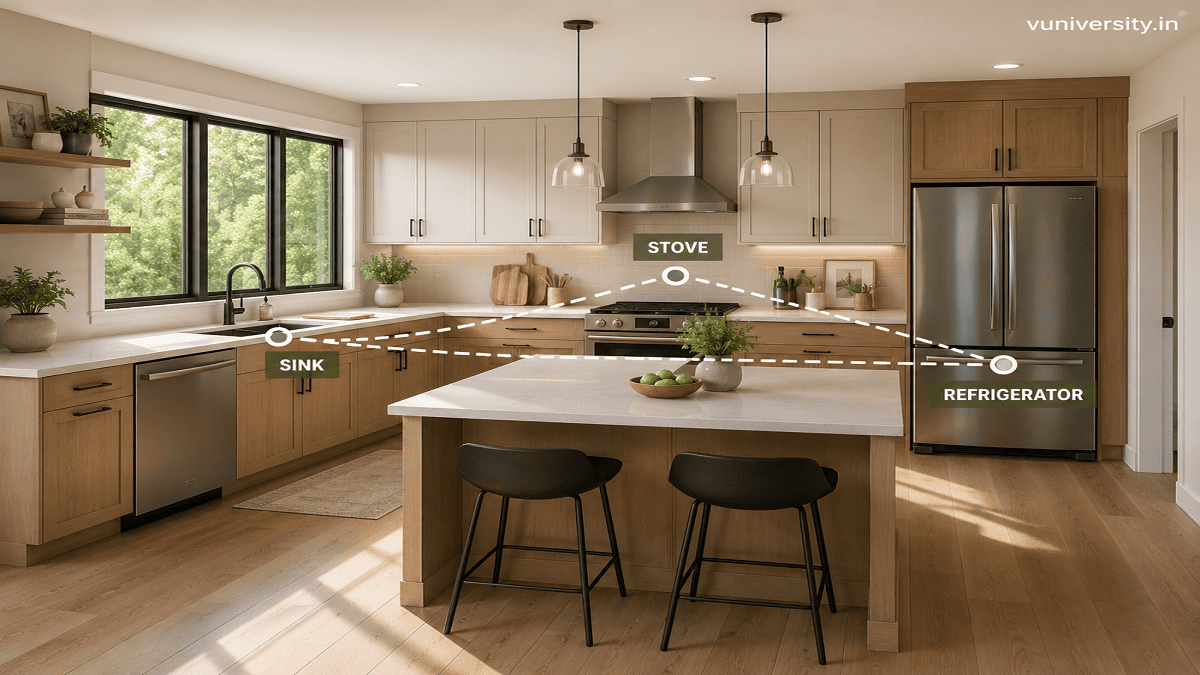
Kitchen Layout
Kitchen Layout is the structured arrangement of appliances, work surfaces, storage zones, and pathways within a kitchen. It defines how efficiently tasks such as cooking, cleaning, and serving are performed.
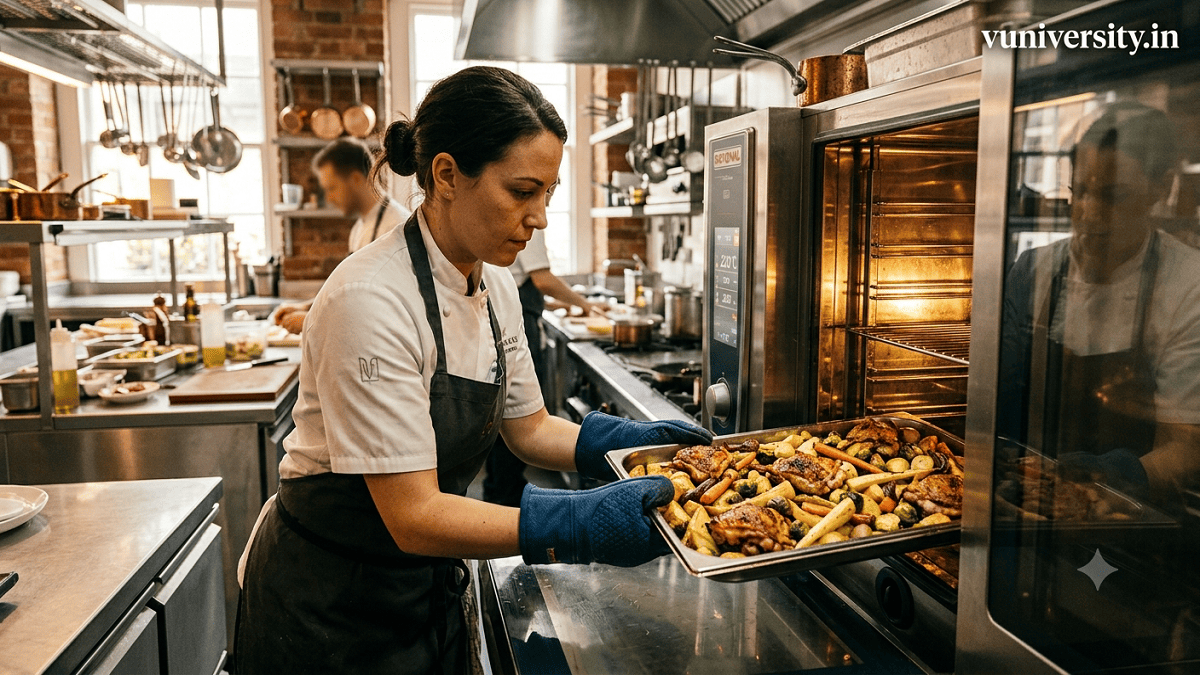
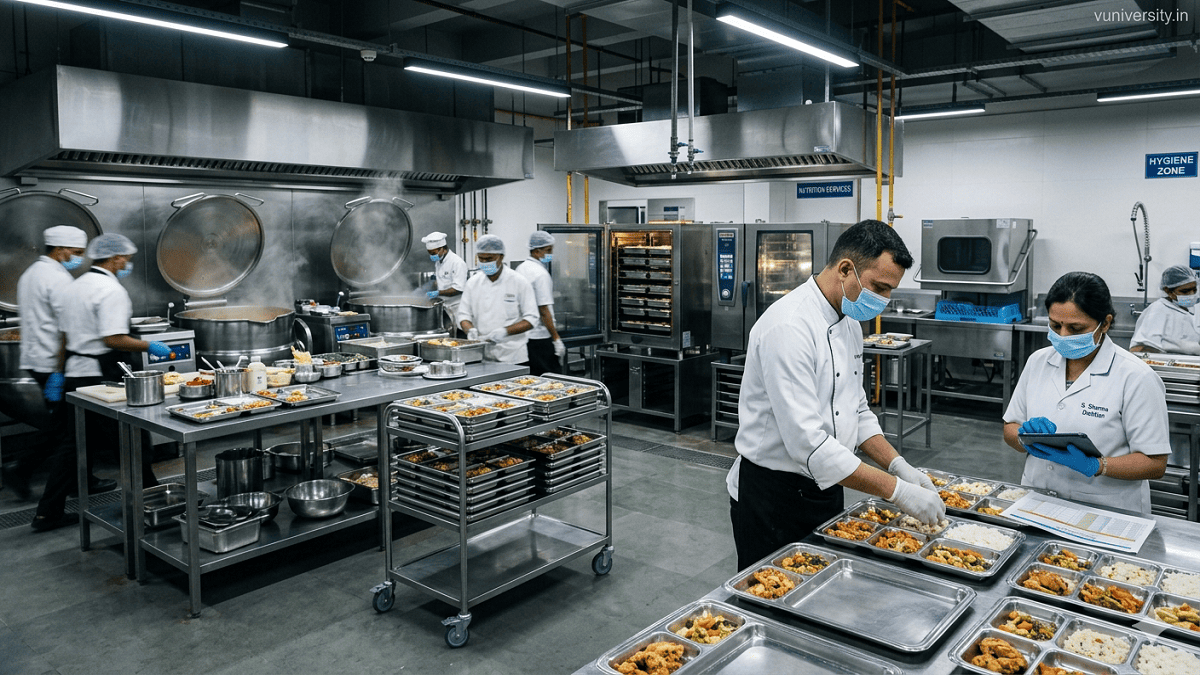
Cooking Techniques are the structured methods used to transform raw ingredients into safe, flavorful, and nutritious meals. They form the foundation of culinary practice, influencing taste, texture, aroma, and nutritional value.
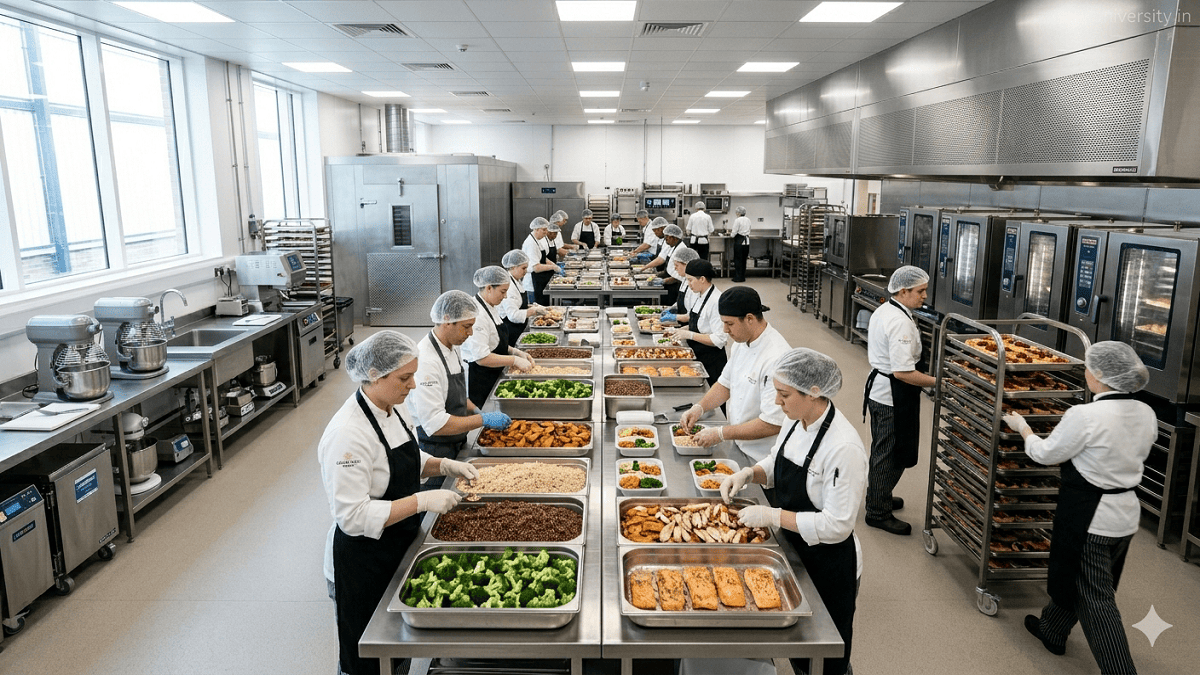
Quantity food production is the large-scale preparation of meals designed to serve hundreds or thousands of people in institutions such as hospitals, schools, military facilities, and catering services.
Industrial and institutional catering is a specialized segment of the hospitality sector focused on providing high-volume, cost-effective food and beverage solutions to closed, structured communities.
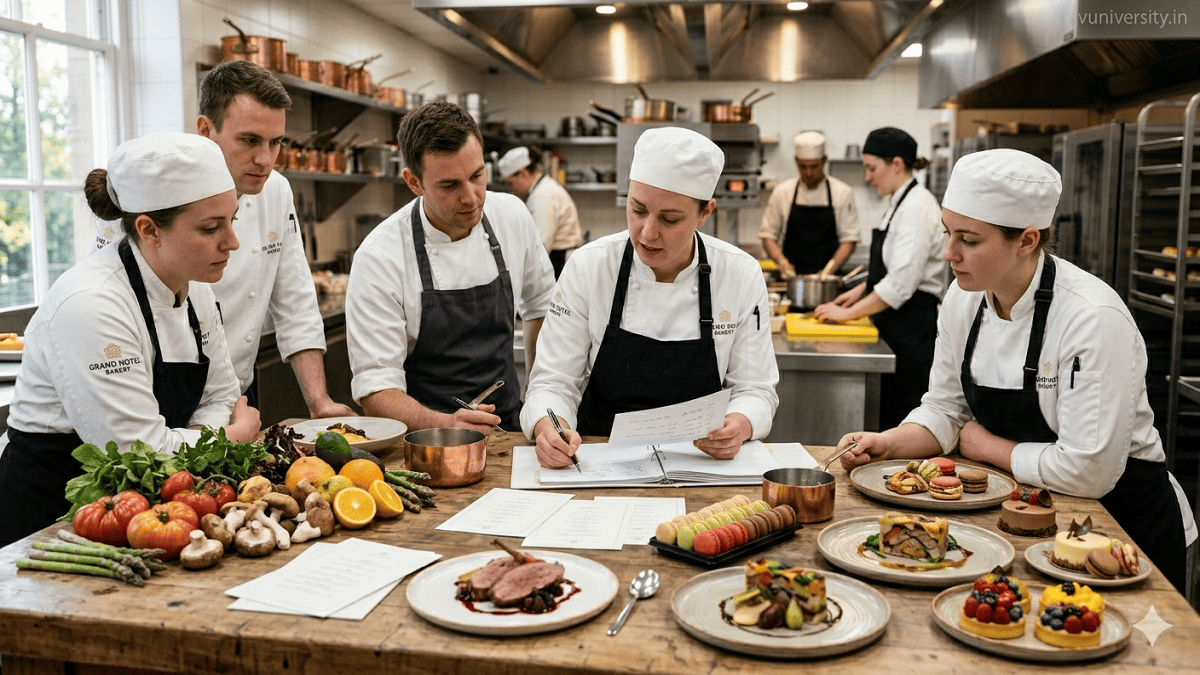
Principles of Menu Planning involve the systematic process of designing and organizing food and beverage offerings to meet customer needs, nutritional requirements, and business objectives.
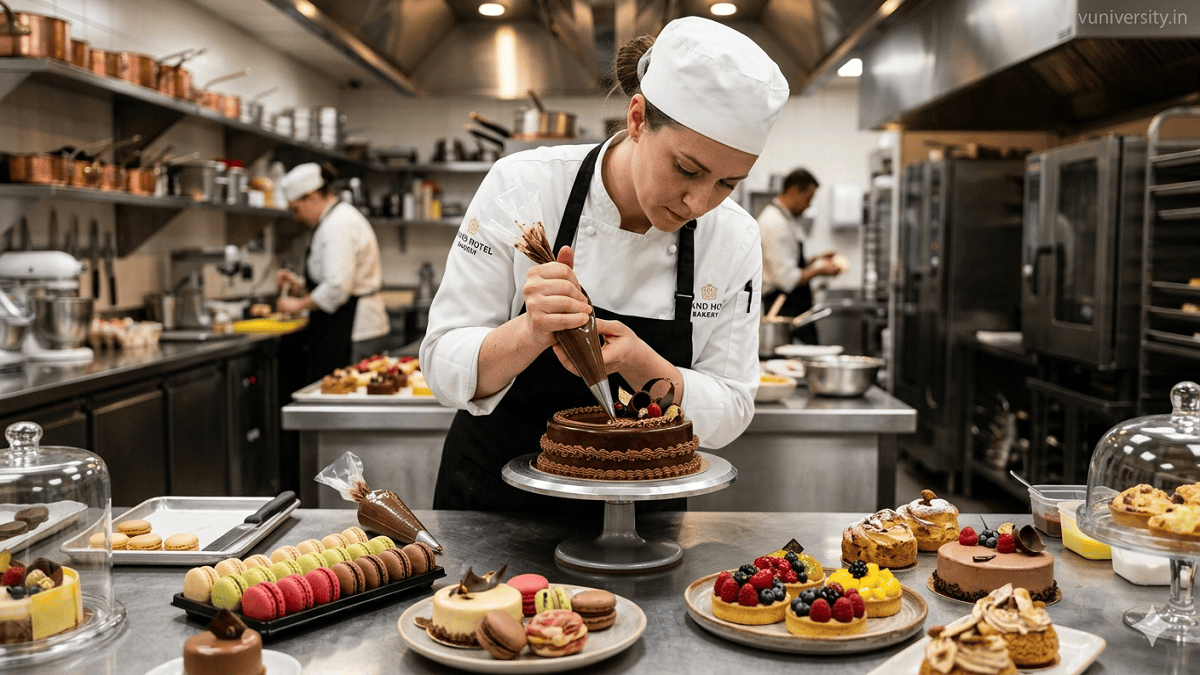
403 Food Production and Patisserie – III is an advanced hospitality and culinary studies course that focuses on professional food production, bakery operations, and patisserie techniques.
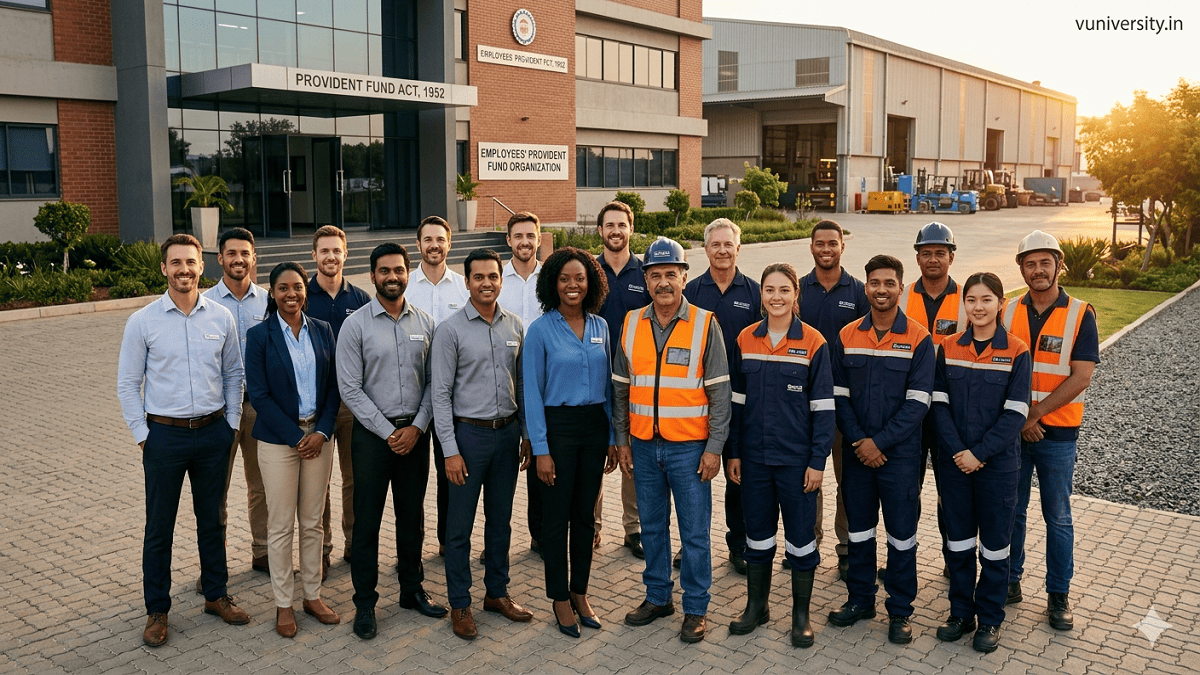
The Employees’ Provident Fund Act, 1952 is a landmark social security legislation in India designed to safeguard the financial future of employees working in establishments with 20 or more workers.
The Payment of Gratuity Act, 1972 is a foundational piece of social security legislation in India designed to provide financial security to employees at the end of their long-term tenure.
The Blueprint of Indian Labor Law: Enacted right on the brink of India's independence, the Industrial Disputes Act (IDA) of 1947 serves as the primary legal framework for maintaining industrial peace.
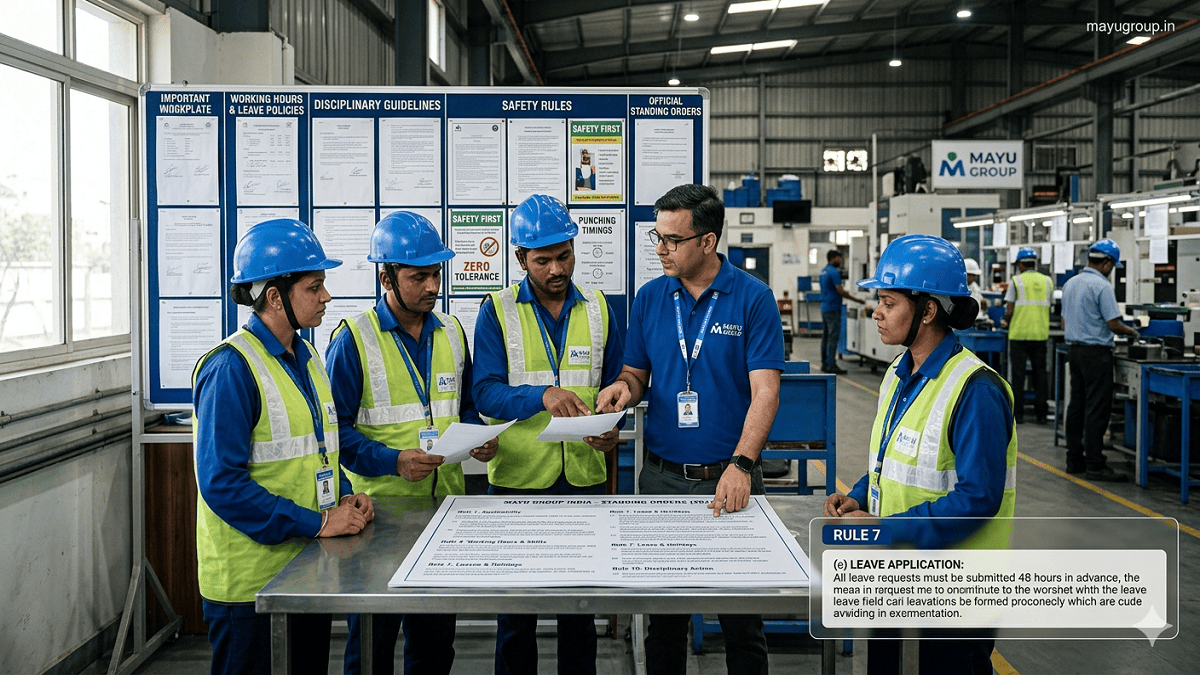
The Standing Orders Act 1946 establishes essential workplace rules that define discipline, employment conditions, and worker rights in industrial establishments. This framework ensures transparency in working hours.